Understanding Bed Sores Bed Air: A Crucial Step in Patient Care
Bed sores—also known as pressure ulcers—are more than just a patient discomfort; they’re a global health challenge that affects millions, especially in long-term care settings. Bed sores bed air solutions play a vital role in addressing this, offering a way to improve patient outcomes, reduce hospital stays, and even cut healthcare costs. But what are these bed air systems, and why should we care? We're about to unpack all that and more.
Global Context: Why Bed Sores Bed Air Matters Everywhere
Pressure ulcers impact roughly 10% of hospitalized patients worldwide, according to the World Health Organization. In aging populations—especially in countries like Japan, Germany, and the US—the numbers only climb. The UN’s recent reports on aging demographics highlight that as life expectancy rises, so does the risk of immobility-related complications, including bed sores. Here’s where bed air systems come in: they’re engineered to help prevent these wounds by improving pressure distribution during extended bed rest. For hospitals, nursing homes, and home care alike, these technologies are becoming essential.
Still, with all this demand, there’s a challenge to delivering effective, scalable solutions that also cater to different budgets and environments.
Mini takeaway: Globally, preventing pressure ulcers is a pressing issue—and bed air tech is a frontline defense.
What Exactly Are Bed Sores Bed Air Systems?
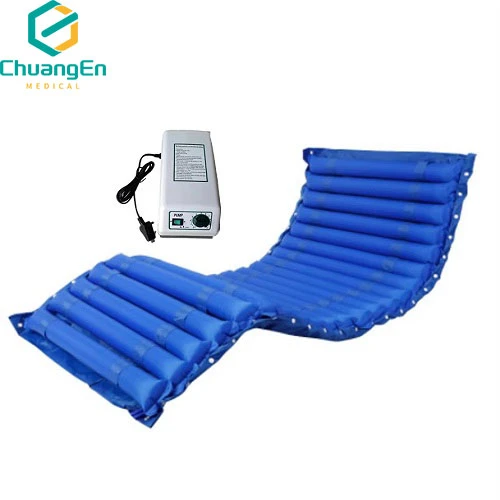
To keep it simple: bed sores bed air refers to specialized mattress systems designed to minimize pressure buildup on patients’ skin. They often use air-filled cells or chambers that cyclically inflate and deflate, redistributing weight and enhancing blood flow to vulnerable areas. Think of it as a gentle, automatic nudge that stops your body from pressing too hard on one spot for too long.
It’s not just a medical gadget — it’s a response to the needs of aging societies, post-operative care units, and even humanitarian scenarios where immobility is common.
Core Features to Know in Bed Sores Bed Air Solutions
1. Durability
Since these mattresses support people over weeks or months, materials have to withstand constant inflation cycles without wear. Manufacturers increasingly use medical-grade TPU-coated fabrics, which are waterproof yet breathable. In real terms, durability means less frequent replacements and lower total costs.
2. Pressure Redistribution
The heart of the system is how well it relieves pressure. Most units cycle air through multiple pockets, preventing prolonged pressure on any one area—often every 10 to 15 minutes. Many engineers say the timing of these cycles is critical; too fast or slow and effectiveness drops.
3. Portability and Setup
Hospitals and care homes appreciate units that are easy to install and transport. Lightweight pumps and foldable mattresses speed up deployment in emergency or home-care environments. Oddly enough, some bed air systems now operate via smart controls, syncing with patient monitoring devices.
4. Cost Efficiency
It’s not just about upfront price. Operators consider maintenance costs, energy consumption, and replacement parts. Affordable doesn’t have to mean cheap — the best options balance quality with budget, reducing long-term expenses.
5. Hygiene & Cleanability
Infection control is key in healthcare. Bed air mattresses are designed with surfaces that resist fluids and can be easily disinfected between patients, reducing infection risks.
| Feature | Specification |
|---|---|
| Material | TPU-coated nylon fabric |
| Air Cells | Alternating pressure chambers (20 cells) |
| Cycle Frequency | 10-15 minutes adjustable |
| Pump Noise Level | |
| Max Weight Capacity | Up to 250 kg (550 lbs) |
| Power Source | AC-powered with optional battery backup |
Real-World Uses: Where Bed Sores Bed Air Makes a Difference
From intensive care units in urban hospitals to makeshift clinics in disaster zones, bed sores bed air systems have proven vital. In Japan, where the elderly demographic is especially high, many nursing homes have integrated advanced bed air mattresses into daily care, reducing ulcer rates by roughly 40% in some cases. In Europe, some NGOs deploy lightweight transportable units in refugee camps, giving immobile patients a better chance despite tough conditions.
Similarly, many rehabilitation centers in North America rely on these mattresses to cut recuperation times after surgery. It’s kind of fascinating how a seemingly simple air mattress actually shifts patient care paradigms.
Why Choose Bed Sores Bed Air? Advantages That Last
- Cost-effective prevention: Avoid expensive wound treatments and surgeries by stopping ulcers before they start.
- Improved patient comfort: Patients report less soreness and better sleep.
- Supports dignity: Maintaining skin integrity means less embarrassment and greater independence.
- Reduced infection risk: Proper pressure distribution lowers skin breakdown, therefore reducing infections.
- Eco-conscious options: Newer models use energy-efficient pumps and recyclable materials.
What’s Next? Innovations Shaping the Future of Bed Sores Bed Air
Tech is moving fast. Smart mattresses that adjust pressure zones based on real-time sensor data are emerging. Some companies now integrate IoT platforms, allowing remote care teams to track patient conditions. Additionally, greener manufacturing processes and biodegradable materials are coming into play — partly due to ISO standards encouraging sustainability in medical manufacturing.
Common Challenges and How the Industry Responds
You might wonder about power outages or pump failures. Many hospitals have backup systems, but these remain a concern especially in remote or resource-limited areas. Engineers are tackling this with battery backups and manual inflation options.
Another challenge is ensuring patient compliance; beds with bed air systems can sometimes feel different, and patients may resist if not properly educated. That’s where caregiver training becomes a silent hero—education ensures that the technology actually delivers its promise.
| Vendor | Price Range | Unique Feature | Warranty |
|---|---|---|---|
| ChuangEn Medical | $600–$1200 | Smart pump with remote monitoring | 3 years |
| MedAir Solutions | $500–$1000 | Ultra-quiet pump tech | 2 years |
| CareSafe Systems | $700–$1300 | Eco-friendly recyclable materials | 3 years |
Frequently Asked Questions About Bed Sores Bed Air
Q1: How does a bed air mattress differ from a standard hospital mattress?
A bed air mattress actively inflates and deflates air chambers in cycles to redistribute pressure, while standard mattresses remain static. This dynamic pressure relief helps prevent skin breakdown over long periods of immobility.
Q2: Can bed air systems be used for home care patients?
Absolutely. Many models are designed for home use, offering easy setup and quiet operation. This helps caregivers manage pressure ulcer prevention effectively outside hospital settings.
Q3: Are bed air mattresses suitable for all patients?
While generally effective, some patients with specific medical conditions may require alternative solutions. It’s always best to consult healthcare professionals who can recommend what’s safest and most effective.
Q4: How often should the bed air mattress cycles be set?
The standard setting is typically 10 to 15 minutes per inflation/deflation cycle. However, many systems allow customization based on patient needs and clinical recommendations.
Q5: Is it difficult to clean and maintain these air mattresses?
Not at all. Most bed sores bed air systems feature waterproof, antimicrobial covers that can be wiped down easily. Regular maintenance of the pump is advised, but it’s generally straightforward.
Wrapping Up: Why Bed Sores Bed Air Is Worth Considering
When you think about the impact from multiple angles—patient comfort, healthcare costs, infection control—it’s clear that investing in bed sores bed air technology is a smart move. It’s not just about the device itself but the wider improvement in care quality and dignity for often vulnerable patients. For those interested, a good starting point is exploring products and innovations at reliable specialists like bed sores bed air providers, where you’ll find detailed guidance and support.
At the end of the day, good care is a mosaic made of many pieces—and bed air systems are often the unsung hero.
Mini takeaway: A proper bed air system can be a game changer in turning long-term immobility from a liability into a more manageable condition.