The Evolution and Impact of Advanced Mobility Solutions
In the rapidly evolving landscape of medical devices and assistive technology, the demand for sophisticated, portable, and reliable mobility solutions has surged. Among these, the electric foldable wheelchair stands out as a transformative innovation. Designed to empower individuals with limited mobility, these devices offer an unparalleled blend of independence, convenience, and safety. This article delves into the critical aspects of these advanced mobility aids, covering their technical intricacies, market dynamics, and operational benefits for B2B stakeholders in healthcare, rehabilitation, and personal care sectors.
Modern engineering principles, coupled with advancements in battery technology and lightweight materials, have redefined what is possible for users and caregivers alike. The focus is increasingly on user-centric design, ensuring not only functionality but also comfort and aesthetic appeal. For businesses, understanding the nuances of these devices, from their manufacturing process to their diverse application scenarios, is crucial for strategic procurement and deployment.
Industry Trends and Market Dynamics
The global market for mobility aids, particularly for foldable electric wheelchair models, is experiencing robust growth, driven by several macro-economic and demographic factors. According to recent market analyses, the assistive devices market is projected to reach significant valuation figures by the end of the decade, with electric wheelchairs forming a substantial segment. Key drivers include the aging global population, increased prevalence of chronic diseases and disabilities, rising disposable incomes in emerging economies, and technological advancements enhancing product efficacy and user experience.
- Demographic Shift: The geriatric population (65+) is expanding rapidly worldwide, increasing the demand for reliable mobility solutions.
- Technological Innovation: Continuous improvements in battery life (e.g., advanced lithium-ion chemistries), motor efficiency (brushless DC motors), material science (aerospace-grade aluminum alloys, carbon fiber composites), and smart features (joystick controls, remote operation, app connectivity) are enhancing product appeal.
- Regulatory Support: Government initiatives and reimbursement policies in many regions support the adoption of medical mobility devices, making them more accessible.
- Miniaturization and Portability: There's a strong trend towards more compact and lightweight designs, making it easier for users to transport their lightweight foldable electric wheelchair in vehicles or during air travel.
The emphasis on personal independence and improved quality of life also fuels demand. Healthcare providers, rehabilitation centers, and travel agencies are increasingly recognizing the value of these portable mobility solutions for their clients, leading to a surge in electric wheelchair sales within institutional procurement.
Manufacturing Process: Precision and Quality Assurance
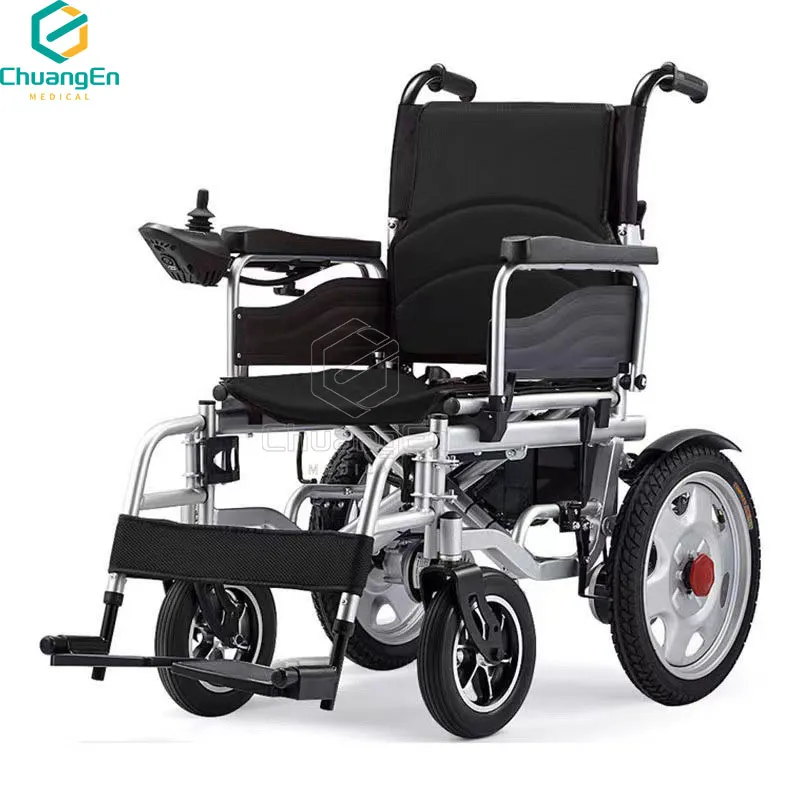
The production of a high-quality electric wheelchar is a meticulous process demanding precision engineering, advanced material science, and rigorous quality control. It encompasses several stages, ensuring the final product meets stringent performance, safety, and durability standards.
Manufacturing Process Flow of Advanced Electric Wheelchairs
- Design & Prototyping: Initial CAD modeling, stress analysis, and ergonomic design using specialized software. Materials like aerospace-grade aluminum alloys (e.g., 6061 T6) for lightweight strength and high-strength steel for critical structural components are selected.
- Material Sourcing & Preparation: Acquisition of certified raw materials. Aluminum extrusion and forging for frame components, high-grade plastics (ABS, PC) for casings, and medical-grade fabrics for seating.
-
Component Fabrication:
- CNC Machining: Precision cutting and shaping of metal components for axle housings, joint mechanisms, and motor mounts.
- Stamping & Forming: Creation of specific frame parts and brackets.
- Welding: Robotic or skilled manual TIG/MIG welding for frame assembly, ensuring structural integrity and corrosion resistance.
- Surface Treatment: Anodizing for aluminum parts to enhance corrosion resistance and aesthetics, powder coating for steel components for durability.
- Electronics Assembly: Integration of brushless DC motors, lithium-ion battery packs with Battery Management Systems (BMS), sophisticated controllers, and joystick units. All components undergo individual functional testing.
- Final Assembly: Mating of mechanical frame, electronic components, seating, wheels, and control systems. This stage often involves sub-assembly lines to ensure efficiency and quality.
-
Testing & Quality Control:
- Functional Tests: Speed, range, braking, motor performance, folding mechanism.
- Load & Durability Tests: Static and dynamic load bearing, fatigue testing.
- Environmental Tests: Temperature, humidity, vibration.
- Safety Standards Compliance: Adherence to ISO 13485 (Medical Devices Quality Management), ANSI/RESNA WC-2 (Wheelchair Standards), and FDA regulations (for sales in the USA).
- Packaging & Distribution: Secure packaging to prevent damage during transit, ready for distribution to target industries such as healthcare facilities, rehabilitation centers, and directly to consumers.
The emphasis on robust materials like aircraft-grade aluminum ensures a service life often exceeding 5-7 years with proper maintenance, significantly benefiting institutions through reduced replacement costs. The energy-saving aspects of modern brushless motors further reduce operational costs, making an electric wheelchair a sustainable investment.
Technical Specifications and Parameters: The CLD-01 Standard
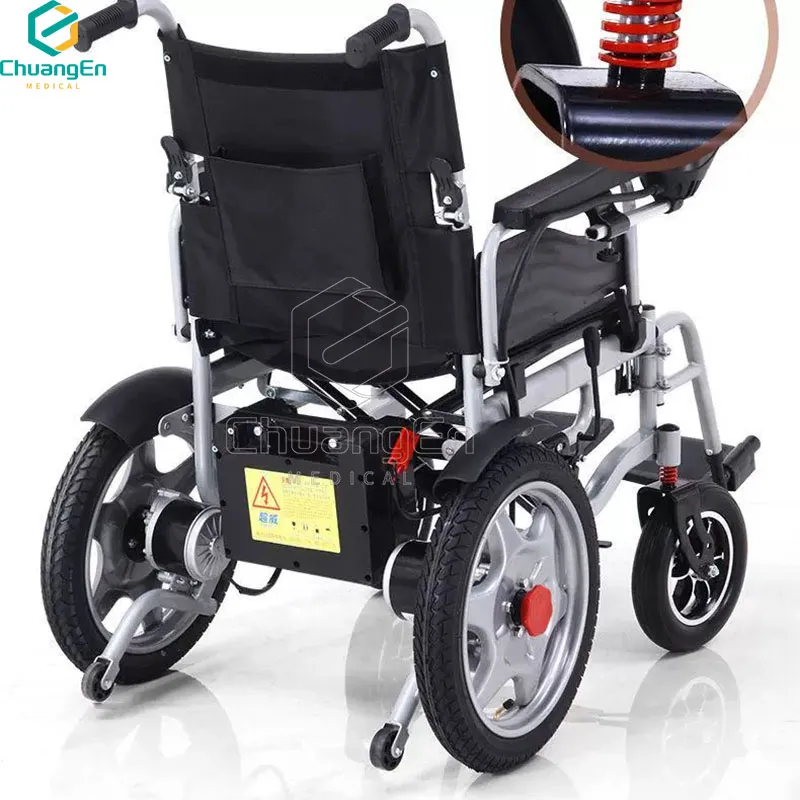
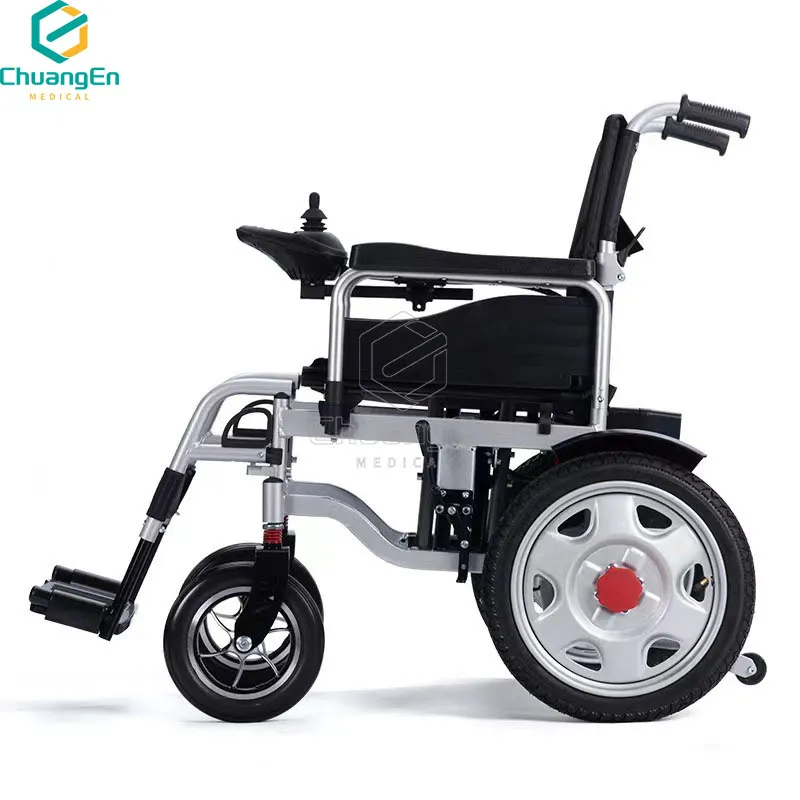
Understanding the detailed technical specifications is paramount for B2B buyers evaluating electrical wheelchair solutions. These parameters dictate performance, suitability for various users, and long-term cost of ownership. The CLD-01 Foldable Electric Power Wheelchair For The Elderly (16 Inch) exemplifies a robust offering in this segment.
| Parameter | Specification (CLD-01, 16 Inch) |
|---|---|
| Product Name | CLD-01 Foldable Electric Power Wheelchair For The Elderly |
| Seat Width | 16 inches (40 cm) |
| Motor Type | 2 x 250W Brushless DC Motors (Total 500W) |
| Battery | 24V 12AH Lithium-ion Battery |
| Max Speed | 6 km/h (approx. 3.7 mph) |
| Range per Charge | Up to 20 km (approx. 12.4 miles) |
| Weight Capacity | 120 kg (approx. 265 lbs) |
| Net Weight (with battery) | 28 kg (approx. 61.7 lbs) |
| Folding Dimensions (L x W x H) | 80 cm x 60 cm x 35 cm (approx. 31.5" x 23.6" x 13.8") |
| Unfolded Dimensions (L x W x H) | 105 cm x 60 cm x 90 cm (approx. 41.3" x 23.6" x 35.4") |
| Frame Material | High-Strength Aluminum Alloy |
| Tires | Solid puncture-proof front and rear tires |
| Braking System | Electromagnetic Brake System |
| Certifications | CE, ISO 13485 |
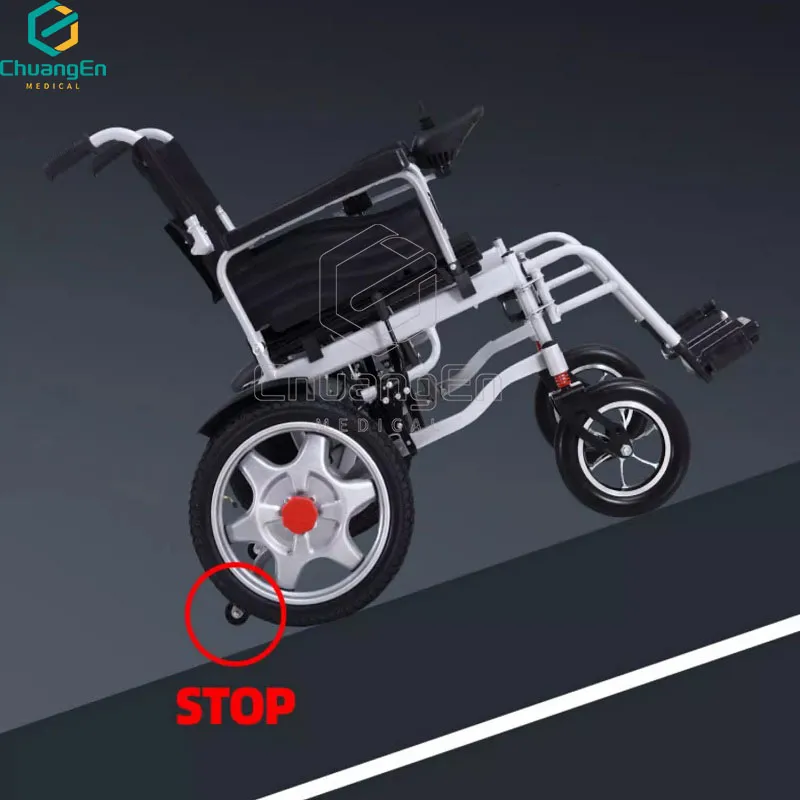
These specifications highlight features crucial for B2B applications: lightweight design for easy transport by caregivers, robust weight capacity for diverse user populations, and a dependable range for extended use in various settings. The electromagnetic braking system ensures immediate stopping and enhances user safety, especially on inclines.
Application Scenarios and Practical Advantages
The versatility of a modern electric foldable wheelchair extends its utility across numerous sectors, proving invaluable for institutions and individual users alike. Its design specifically addresses common challenges faced by mobility-impaired individuals and their support networks.
- Healthcare Facilities: Hospitals, clinics, and rehabilitation centers utilize these chairs for patient transport, especially where space is limited or rapid movement between departments is required. Their ease of cleaning and robust construction are essential for infection control and heavy-duty use.
- Home Care Services: For home care agencies, providing clients with a compact and reliable electric push wheelchair significantly enhances independence within their homes and during outdoor excursions, reducing caregiver strain.
- Travel & Tourism: Airports, cruise lines, and accessible tourism operators find these wheelchairs ideal due to their easy foldability and compliance with transport regulations, offering seamless travel experiences for clients.
- Retail & Commercial Spaces: Large shopping malls, convention centers, and entertainment venues can offer these as a premium service, improving accessibility and customer experience for visitors with mobility challenges.
- Rehabilitation and Therapy: Therapists can integrate these chairs into mobility training programs, allowing patients to regain confidence and motor skills in a controlled yet practical environment.
Beyond these, the advantages of a modern foldable electric wheelchair are clear:
- Enhanced Independence: Users can navigate diverse terrains and environments without assistance, fostering self-reliance.
- Superior Portability: The ability to fold into a compact size allows for easy storage and transportation, eliminating the logistical challenges of traditional rigid wheelchairs.
- Durability & Low Maintenance: Constructed from high-strength materials, these chairs are built to withstand daily use, requiring minimal maintenance thanks to efficient brushless motors and puncture-proof tires.
- Safety Features: Equipped with anti-tip wheels, intelligent controllers, and electromagnetic brakes, user safety is paramount across all operational conditions.
Vendor Comparison: Key Differentiators
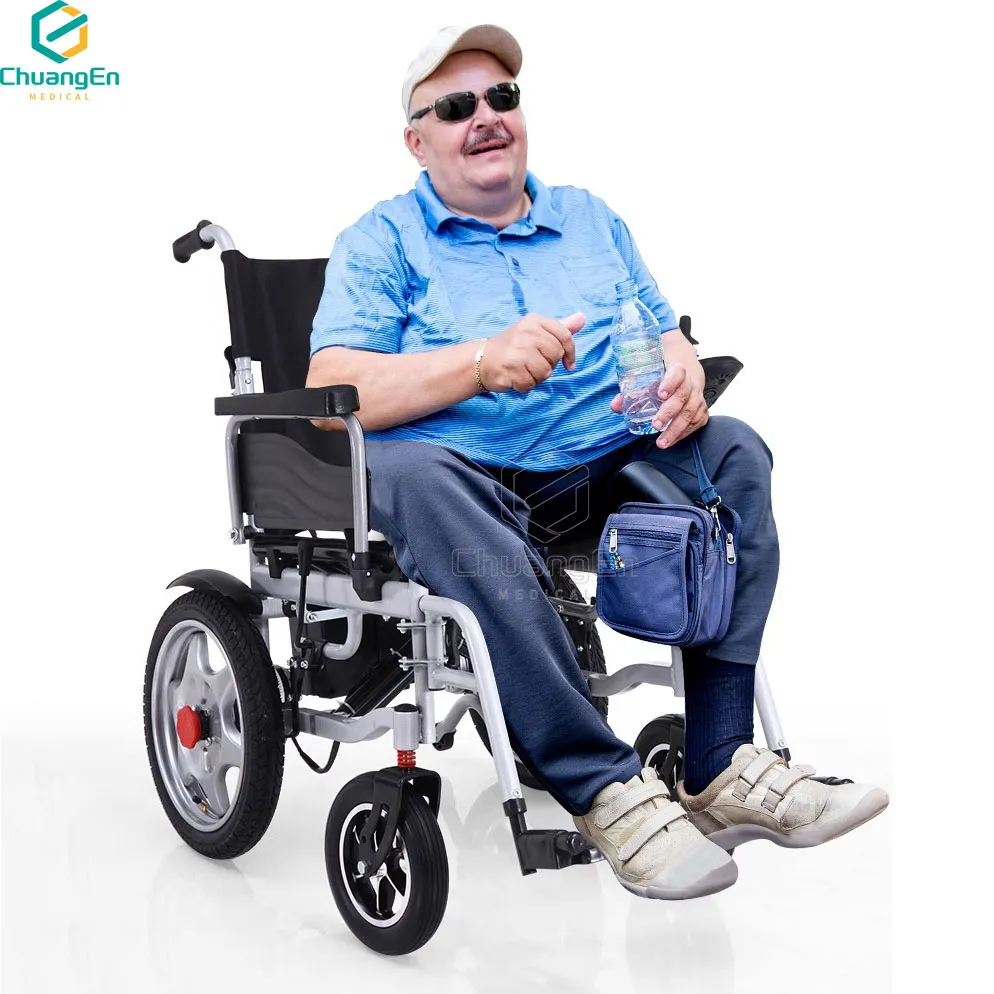
When evaluating suppliers for an electric wheelchair cost-effective and high-performing solution, B2B purchasers must consider a range of factors beyond just the initial price. The total cost of ownership, including maintenance, spare parts availability, and after-sales support, plays a significant role.
| Feature/Criterion | High-End/Specialized Models | Standard/Mid-Range (e.g., CLD-01) | Budget-Friendly Options |
|---|---|---|---|
| Frame Material | Carbon Fiber, Aerospace-grade Aluminum | High-Strength Aluminum Alloy | Steel, Basic Aluminum |
| Motor Power & Type | Dual High-Torque Brushless (300W+ each) | Dual Brushless (250W each) | Brushed DC Motors (often lower wattage) |
| Battery Capacity & Type | High-capacity Lithium (20AH+) | Standard Lithium (12-15AH) | Lower Capacity Lithium or Lead-Acid |
| Max Range | 30-40+ km | 15-25 km | 10-15 km |
| Net Weight | < 25 kg | 25-35 kg | > 35 kg |
| Advanced Features | App control, GPS, variable suspension, custom seating | Intelligent joystick, anti-tip, electromagnetic brakes | Basic joystick, manual fold |
| Certifications | FDA, CE, ISO, TUV | CE, ISO | Basic safety, local certifications |
| Warranty & Support | Extensive, global network | Standard (1-2 years), regional support | Limited, direct from reseller |
The CLD-01 positions itself as a strong contender in the standard/mid-range segment, offering a compelling balance of performance, features, and regulatory compliance (CE, ISO 13485) that make it ideal for B2B procurement focused on reliability and value. When considering to sale electric wheelchair solutions, focusing on these specific advantages can resonate deeply with institutional clients.
Customized Solutions and Case Studies
While standard models like the CLD-01 cater to a broad user base, the ability to provide customized solutions is a key differentiator for suppliers targeting specialized B2B needs. This can range from minor adjustments to significant modifications.
- Seating & Ergonomics: Custom seat widths, depths, and backrest angles, along with specialized cushions for pressure relief, can be tailored for users with specific medical conditions.
- Control Systems: Modifications to joystick types (e.g., attendant control, chin control, sip-and-puff) to accommodate varying levels of motor skill.
- Accessories: Integration of specialized trays, oxygen tank holders, IV pole attachments, or communication device mounts for clinical environments.
- Branding & Aesthetics: Custom color schemes or institutional branding for fleet purchases.
Application Case Study: Rehabilitation Center Fleet Deployment
A major rehabilitation hospital chain in North America faced challenges with its aging fleet of traditional wheelchairs. They needed a solution that was easy to transport for patient outings, required minimal maintenance, and could be stored compactly. After a detailed tender process, they selected a fleet of 50 CLD-01 foldable electric wheelchair units, customized with slightly wider seats for bariatric patients and integrated attendant control systems.
Outcome: The hospital reported a 30% increase in patient participation in outdoor therapy sessions due to the ease of transport and extended range. Maintenance costs decreased by 15% annually compared to their previous fleet, attributed to the durable brushless motors and robust frame construction. Caregiver feedback highlighted the significant reduction in physical strain, emphasizing the chairs' lightweight and intuitive folding mechanism. This successful deployment led to a follow-up order for additional units and praise for the supplier's ability to sell electric wheelchair solutions that directly address operational needs.
Trustworthiness and Support: Guaranteeing Long-Term Value
For B2B clients, the reliability of a supplier extends beyond product specifications to encompass crucial aspects like after-sales support, warranty, and logistics. These factors underpin the long-term value and operational efficiency of any electric foldable wheelchair investment.
Frequently Asked Questions (FAQ)
Q: What is the typical lead time for bulk orders?
A: For standard models like the CLD-01, lead times generally range from 2-4 weeks for orders up to 100 units, depending on current stock and customization requirements. Expedited options are available upon request.
Q: What warranty is provided for your electric wheelchairs?
A: We offer a comprehensive 2-year warranty on the frame, 1-year on motors and controller, and 6-months on batteries. Extended warranty options are available for institutional clients. Our products hold CE and ISO 13485 certifications, reflecting our commitment to quality.
Q: How do you handle after-sales support and spare parts?
A: Our dedicated customer support team provides technical assistance and troubleshooting. We maintain a robust inventory of spare parts, ensuring prompt availability for repairs and maintenance. We also offer training for client's technical staff on basic maintenance and repair procedures.
Q: Are your electric wheelchairs compliant with international air travel regulations?
A: Yes, the lithium-ion batteries used in our wheelchairs (e.g., 24V 12AH) typically fall within the allowed limits for air travel when properly stored and declared. However, it is always recommended for users to check with their specific airline prior to travel.
Lead Time and Fulfillment
We understand the critical importance of timely delivery for B2B operations. Our supply chain is optimized for efficiency, ensuring reliable fulfillment. For large orders, a dedicated account manager will provide detailed production schedules and logistics updates, including options for sea or air freight to meet specific deadlines.
Warranty and Customer Support
Our commitment to quality is backed by robust warranty policies and comprehensive after-sales support. This includes technical assistance, access to certified spare parts, and, for key institutional partners, on-site training or service agreements. Our global network of service partners further ensures that support is accessible, wherever our products are deployed.
Conclusion: Empowering Mobility, Driving Innovation
The continuous innovation in the design and manufacturing of the electric foldable wheelchair marks a significant milestone in assistive technology. These devices are not merely tools; they are enablers of independence, facilitating greater participation in daily life for countless individuals. For B2B stakeholders, investing in high-quality, technically advanced, and reliably supported models like the CLD-01 translates into enhanced client satisfaction, operational efficiency, and a demonstrable commitment to superior care. As technology continues to advance, the future promises even more sophisticated and user-friendly solutions, further solidifying the role of these wheelchairs as essential components of modern mobility.
References
- World Health Organization. (2023). Global Report on Assistive Technology. Retrieved from https://www.who.int/publications/i/item/9789240063991
- ISO 13485:2016 Medical devices — Quality management systems — Requirements for regulatory purposes. International Organization for Standardization.
- ANSI/RESNA WC-2: Section 8 - Requirements for Wheelchairs and Scooters (including Evacuation Systems). Rehabilitation Engineering and Assistive Technology Society of North America.
- Grand View Research. (2023). Electric Wheelchair Market Size, Share & Trends Analysis Report. Retrieved from https://www.grandviewresearch.com/industry-analysis/electric-wheelchair-market