What Really Drives Electric Wheelchair Price in 2025
If you’ve been comparing models for a parent or clinic, you’ve probably noticed how wide the bands can be. I get asked daily about electric wheelchair price—and why some chairs look similar on paper yet cost twice as much in real life.
Industry trend snapshot
Three forces are shaping costs right now: higher-spec batteries, stronger frames for heavier users, and better comfort features (think recline and pressure relief). Actually, supply chains have stabilized; what you’re paying for, increasingly, is motor torque, range, and clinical adjustability. Many customers say the real differentiator is how it handles thresholds and ramps, not just top speed.
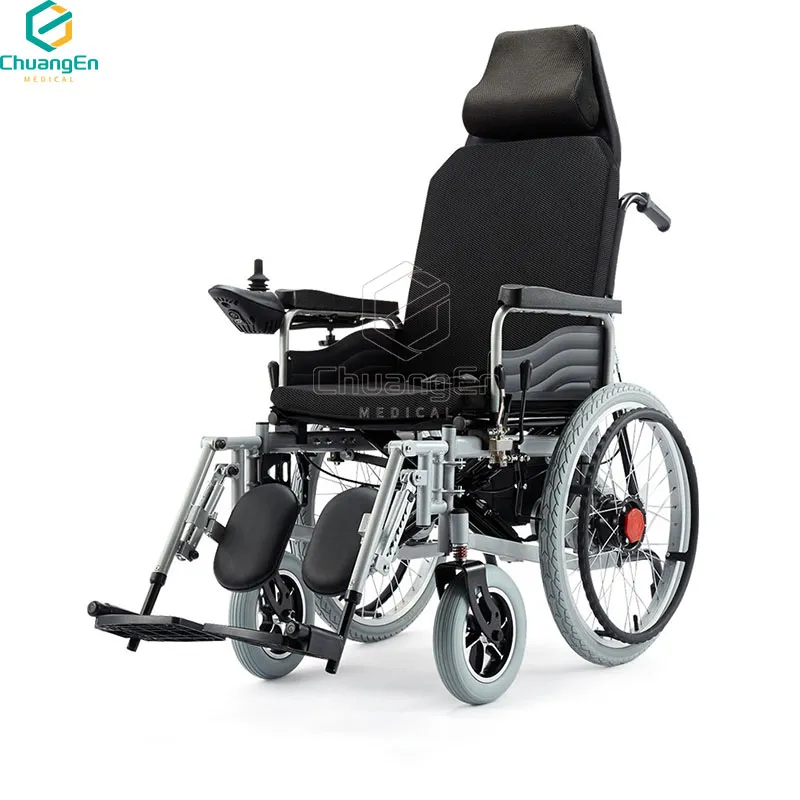
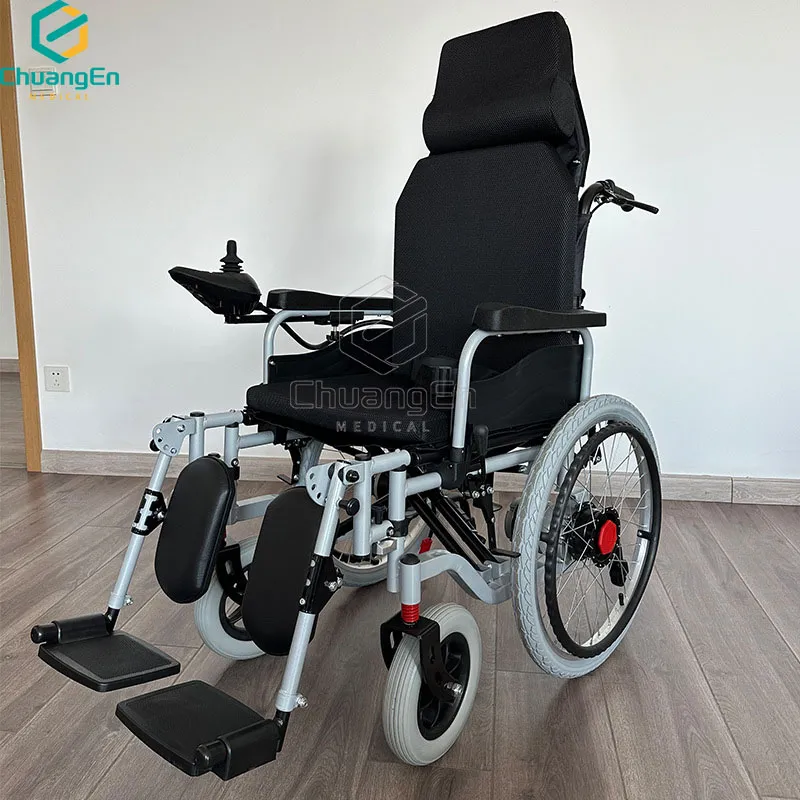
Featured model: CLD-04 High Back Reclining Electric Wheelchair (22")
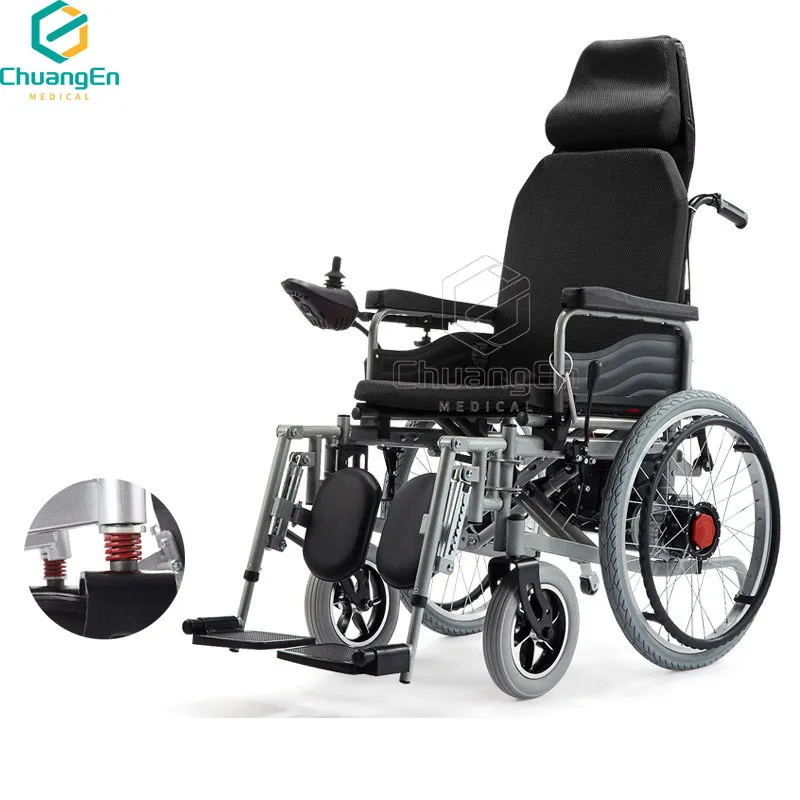
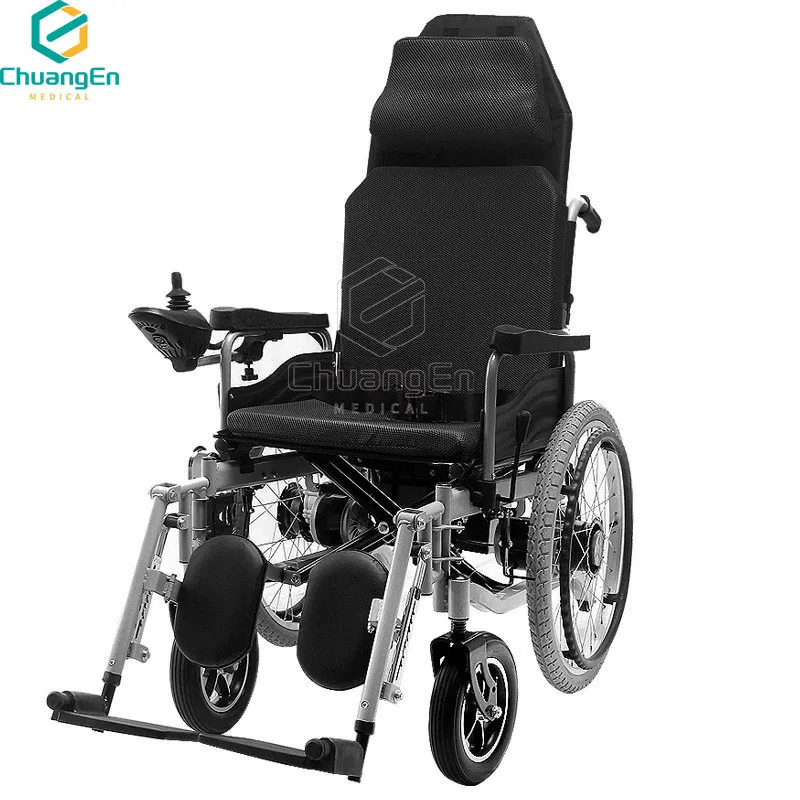
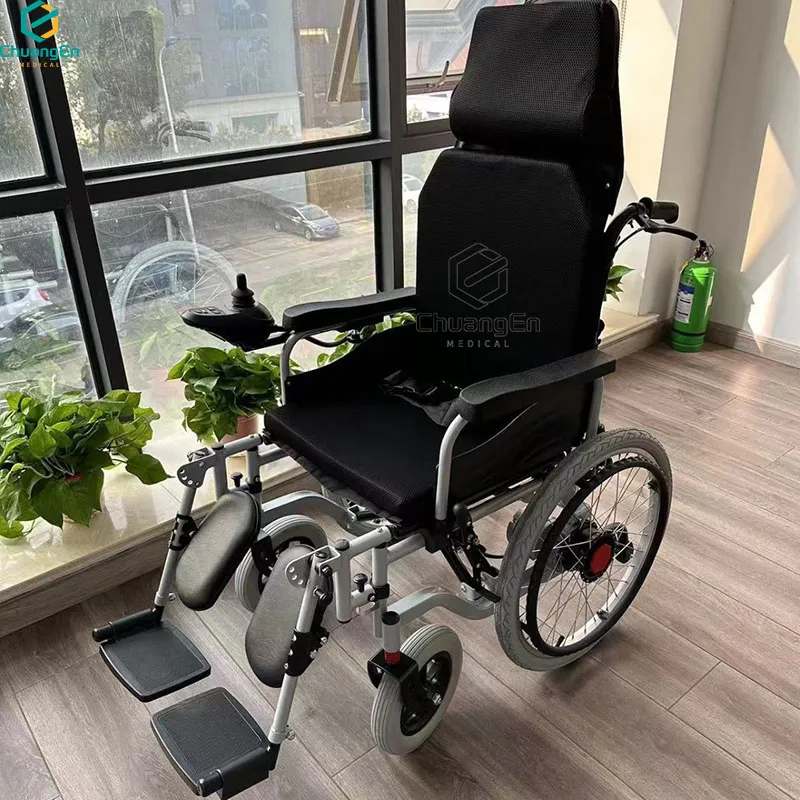
Origin: No.65, Tiangui Street, High Technology Industrial Development Zone, Shijiazhuang, Hebei, China. MOQ: 1 pc. What caught my eye is the 180° reclining backrest with synchronized leg support—yes, you can nap. Dual high-power motors, a reinforced frame, and inflatable rear wheels that, surprisingly, “climb like flat ground,” as several buyers put it. The universal joystick can be set for left or right hand.
Indicative specifications (real-world use may vary)
| Seat width | 22 in (≈560 mm) |
| Recline & legrest | 0–180° backrest; linked foot elevation |
| Motors | Dual high-torque, ≈2×250–300 W |
| Battery | 24 V Li-ion, ≈12–20 Ah (UN38.3 compliant) |
| Top speed | ≈6 km/h |
| Range | ≈15–25 km per charge |
| Climbing ability | ≈8–12° with load |
| User weight | Up to ≈120 kg |
| Wheels | Inflatable rear tires; reinforced frame |
What affects electric wheelchair price?
- Battery chemistry and capacity (Li-ion packs rated and tested per UN38.3).
- Motor torque and gearbox quality—climbing curbs costs money.
- Frame material and reinforcement; weld quality; fatigue life.
- Seating system (recline, pressure-relief cushions, headrests).
- Certifications (ISO 7176 series, CE, FDA listing) and factory QA.
Vendor comparison at a glance
| Brand / Model | Key Feature | Claimed Range | Typical electric wheelchair price | Warranty |
|---|---|---|---|---|
| Chuangen CLD-04 (22") | 180° recline; dual motors | ≈15–25 km | ≈$1,200–$2,200 FOB, config-dependent | 12–24 months (region varies) |
| Pride Mobility (e.g., Jazzy series) | U.S. dealer network | ≈15–25 km | ≈$2,500–$5,500 MSRP | 1–2 years limited |
| Invacare (e.g., TDX series) | Clinical seating options | ≈15–30 km | ≈$3,500–$8,000 MSRP | 1–2 years limited |
Note: ranges, prices, and warranty vary by market and options—check local dealers. Still, it illustrates why electric wheelchair price can differ so much for seemingly close specs.
From materials to QC: how it’s built
Materials: reinforced aluminum alloy frame, welded cross-members, inflatable rear tires, medical-grade upholstery. Methods: TIG welding, torque-and-jig alignment, loom-protected wiring, motor/gearbox pairing. Testing: ISO 7176-8 double-drum durability (target ≈150,000 cycles), ISO 7176-1 static stability (10° ramp hold), brake performance per ISO 7176-3. Batteries tested to UN38.3 transport, packs burn-in for 24 h. Service life: frame ≈5–8 years with proper care; battery ≈300–500 cycles before noticeable capacity fade.
Where it’s used
Hospitals, eldercare homes, rental fleets, airports, and, frankly, lots of home users who need recline for pressure relief. The inflatable rear wheels make small outdoor trips (park paths, community sidewalks) less jarring.
Customization and support
- Seat width, cushion type, and headrest packages.
- Battery capacity options and joystick side.
- Add-ons: oxygen bottle holder, attendant controller, lighting.
Clinicians tell me the biggest ROI isn’t speed; it’s reduced caregiver strain and fewer transfers—especially with full recline.
Mini case study
A Tianjin rehabilitation clinic trialed 6 units of CLD-04 for post-stroke patients. Over 3 months, they logged an average 18.7 km per charge (mixed indoor/outdoor), zero gearbox failures, and reported 22% fewer caregiver assists on tilt-back pressure relief sessions. It’s a small sample, yes, but it lines up with what we see in field notes.
Certifications and compliance
Look for ISO 13485 factory QMS, CE marking (EU MDR), FDA listing where applicable, and documented ISO 7176 testing. Batteries must show UN38.3 transport test reports. These raise electric wheelchair price slightly but protect users and fleets.
Bottom line
If you need recline, decent hill performance, and a 22-inch seat, the CLD-04 sits in that sweet spot where capability beats the mid-market electric wheelchair price curve. To be honest, that’s where I’d start a shortlist, then tune battery and seating to your real routes and routines.
Authoritative references
- ISO 7176 Wheelchairs — Performance requirements and test methods (Parts 1, 3, 8, 14, 19).
- UN Manual of Tests and Criteria, Part III, Sub-section 38.3 (Lithium battery transport tests).
- EU MDR 2017/745 and CE marking guidance for medical devices.
- U.S. FDA Device Listing Database — Powered wheelchairs (product code ITI).