Understanding the Electric Wheelchair with Elevated Leg Rest: Empowering Mobility Worldwide
Electric wheelchairs equipped with an elevated leg rest might sound like a niche or luxury item, but their impact resonates deeply across healthcare and accessibility landscapes worldwide. They don’t just offer mobility—they restore dignity, comfort, and independence for millions who face mobility challenges.
Globally, estimates suggest over 65 million people use wheelchairs, with a growing elderly population and increased chronic conditions driving demand for smarter mobility aids. An electric wheelchair with elevated leg rest addresses both therapeutic and practical needs—not just transport, but posture, pressure relief, and personalized comfort. Frankly, understanding this technology isn’t just about gadgets; it’s about unlocking quality of life on a global scale.
Introduction: The Global Context
Mobility aids like electric wheelchairs have steadily evolved as a critical aspect of modern healthcare and social inclusion. According to the World Health Organization, approximately 15% of the world's population experience some form of disability, with mobility impairments prominent among them. With urbanization and aging populations increasing worldwide, especially in countries with developing healthcare infrastructure, the demand for advanced wheelchairs has soared.
But here’s the catch: many electric wheelchairs lack the feature that makes a dramatic difference for users who need to rest their legs elevated—from those recovering from leg surgeries to individuals with circulatory or pressure-related issues. The elevated leg rest is crucial, yet surprisingly absent in many basic models. This gap highlights where our main keyword—electric wheelchair with elevated leg rest—steps in to improve lives.
Definition & Meaning
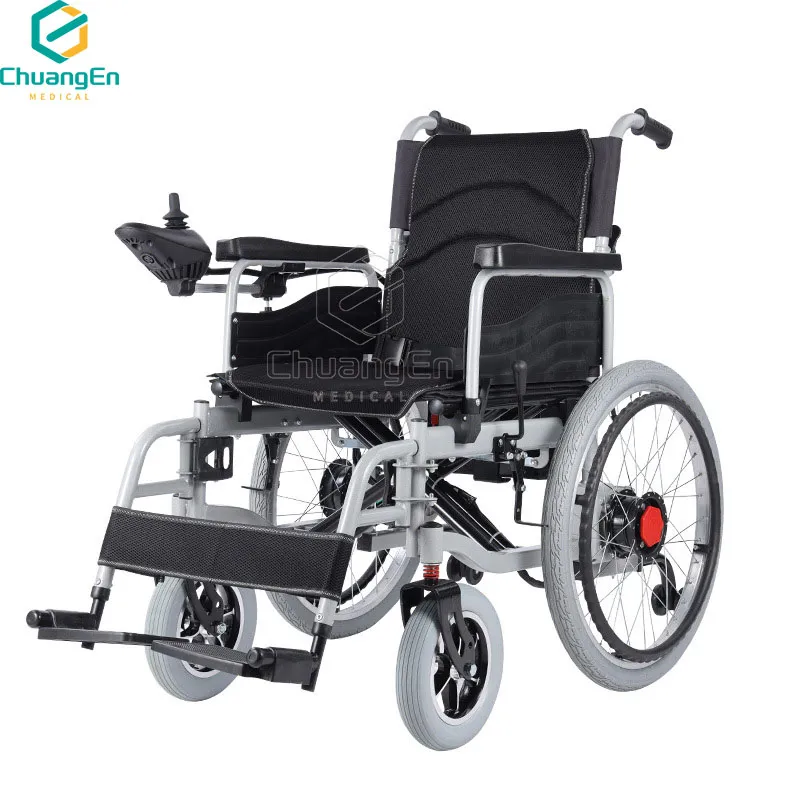
So, what exactly is an electric wheelchair with elevated leg rest? Put simply, it’s a motorized mobility chair that includes an adjustable leg support platform that can raise the legs above heart level. This feature helps reduce swelling, improves circulation, and prevents pressure sores. In modern medical and humanitarian fields, it bridges technology with ergonomic therapy.
These wheelchairs are particularly valuable for healthcare settings, rehabilitation centers, and everyday personal use, blending the convenience of motorized transport with therapeutic support. Oddly enough, they’re more than just equipment; they’re mobile wellness stations.
Key Factors of Electric Wheelchairs with Elevated Leg Rest
1. Durability and Build Quality
Often made of aluminum or carbon steel, these wheelchairs need to be both strong and lightweight. The elevated leg rest mechanism must withstand daily adjustments without wearing out. Many manufacturers test via ISO 7176 standards to ensure safety and robustness.
2. Comfort and Adjustability
The elevated leg rests come with multiple angle settings to accommodate different medical needs. Cushioned supports and breathable fabrics enhance user comfort.
3. Battery Life and Range
Since these are electric, battery longevity is vital. On average, models range between 10 to 25 miles per charge, depending on terrain and user weight.
4. Control Systems and Accessibility
Joystick controls remain standard, but emerging models offer smartphone integration, voice command, or tactile buttons suited for various disabilities.
5. Portability and Transport
Folding or detachable components allow easier transportation in vehicles, an essential feature for users with active lifestyles.
Product Specification Table
| Feature | Typical Range | Notes |
|---|---|---|
| Weight Capacity | 250-350 lbs (113-159 kg) | Standard for durability |
| Elevation Angle | Up to 60° | Adjustable for comfort |
| Battery Life | 15-25 miles (24-40 km) | Varies by model & terrain |
| Speed | 4-6 mph (6-10 km/h) | Safe for controlled indoor/outdoor use |
| Control System | Joystick, optional voice control | Accessible interfaces |
Global Applications & Use Cases
It’s interesting how this technology crosses borders and sectors. In developed countries, electric wheelchairs with elevated leg rests support aging populations and post-operative care. In developing regions, NGOs and humanitarian organizations deploy them in rehabilitation after conflicts or natural disasters.
For example, in Japan's earthquake relief efforts, elevated leg rests helped patients reduce circulation problems when healthcare access was strained. In industrial zones of South Africa, workers recovering from injuries benefit from customizable electric wheelchairs that include these features, facilitating faster resumption of daily activities.
Hospitals, nursing homes, and even private individuals increasingly integrate these wheelchairs into daily life — and you might even see them in airports or public transit systems focused on accessibility.
Vendor Comparison Table
| Brand | Price Range | Battery Range | Leg Rest Elevation Angles | Unique Features |
|---|---|---|---|---|
| MobilityPlus | $3,200–$4,000 | 20 miles | Up to 60° | Custom cushion options |
| ElevateChair | $4,500–$5,200 | 18 miles | Up to 55° | Smartphone app control |
| FreedomRider | $2,800–$3,600 | 22 miles | Up to 50° | Lightweight foldable frame |
Advantages & Long-Term Value
There’s more than meets the eye here. Beyond straightforward mobility, elevated leg rests offer critical health benefits by reducing swelling and pressure points. Users often report improved comfort during long durations and a stronger sense of autonomy.
Financially, investing in a quality electric wheelchair with elevated leg rest can reduce healthcare costs by preventing secondary complications like ulcers. Socially, this technology fosters dignity and independence. Plus, the environmental push towards rechargeable electric devices marks a sustainable step in mobility aids.
Future Trends & Innovations
Looking ahead, this niche is ripe for innovation. Advances in lightweight, recyclable materials like graphene composites may soon make these chairs even more durable and eco-friendly. Battery tech improvements inspired by electric vehicles could extend range and safety dramatically.
We’re also seeing AI-powered control systems improving user experience, with smart sensors that adjust the leg rest or warn of unsafe postures automatically. For the environmentally conscious, solar-powered charging options and modular designs to ease repairs are beginning to enter the market.
Challenges & Solutions
Despite all the progress, challenges remain. A common one is affordability and accessibility, especially in low-income countries. Transportation bulkiness and maintenance are issues, too. However, community-driven rental programs and partnerships with NGOs help bridge these gaps.
On a technical front, manufacturers are addressing leg rest durability by incorporating stronger, corrosion-resistant materials and smoother actuators. Open-source software for control systems also invites customization and lowers costs.
FAQ: Frequently Asked Questions About Electric Wheelchair with Elevated Leg Rest
- Q: How does the elevated leg rest benefit wheelchair users?
A: Elevating the legs reduces swelling, improves blood flow, and relieves pressure on sensitive areas, which is vital especially for people with circulatory or post-surgery needs. - Q: Can these wheelchairs be used outdoors?
A: Yes, most electric wheelchairs with elevated leg rests are designed for indoor and outdoor use, with durable tires and sufficient battery range to handle sidewalks and light rough terrain. - Q: What maintenance is needed for the leg rest mechanism?
A: Regular cleaning and lubricating of moving parts, checking for loose bolts, and ensuring actuator motors function smoothly are key maintenance steps. - Q: Are these electric wheelchairs customizable?
A: Absolutely. Many models offer customizable cushions, adjustable controls, and optional tech integrations like smartphone apps or voice commands to suit various needs. - Q: How do I choose the right model?
A: Consider weight limits, battery life, adjustability of the elevated leg rest, and control options. Consulting a healthcare professional or mobility specialist is recommended.
Conclusion + Call to Action
Electric wheelchairs with elevated leg rests represent a pivotal step forward in mobility aids, blending comfort, health benefits, and technological innovation. They enable millions to move with more ease, maintain better health, and enjoy greater independence.
If you or a loved one need a reliable, comfortable electric wheelchair that values your well-being, explore the latest models and options at electric wheelchair with elevated leg rest. Because mobility isn’t just movement—it’s a foundation of quality life.
Mini takeaway: The electric wheelchair with elevated leg rest is not just a mobility device but a vital wellness tool advancing comfort and independence globally.