The Evolution of Mobility: Understanding the Reclining Electric Wheelchair
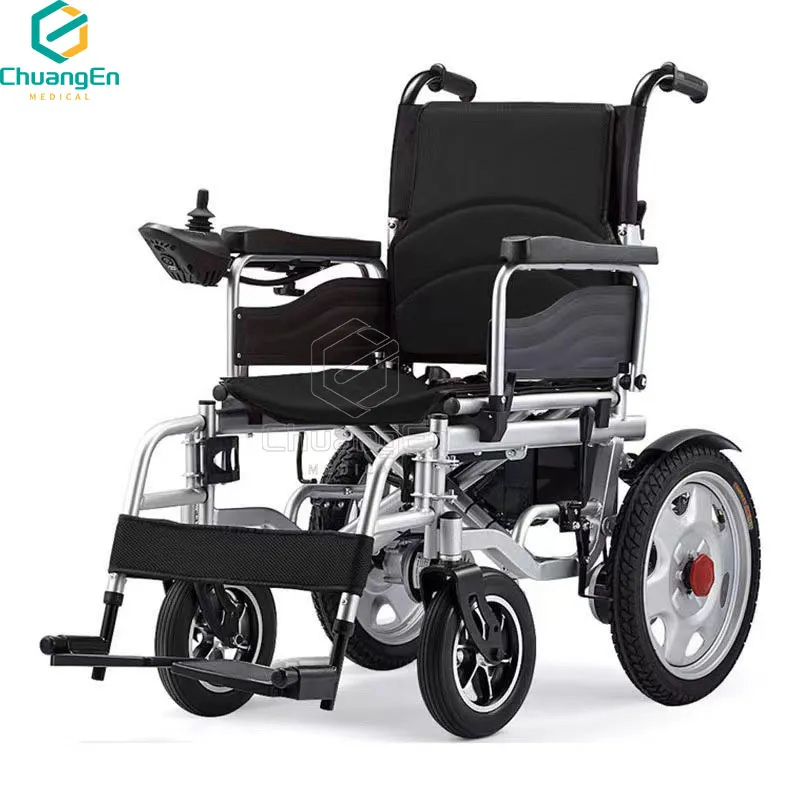
In the dynamic landscape of personal mobility solutions, the advent of the reclining electric wheelchair marks a significant leap forward in user comfort, health, and independence. Unlike conventional wheelchairs, these advanced devices offer variable recline functions, allowing users to adjust their posture, redistribute pressure, and alleviate discomfort during prolonged use. This capability is not merely a luxury but a crucial feature for individuals requiring sophisticated positioning support, including those with spinal cord injuries, neurological conditions, or chronic pain. The integration of electric propulsion further enhances user autonomy, eliminating the need for manual pushing and enabling effortless navigation across diverse terrains.
The market for power mobility devices, including the reclining electric wheelchair segment, is experiencing robust growth, driven by an aging global population, increasing prevalence of chronic diseases, and advancements in assistive technology. According to a report by Grand View Research, the global powered wheelchair market size was valued at USD 4.9 billion in 2022 and is projected to expand at a compound annual growth rate (CAGR) of 9.2% from 2023 to 2030. This growth underscores the escalating demand for sophisticated, comfortable, and efficient mobility aids. Innovations in battery technology, motor efficiency, and lightweight materials, such as carbon fiber, are continually pushing the boundaries of what these devices can offer, promising enhanced durability, extended range, and superior portability.
Manufacturers like Chuangen Medical are at the forefront of this evolution, developing products that not only meet but exceed contemporary expectations for design, functionality, and user-centric features. The focus has shifted from mere transportation to holistic well-being, incorporating ergonomic considerations, intuitive controls, and robust safety mechanisms. For B2B stakeholders, including distributors, healthcare providers, and rehabilitation centers, understanding the intricacies of these advanced mobility solutions is paramount to meeting the diverse needs of their clientele and capitalizing on emerging market opportunities. This comprehensive guide will delve into the technical aspects, manufacturing excellence, application versatility, and strategic advantages offered by leading reclining electric wheelchair solutions.
Decoding the Technology: Key Parameters of Reclining Electric Wheelchairs
Understanding the technical specifications of a reclining electric wheelchair is crucial for ensuring it meets specific user requirements and operational demands. These parameters dictate performance, comfort, safety, and durability. Below is a detailed breakdown of essential technical parameters, often encountered in high-quality products like the CLD-11.
Core Technical Specifications
- Weight Capacity: This is the maximum user weight the wheelchair can safely support. Typical capacities range from 120 kg (265 lbs) to 180 kg (400 lbs), with bariatric models exceeding this. Higher capacities often imply a more robust frame structure.
- Total Weight (Excluding Battery): The weight of the wheelchair itself, crucial for portability and transport. Modern materials like carbon fiber significantly reduce this, making foldable models truly practical. For instance, the CLD-11 boasts a remarkably low frame weight thanks to its carbon fiber construction.
- Battery Type & Range: Most contemporary electric wheelchairs utilize Lithium-ion (Li-ion) or Lithium Iron Phosphate (LiFePO4) batteries due to their higher energy density, longer cycle life, and faster charging capabilities compared to older Sealed Lead-Acid (SLA) batteries. A typical range per charge can be anywhere from 15 km to 30 km (9 to 18 miles) or more, depending on battery capacity (Ah), motor efficiency, and terrain.
- Motor Type & Power: Brushless DC (BLDC) motors are standard, offering superior efficiency, longevity, and quieter operation. Power output is measured in Watts (W), with common configurations being dual 250W or 300W motors. These provide sufficient torque for inclines and varied surfaces.
- Top Speed: Governed by safety regulations and design, typical top speeds range from 6 km/h (3.7 mph) to 10 km/h (6.2 mph). This ensures safe navigation in both indoor and outdoor environments.
- Turning Radius: A critical maneuverability spec, especially for indoor use. Smaller turning radii (e.g., under 80 cm or 31 inches) allow for easier navigation in tight spaces.
- Seat Dimensions (Width/Depth/Height): Ergonomics are paramount. Adjustable seat width, depth, and backrest height accommodate different body types and comfort preferences. The ability of the backrest to recline, often up to 180 degrees for a fully reclining electric wheelchair, offers significant pressure relief and positioning flexibility.
- Frame Material: The choice of material impacts weight, strength, and cost. Common materials include aircraft-grade aluminum alloy, steel, and advanced composites like carbon fiber. Carbon fiber, used in the CLD-11, offers an exceptional strength-to-weight ratio.
- Tire Type: Solid tires are puncture-proof and low maintenance, ideal for indoor or smooth surfaces. Pneumatic (air-filled) tires offer better shock absorption for outdoor use but require maintenance. Some models combine both, with solid front casters and pneumatic rear wheels.
- Braking System: Electromagnetic braking is standard, providing automatic, secure braking when the joystick is released or power is cut. This safety feature is non-negotiable for electric mobility devices.
- Controller Type: Joystick controllers are most common, offering intuitive 360-degree navigation. Advanced models may feature programmable controllers, attendant controls, or even app-based control options.
Comparative Technical Data Table
To illustrate the typical specifications and highlight the competitive edge of products like the CLD-11, here is a comparative table summarizing key parameters of various reclining electric wheelchair models.
| Parameter | CLD-11 (Chuangen Medical) | Competitor A (Mid-Range) | Competitor B (Premium) |
|---|---|---|---|
| Frame Material | Carbon Fiber | Aluminum Alloy | High-Strength Aluminum |
| Total Weight (excl. battery) | 25 kg (55 lbs) | 35 kg (77 lbs) | 30 kg (66 lbs) |
| Weight Capacity | 130 kg (286 lbs) | 120 kg (265 lbs) | 150 kg (330 lbs) |
| Battery Type & Capacity | Lithium-ion 24V 13Ah | Lithium-ion 24V 10Ah | Lithium-ion 24V 20Ah |
| Max Range | Up to 20 km (12.4 miles) | Up to 15 km (9.3 miles) | Up to 30 km (18.6 miles) |
| Motor Power | Dual 250W Brushless | Dual 200W Brushless | Dual 300W Brushless |
| Max Speed | 6 km/h (3.7 mph) | 6 km/h (3.7 mph) | 8 km/h (5.0 mph) |
| Recline Angle | 90° to 180° (Fully Reclining) | 90° to 135° | 90° to 170° |
| Foldability | Yes (Compact Fold) | Yes (Standard Fold) | No (Rigid Frame) |
This table clearly demonstrates how the CLD-11, with its carbon fiber construction and fully reclining electric wheelchair capability, positions itself as a competitive option combining advanced features with superior portability.
The Art and Science of Manufacturing: Crafting a Superior Reclining Electric Wheelchair
The creation of a high-performance reclining electric wheelchair is a meticulous process that combines advanced engineering, precision manufacturing, and stringent quality control. It's a testament to the dedication required to produce devices that prioritize user safety, comfort, and longevity. The manufacturing journey, particularly for cutting-edge models like Chuangen Medical's CLD-11, involves several critical stages, from material selection to final assembly and rigorous testing.
1. Material Selection: The Foundation of Durability and Lightweight Design
The choice of materials is paramount. For a premium foldable electric wheelchair like the CLD-11, carbon fiber is the material of choice for its exceptional strength-to-weight ratio. This composite material, often used in aerospace and high-performance automotive industries, offers unparalleled durability while significantly reducing the overall weight of the wheelchair, enhancing portability. Other components may utilize:
- Aircraft-grade Aluminum Alloys: For parts requiring high strength and corrosion resistance, such as certain structural supports or footrests, often subjected to anodizing for surface protection.
- High-density Plastics and Polymers: For ergonomic components like armrests, controller housings, and specialized bushings that require specific tactile properties, impact resistance, and low friction.
- Specialized Textiles: For seating and backrest materials, chosen for breathability, durability, ease of cleaning, and pressure relief properties.
2. Precision Manufacturing Processes
The fabrication of components involves state-of-the-art techniques to ensure dimensional accuracy and structural integrity.
- Carbon Fiber Lay-up and Curing: For carbon fiber frames, pre-impregnated (pre-preg) carbon fiber sheets are meticulously laid into molds, then cured under high temperature and pressure in autoclaves. This process ensures the optimal bonding of layers, resulting in a lightweight yet incredibly strong monocoque structure.
- CNC Machining: Computer Numerical Control (CNC) machines are used for precision machining of metal components (e.g., axle mounts, folding mechanisms, motor housings). This ensures extremely tight tolerances, critical for smooth operation and minimal wear.
- Robotic Welding: For any steel or aluminum sections, robotic welding ensures consistent, high-strength welds, minimizing human error and maximizing structural integrity.
- Injection Molding: For plastic components, advanced injection molding techniques produce complex shapes with high repeatability and excellent surface finish.
3. Assembly and Integration: Bringing Components to Life
Once individual components are manufactured, they proceed to the assembly lines. This stage involves the integration of mechanical, electrical, and electronic systems.
- Motor and Drivetrain Installation: Precise alignment and secure mounting of the brushless DC motors and gearboxes for efficient power transfer.
- Battery and Wiring: Careful installation of the Li-ion battery pack, ensuring proper insulation, secure connections, and adherence to safety protocols for high-voltage systems. Wiring harnesses are meticulously routed to prevent chafing or interference.
- Controller and User Interface Integration: Installation and calibration of the joystick controller, ensuring smooth and responsive operation. For models offering attendants control or app integration, these modules are configured.
- Recline Mechanism Assembly: For a fully reclining electric wheelchair, the electric actuators and associated linkages are installed and tested for smooth, controlled recline and incline movements.
4. Rigorous Quality Control and Testing Standards
Quality assurance is embedded at every stage, culminating in comprehensive final testing. All products are designed and manufactured to comply with international standards for medical devices, ensuring reliability and user safety.
- ISO 13485 Certification: Manufacturers like Chuangen Medical operate under ISO 13485, an internationally recognized standard for medical device quality management systems. This ensures consistent product quality and regulatory compliance.
- ANSI/RESNA Standards: Adherence to standards set by the Rehabilitation Engineering and Assistive Technology Society of North America (RESNA) for wheelchair safety and performance. This includes tests for stability, braking, durability, and impact resistance.
- FDA and CE Marking: Products intended for sale in the U.S. and Europe must obtain FDA clearance and CE marking, respectively. These certifications signify compliance with rigorous health, safety, and environmental protection standards.
- Functionality and Durability Testing: Each wheelchair undergoes comprehensive functional tests (motor speed, braking efficiency, recline mechanism smoothness, controller responsiveness) and durability tests (e.g., simulated rough terrain, prolonged usage cycles). For foldable models, repeated folding/unfolding cycle tests are critical to assess the longevity of hinges and locking mechanisms.
- Electromagnetic Compatibility (EMC) Testing: To ensure the wheelchair's electronics do not interfere with other devices and are immune to external electromagnetic disturbances.
Applicable Industries and Lifespan
While the original prompt mentioned industries like petrochemical and metallurgy, for reclining electric wheelchair products, the applicable sectors are primarily:
- Healthcare & Rehabilitation Centers: For patient transport, long-term care, and rehabilitation therapies requiring specific patient positioning.
- Home Care Agencies: Providing advanced mobility solutions for in-home use by individuals with complex needs.
- Medical Equipment Distributors: Supplying a broad range of mobility aids to a diverse clientele.
- Geriatric Care Facilities: Offering enhanced comfort and independence for elderly residents.
The typical lifespan of a well-maintained reclining electric wheelchair, manufactured to high standards (like the CLD-11), can range from 5 to 10 years or more, depending on usage frequency, terrain, and adherence to maintenance schedules. Components like batteries and tires are consumables and will require replacement within this period.
Application Scenarios and Strategic Advantages of Advanced Reclining Electric Wheelchairs
The versatility of a modern reclining electric wheelchair extends its utility far beyond basic transportation. Its design directly addresses complex user needs, offering significant advantages in various settings. This section explores typical application scenarios and elaborates on the technical and user benefits these advanced devices provide.
Diverse Application Scenarios
- Long-Term Home Care: For individuals with limited mobility who spend significant time in their chairs, the recline function is critical for pressure relief, comfort during naps, and assistance with care routines (e.g., changing adult diapers, dressing). The compact folding of models like the CLD-11 also facilitates maneuverability within home environments and transport for appointments.
- Rehabilitation Centers: Therapists can utilize the precise positioning capabilities of a fully reclining electric wheelchair to assist with patient transfers, facilitate therapeutic exercises, and manage spasticity or postural drainage, optimizing recovery outcomes.
- Hospital and Clinical Settings: For non-ambulatory patients requiring transport within the facility, or for those in recovery who need varying degrees of recline to manage comfort, breathing, or post-operative conditions.
- Travel and Outdoor Activities: Lightweight, foldable designs with robust motor systems (e.g., dual 250W brushless motors) and extended battery ranges make these wheelchairs ideal for travel, allowing users to explore parks, shopping centers, or even embark on long-distance journeys with ease. The ability to fold compactly means they fit into most vehicle trunks or airplane overhead compartments.
- Palliative Care: Maximizing comfort is paramount. The infinite recline positions help patients find optimal comfort, alleviating pain and enhancing quality of life during challenging times.
Strategic Advantages: Why Advanced Models Stand Out
The advantages of a sophisticated reclining electric wheelchair, particularly those incorporating cutting-edge design like carbon fiber construction, are multi-faceted, benefiting both the end-user and the B2B provider.
- Unparalleled Comfort and Pressure Management: The core benefit of the recline function. By changing angles, pressure points are constantly shifted, significantly reducing the risk of pressure sores (decubitus ulcers) which are a major health concern for long-term wheelchair users. This directly translates to improved patient outcomes and reduced healthcare costs associated with wound care.
- Enhanced User Independence and Mobility: Electric propulsion empowers users to navigate independently without relying on caregivers for propulsion. Features like easy-to-use joysticks, combined with a tight turning radius, enhance maneuverability in confined spaces. The extended range capability allows for greater freedom outdoors.
- Superior Portability and Transportability: This is where modern designs truly excel. The use of carbon fiber reduces the overall weight dramatically (e.g., CLD-11 at 25 kg), and intuitive folding mechanisms allow for compact storage. This is a game-changer for air travel, public transport, and fitting into personal vehicles, greatly expanding a user's world. This also benefits B2B distributors by simplifying logistics and storage.
- Durability and Longevity: High-grade materials and precision manufacturing processes ensure a long operational lifespan. Carbon fiber frames are not only lightweight but also incredibly strong and resistant to corrosion, unlike some metal frames. This translates to lower total cost of ownership over time for institutions and fewer replacements for individuals.
- Energy Efficiency: Advanced brushless DC motors are highly efficient, converting a greater percentage of electrical energy into motion and minimizing heat loss. This, coupled with high-capacity Lithium-ion batteries, results in extended ranges per charge, reducing the frequency of charging and contributing to long-term energy savings.
- Safety Features: Beyond electromagnetic brakes, many advanced models incorporate anti-tip wheels, intelligent controllers with speed governors, and often, crash-tested frames for vehicle transport. These features build user and caregiver confidence.
- Reduced Caregiver Strain: The electric recline function and effortless electric propulsion significantly reduce the physical strain on caregivers, preventing back injuries and making daily assistance more manageable. This is a critical factor for healthcare facilities and home care providers.
In essence, the latest generation of reclining electric wheelchair products represents an investment in superior patient care, enhanced independence, and operational efficiency for B2B entities. They offer a compelling blend of advanced technology and profound human benefit.
Manufacturer Comparison and Chuangen Medical's Distinctive Edge
The market for electric wheelchairs is diverse, with numerous manufacturers offering a wide array of products. For B2B buyers, discerning the ideal partner involves evaluating not just product specifications but also a manufacturer's commitment to quality, innovation, after-sales support, and adherence to global standards. Chuangen Medical distinguishes itself through a focused approach on high-performance, user-centric designs, exemplified by products like the CLD-11.
Key Differentiators in Manufacturer Selection
- Innovation and R&D Investment: Leading manufacturers continuously invest in research and development to introduce new features, improve existing technologies (e.g., more efficient motors, longer-lasting batteries, advanced control systems), and leverage new materials. Chuangen Medical's adoption of carbon fiber for the CLD-11 is a prime example of this commitment.
- Manufacturing Excellence & Quality Control: Adherence to global quality standards (ISO 13485) and robust in-house testing procedures are non-negotiable. This ensures product reliability, durability, and safety, which directly impacts the reputation and operational efficiency of distributors and healthcare providers.
- Certifications and Compliance: Compliance with regional regulatory bodies (FDA, CE, etc.) indicates a manufacturer's ability to meet stringent safety and performance criteria, simplifying market entry for distributors.
- After-Sales Support & Warranty: A comprehensive warranty, readily available spare parts, and efficient technical support are crucial for minimizing downtime and ensuring customer satisfaction. A manufacturer's service network and commitment to long-term partnerships are key indicators of trustworthiness.
- Product Portfolio Breadth & Specialization: Some manufacturers offer a broad range of mobility aids, while others specialize in niche segments like reclining electric wheelchair or heavy-duty models. Specialization often leads to deeper expertise and more refined products within that niche.
- Customer Feedback Integration: A manufacturer that actively solicits and integrates customer and distributor feedback into product development demonstrates a strong commitment to user needs and market responsiveness.
Chuangen Medical's Distinctive Edge: CLD-11 Deep Dive
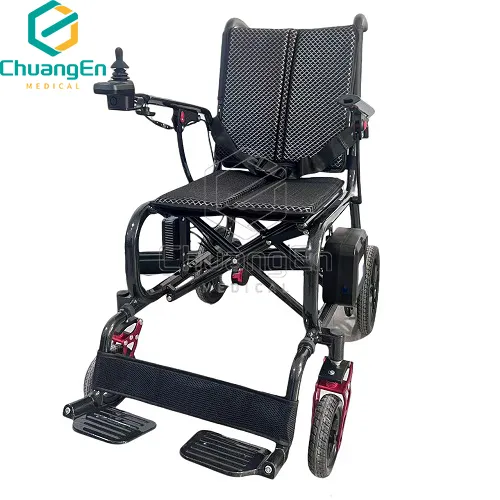
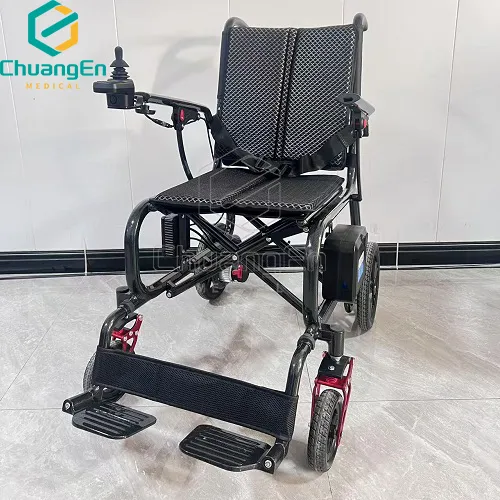
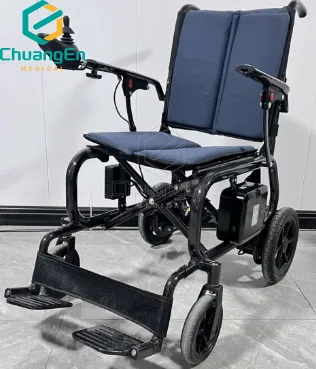
Chuangen Medical, with over a decade of experience in the medical device sector, has established itself as a reliable partner, particularly known for its commitment to innovation and quality. The CLD-11 New style foldable carbon fiber electric wheelchair for disabled encapsulates these strengths.
- Cutting-Edge Material Science: The CLD-11's carbon fiber frame sets it apart. While many competitors use aluminum alloys for weight reduction, carbon fiber offers superior strength-to-weight, exceptional rigidity, and inherent vibration dampening properties, contributing to a smoother ride and greater durability over years of use. This material choice makes the CLD-11 incredibly lightweight at just 25 kg (excluding battery), making it one of the lightest fully reclining electric wheelchair models on the market.
- Full Reclining Capability: The CLD-11 boasts a recline range from 90° to a full 180°, allowing users to lie completely flat. This feature is crucial for extended rest periods, pressure redistribution, and ease of care, offering flexibility rarely found in a foldable, lightweight package. This distinguishes it from many "electric manual wheelchair" models which often lack comprehensive powered recline.
- Compact Foldability: Designed for ultimate portability, the CLD-11 folds into a remarkably compact size, making it ideal for travel and storage. This addresses a significant pain point for many users and caregivers, enabling seamless integration into daily life and transportation.
- Reliable Power and Control: Equipped with dual 250W brushless motors and a 24V 13Ah Lithium-ion battery, it delivers ample power for various terrains and a respectable range of up to 20 km. The intuitive joystick control ensures ease of operation for a wide range of users.
- Adherence to Global Standards: Chuangen Medical’s manufacturing processes and products, including the CLD-11, comply with stringent international standards such as ISO 13485 and have obtained necessary regional certifications, ensuring global market acceptance and reinforcing trust.
Trustworthiness & Client Support
- Transparent Delivery Cycles: Chuangen Medical maintains efficient production and logistics, providing clear and predictable delivery schedules for B2B orders, minimizing inventory holding costs for partners. Typical lead times are communicated upfront, often ranging from 4-6 weeks for bulk orders, depending on customization.
- Comprehensive Warranty & After-Sales Service: All products, including the CLD-11, come with a robust warranty covering the frame, motors, and battery (e.g., 5-year frame, 1-year components). A dedicated customer support team is available to assist with technical queries, troubleshooting, and spare parts supply, ensuring minimal downtime for end-users.
- Expert Technical Support: Beyond basic troubleshooting, Chuangen Medical offers in-depth technical assistance to its partners, including training on product features, maintenance, and repair, empowering distributors to provide superior local support.
Choosing Chuangen Medical means partnering with a manufacturer that prioritizes advanced engineering, user well-being, and long-term reliability, offering a distinctive competitive advantage in the reclining electric wheelchair market.
Tailored Solutions: Customization and Strategic Partnerships
While standard models of reclining electric wheelchair cater to a broad user base, the specialized needs of some individuals or institutions necessitate customized solutions. A responsive manufacturer should be able to offer degrees of customization and foster strategic partnerships to meet these unique demands effectively.
Customization Capabilities
High-quality manufacturers understand that "one size fits all" rarely applies in medical mobility. Chuangen Medical, for example, offers various customization options for its reclining electric wheelchair range, including the CLD-11, to ensure optimal fit and functionality for diverse user populations and specific applications. These include:
- Seating and Cushioning: Options for specialized pressure-relief cushions (e.g., gel, air, foam combinations), varying seat widths and depths, and adjustable backrest heights to accommodate different anthropometric measurements and clinical requirements. This is crucial for preventing pressure ulcers and ensuring long-term comfort for users, particularly with a fully reclining electric wheelchair.
- Leg Rest and Footrest Adjustments: Elevating leg rests, adjustable angle footrests, and calf supports to manage edema, improve circulation, or accommodate leg length discrepancies.
- Control System Modifications: While joystick is standard, options for alternative input devices (e.g., head array, chin control, attendant control systems) for users with severe upper limb limitations or for caregivers who need to operate the chair. Programmable speed settings and user profiles can also be customized.
- Accessory Integration: Provision for integrating various accessories such as oxygen tank holders, IV poles, communication device mounts, trays, and specialized headrests for enhanced functionality and user support.
- Battery Capacity Upgrades: For users requiring extended range, options for higher-capacity batteries or additional battery packs can be provided to meet specific travel or usage demands.
For B2B partners, offering customizable solutions differentiates their service and allows them to capture a broader market segment, including clients with very specific medical or lifestyle requirements.
Strategic OEM/ODM Partnerships
Beyond direct sales, strong manufacturers engage in Original Equipment Manufacturer (OEM) and Original Design Manufacturer (ODM) partnerships.
- OEM: Chuangen Medical can produce reclining electric wheelchair models and components under a client's brand name. This is ideal for large distributors or healthcare networks looking to expand their branded product lines without investing in their own manufacturing facilities. This includes co-branding, custom packaging, and specific product finishings.
- ODM: For partners with specific design concepts or feature requirements, Chuangen Medical's engineering team can develop a new product from scratch or significantly modify an existing design to meet precise specifications. This level of partnership allows for the creation of unique, proprietary products that can offer a significant market advantage. For example, developing a specialized heavy-duty electric manual wheelchair variant with specific recline functions for bariatric patients or an ultra-compact version for urban living.
These partnerships underscore a manufacturer's flexibility and capability to support the strategic growth of its B2B clients, adapting to market shifts and emerging demands.
Success Stories and Application Cases
While specific client names cannot be disclosed, aggregated feedback and real-world application demonstrate the impact of advanced reclining electric wheelchair products.
- Case 1: Enhanced Long-Term Care Facility Patient Comfort. A large chain of long-term care facilities integrated several dozen CLD-11 units into their daily operations. Feedback highlighted a significant reduction in reported pressure sore incidents among residents, attributed to the fully reclining electric wheelchair capability allowing frequent pressure redistribution. Caregiver feedback also indicated reduced physical strain during patient repositioning and transfers, leading to improved staff morale and reduced injury rates. The foldable design also simplified storage when not in use.
- Case 2: Specialized Rehabilitation Program Integration. A leading rehabilitation hospital utilized customized CLD-11 variants with specific head and trunk support modifications for patients recovering from severe spinal injuries. The precision recline angles facilitated tailored physical therapy exercises, enabling gradual strengthening and improved postural control, accelerating recovery milestones. The robust carbon fiber frame endured rigorous daily use in a demanding clinical environment.
- Case 3: Enabling Global Travel for Mobility-Challenged Individuals. A specialized travel agency for individuals with disabilities reported a substantial increase in client satisfaction after recommending compact, foldable reclining electric wheelchair models like the CLD-11. Clients praised the ease of air travel, the ability to store the chair in overhead compartments or car trunks, and the comfort of being able to fully recline during long journeys or breaks. This directly translated into repeat business and positive referrals for the agency.
These cases illustrate the tangible benefits derived from investing in advanced, adaptable mobility solutions, underscoring the value proposition for B2B partners.
Frequently Asked Questions (FAQ)
This FAQ section addresses common queries from B2B partners and end-users regarding reclining electric wheelchair products, offering quick, authoritative answers.
Conclusion: Advancing Mobility with Precision and Care
The modern reclining electric wheelchair represents the pinnacle of assistive technology, seamlessly blending advanced engineering with user-centric design. From the strategic choice of materials like carbon fiber to the meticulous execution of manufacturing processes and adherence to global quality standards, every aspect contributes to creating a device that offers unparalleled comfort, independence, and reliability. For B2B stakeholders, investing in high-quality, innovative solutions like Chuangen Medical's CLD-11 provides a significant advantage in a growing market driven by demand for superior mobility aids.
The capability for full recline, coupled with lightweight and foldable designs, addresses critical needs in diverse application scenarios, from enhancing patient comfort in long-term care facilities to enabling greater travel freedom for individuals. As the healthcare landscape evolves and the global population ages, the demand for sophisticated, comfortable, and portable mobility solutions will only intensify. Partnering with a manufacturer that not only provides cutting-edge products but also offers robust after-sales support, customization capabilities, and a commitment to international quality standards is paramount for long-term success and delivering true value to those who depend on these life-changing devices. The future of personal mobility is here, embodied in the advanced reclining electric wheelchair.
References
- Grand View Research. (2023). Powered Wheelchair Market Size, Share & Trends Analysis Report By Product, By Application, By Region, And Segment Forecasts, 2023 - 2030.
- International Organization for Standardization. (2016). ISO 13485:2016 Medical devices — Quality management systems — Requirements for regulatory purposes.
- Rehabilitation Engineering and Assistive Technology Society of North America (RESNA). (2017). American National Standard for Wheelchairs – Requirements and Test Methods.
- U.S. Food and Drug Administration (FDA). (2022). Medical Devices: Premarket Notification 510(k).
- European Commission. (2017). Regulation (EU) 2017/745 on medical devices, amending Directive 2001/83/EC, Regulation (EC) No 178/2002 and Regulation (EU) No 1223/2009 and repealing Council Directives 90/385/EEC and 93/42/EEC.