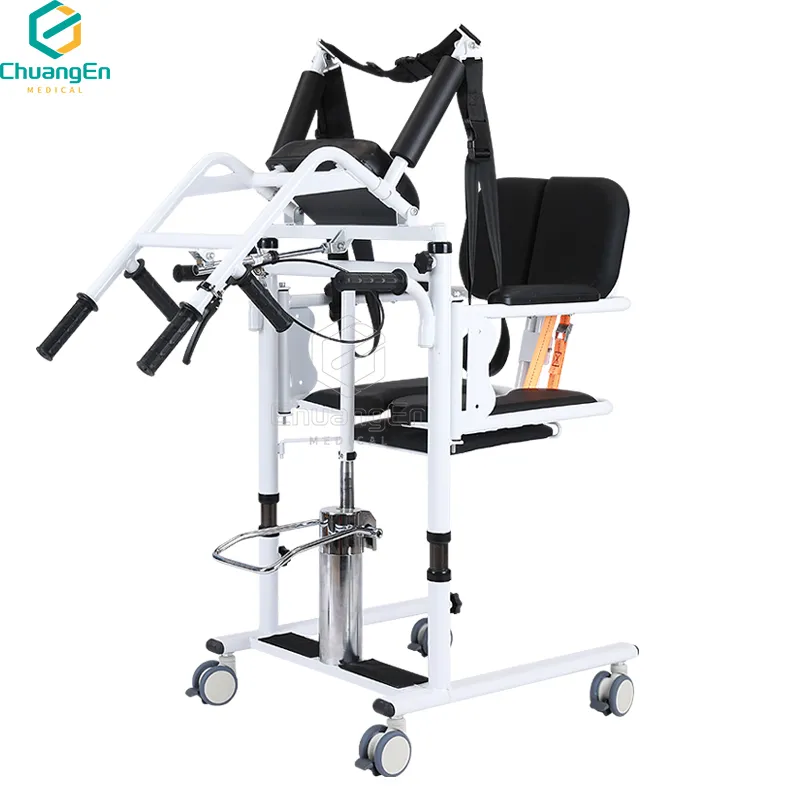
A hands-on look at a smarter way to move patients
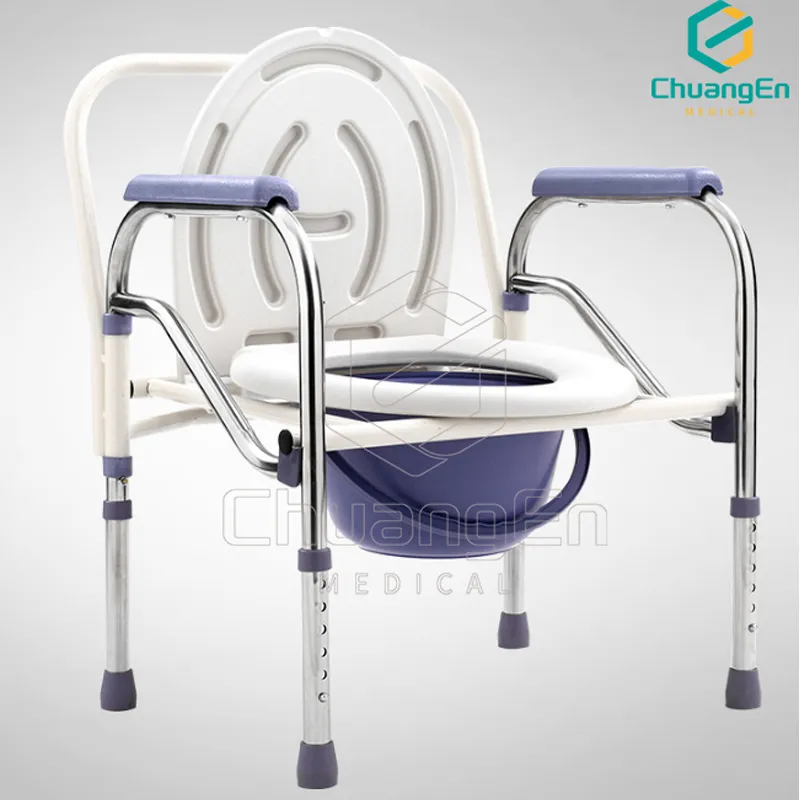
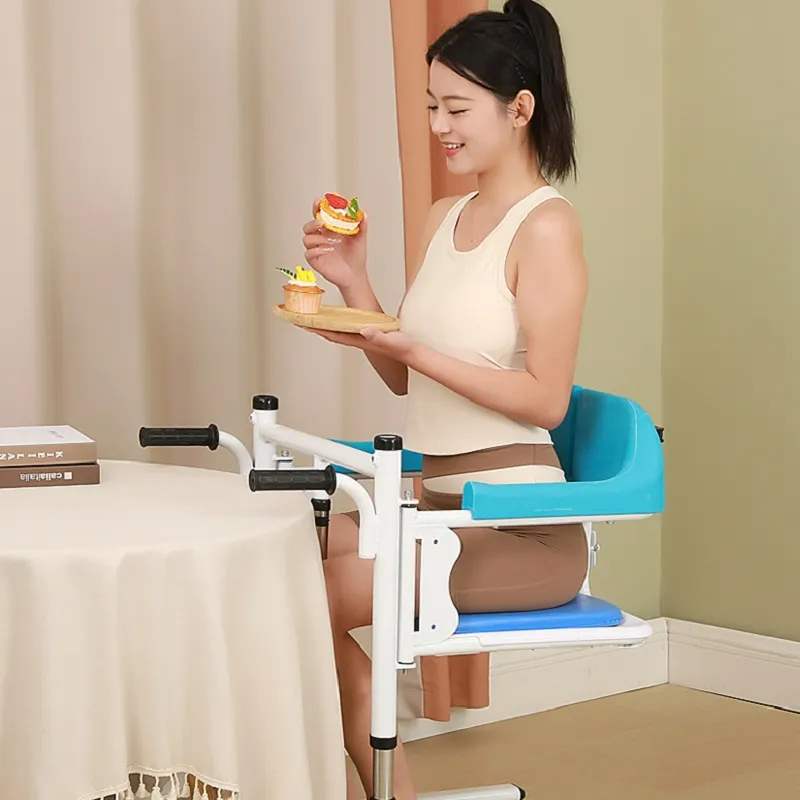
If you’ve ever wrestled with a tight room, a tired caregiver, and an anxious patient, you know why the patient lift and transfer chair category keeps evolving. I’ve watched the segment shift from bulky hoists to compact chairs that actually fit real homes. Case in point: the CZY-Y04 Hydraulic Disabled Patient Transfer Chair With Commode—built in Shijiazhuang, Hebei, China—aims squarely at everyday usability rather than showroom specs.
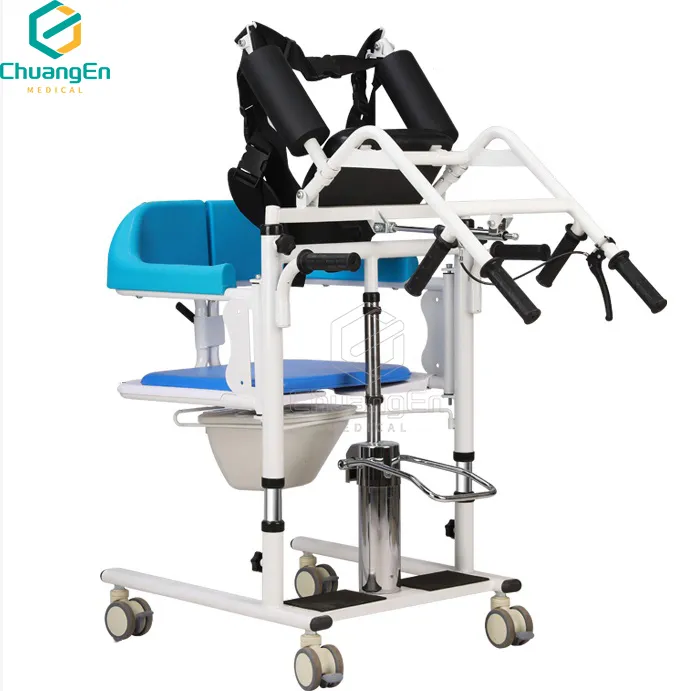
What’s trending (and why it matters)
Three things keep coming up in my interviews: home-first care, safer transfers, and devices that multitask. Hydraulic systems remain popular because they’re reliable and low-maintenance; add a commode and a 180° opening base and you’ve got fewer transfers per day. Many caregivers say that’s the difference between burnout and getting through a double shift.
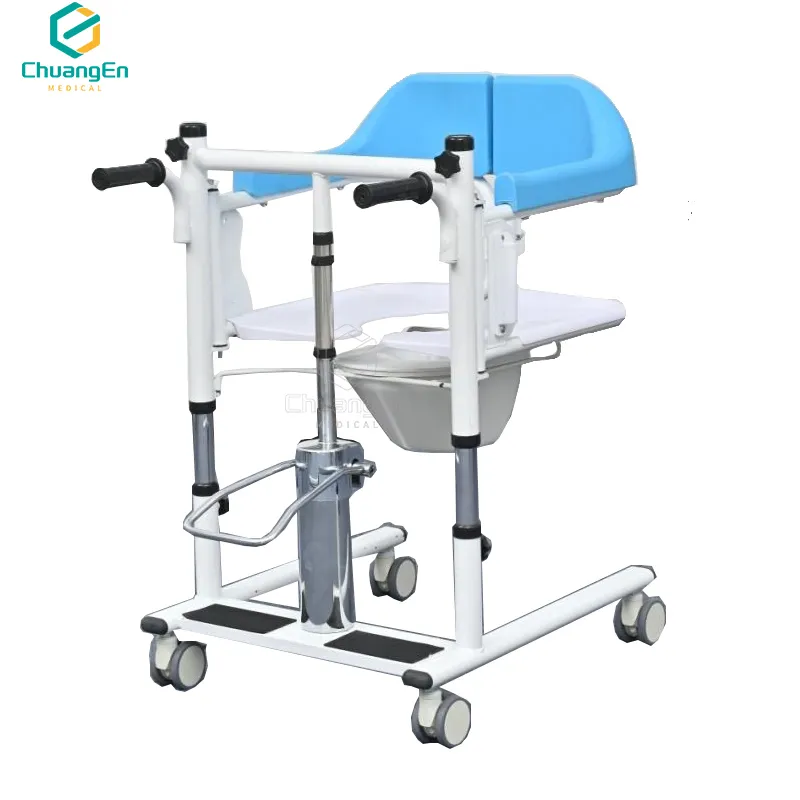
Product snapshot: CZY-Y04 specs
| Model / Name | CZY-Y04 Hydraulic Disabled Patient Transfer Chair With Commode |
| Type | Hydraulic with auxiliary lift bracket; 180° open base |
| Rated load | ≈150 kg (real-world use may vary) |
| Seat height range | ≈420–720 mm, free height adjustment |
| Materials | Powder-coated steel frame; PU seat; stainless/PP commode pan |
| Certifications | Manufacturer states ISO 13485 QMS; designed to meet ISO 10535 |
| MOQ / Origin | MOQ 1 pcs; No.65, Tiangui Street, High Tech Zone, Shijiazhuang, Hebei, China |
How it’s built and tested (the quick version)
- Materials: thick-wall steel tubing, CNC-bent; TIG-welded joints; phosphate pre-treatment; powder coat ≈60–80 μm.
- Hydraulic system: sealed jack; cycle-tested ≈15,000 up/down cycles; leak check at 1.2× working pressure.
- Load testing: static test to ≈1.5× rated load; dynamic roll test over thresholds (ISO 10535 methodology).
- Service life: around 5–7 years with routine maintenance (casters, seals, fasteners).
- Industries: hospitals, rehab centers, nursing homes, home care, dialysis suites, day-care facilities.
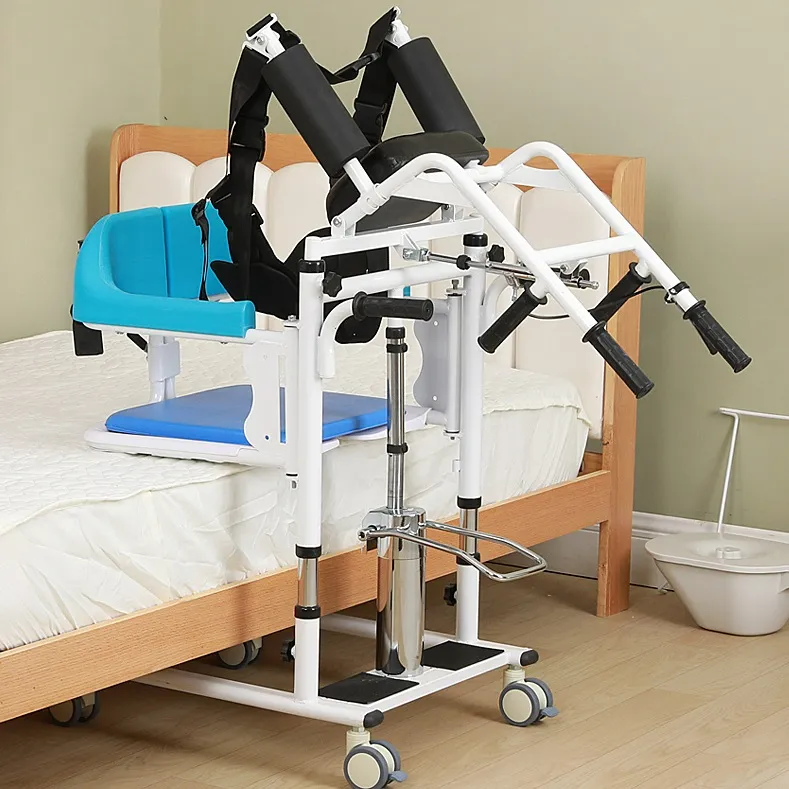
Where it shines (and a couple of caveats)
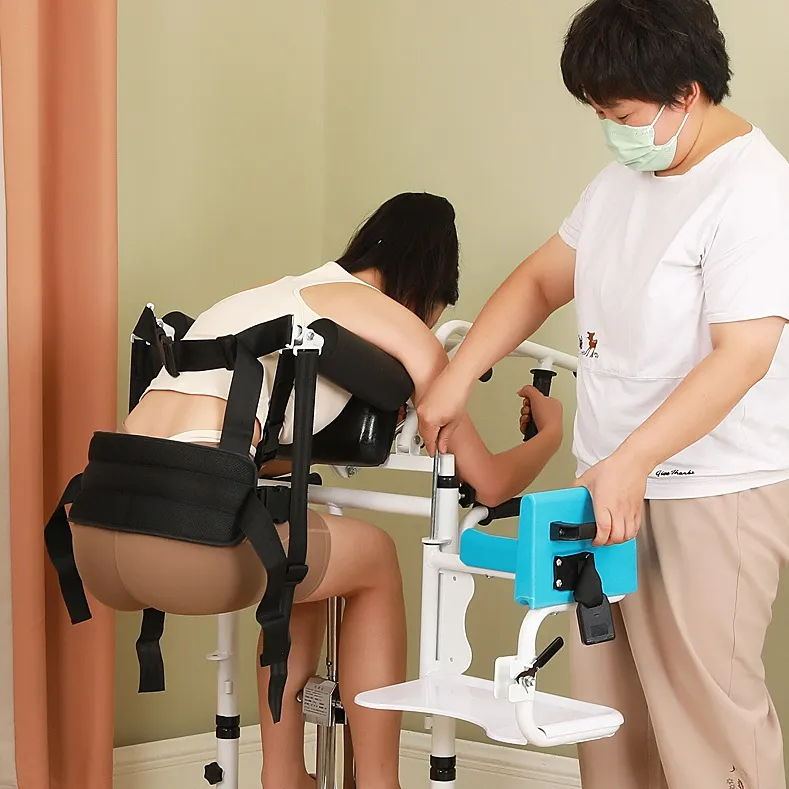
Bed-to-wheelchair. Bed-to-commode. Chair-to-shower bench (if flooring allows). The 180° base opening sneaks under frames most electric beds can’t straddle. To be honest, hydraulic pumps are slower than electric lifts, but they’re quieter and don’t die on a low battery—caregivers appreciate that at 3 a.m. The integrated commode means fewer risky moves. And yes, the auxiliary lift bracket helps stabilize heavier transfers.
Vendor landscape: quick comparison
| Option | Power | Certs | Load | Price band | Notes |
|---|---|---|---|---|---|
| Chuangen CZY-Y04 | Hydraulic | ISO 13485 (manufacturer), ISO 10535 design | ≈150 kg | $$ | 180° open base; commode integrated; low upkeep |
| Electric chair-lift (Brand A) | Battery/electric | CE/MDR, often ISO 10535 | ≈160–180 kg | $$$ | Faster lifts; needs charging; higher service costs |
| Budget hydraulic (no-name) | Hydraulic | Varies | ≈120–140 kg | $ | Lower price; check welds, caster quality, documentation |
Customization and ordering
Options I’ve seen requested: seat width (≈44–52 cm), U-shaped or closed seat, removable armrests, 3" or 5" casters with brakes, stainless vs PP commode pan, and color-matched powder coat (RAL). Private labeling is common on export orders. MOQ is just 1 piece, which is handy for trial use before scaling.
Field notes (two quick cases)
- Home care, post-stroke: transfer time dropped from ~9 to ~5 minutes per move; caregiver noted “less back strain” after week two.
- Rehab unit (mid-size): incident logs showed a 22% reduction in near-miss lift events over 3 months after swapping to patient lift and transfer chair units with commodes; small sample, but promising.
Compliance, training, and care
Look for ISO 13485 QMS and testing against ISO 10535. Facilities often align with OSHA safe patient-handling policies. Run quarterly checks: caster wear, fastener torque, hydraulic seepage. For staff, a 30-minute in-service on slings, footrests, and “feet first” approach prevents most mishaps. And yes, document pre-use checks—auditors actually ask.
Bottom line: a robust patient lift and transfer chair with a commode can remove a whole transfer from the daily routine. In practice, that’s what saves time—and backs.
Authoritative sources
- ISO 10535: Hoists for the transfer of disabled persons—Requirements and test methods. https://www.iso.org/standard/71611.html
- ISO 13485: Medical devices—Quality management systems. https://www.iso.org/iso-13485-medical-devices.html
- OSHA: Safe Patient Handling Programs. https://www.osha.gov/healthcare/safe-patient-handling
- European Union MDR (Regulation (EU) 2017/745). https://health.ec.europa.eu/medical-devices-sector/new-regulations_en