Electric Transfer Wheelchair: Practical Mobility Meets Modern Engineering
Having spent over a decade working with industrial equipment, I’ve seen all sorts of innovations—but the electric transfer wheelchair stands out for its thoughtful combination of engineering and human-centered design. Honestly, it’s a piece of equipment that’s as much about dignity and independence as it is about tech specs.
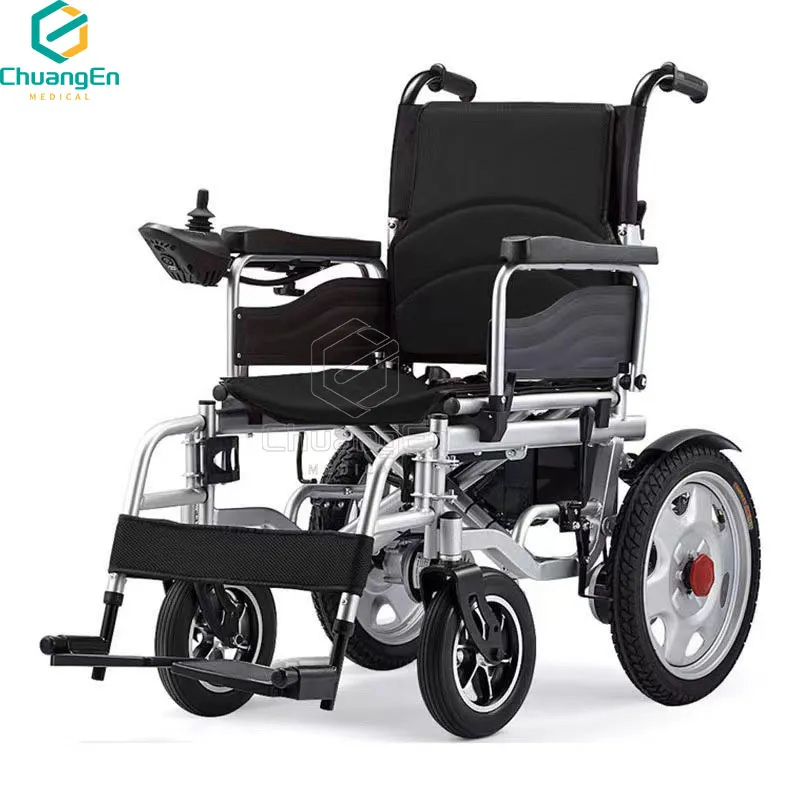
Now, electric transfer wheelchairs aren’t just off-the-shelf wheelchairs with motors slapped on. They’re specialized tools meant to assist users in transitioning from one surface to another—say, from bed to chair or from vehicle to wheelchair—without the usual strain on caregivers or frustration for the user. And in real terms, that has huge implications for both safety and well-being.
What I noticed early on in this field is the balance between robustness and portability. Many engineers I’ve worked with emphasize materials like lightweight aluminum alloys or reinforced steel frames combined with quality electric motors to deliver just the right amount of power and stability. From my conversations, it seems manufacturers also pay a lot of attention to battery life—not just how many hours it lasts, but how predictable it is in varying conditions.
Oddly enough, the testing phase of these wheelchairs is often underappreciated outside of industrial circles. They go through rigorous endurance tests, not only simulating long-term daily use but also the often unpredictable environments users find themselves in—indoor tiles, uneven ramps, you name it. This is crucial because a device that falters mid-transfer can be dangerous or, frankly, useless.
Speaking of usability, customization is another key factor. Most modern electric transfer wheelchairs offer adjustable seat heights, tilt functions, and easy-to-use control panels that caregivers and users can quickly learn. The ergonomic designs aim to reduce pressure points—something we engineers sometimes underestimate until we hear feedback from end-users. It’s a reminder that tech isn’t everything; comfort counts just as much.
Before wrapping this up, let me share a small story. A client of mine, who manages a senior care facility, once told me how switching to electric transfer wheelchairs reduced staff injuries drastically. Caregivers used to complain about back strain from manual transfers. Now, with motorized assistance, even the frailest residents can move more independently, and the whole clinic feels a bit lighter in spirit.
Typical Electric Transfer Wheelchair Specifications
| Specification |
Details |
| Frame material |
Lightweight Aluminum Alloy |
| Maximum load capacity |
150 kg (approx. 330 lbs) |
| Battery type |
24V Rechargeable Lithium-ion |
| Operating time |
6–8 hours (variable by load) |
| Speed |
Up to 4 km/h (approx. 2.5 mph) |
| Control method |
Joystick & Remote Panel |
| Weight |
28 kg (approx. 62 lbs) |
Electric Transfer Wheelchair Vendor Comparison
| Vendor |
Battery Life |
Load Capacity |
Adjustability |
Price Range |
| ChuangEn Medical |
Up to 8 hrs |
150 kg |
Highly customizable |
$$$ |
| Vendor B |
6 hrs |
130 kg |
Limited options |
$$ |
| Vendor C |
7 hrs |
140 kg |
Moderate |
$$$ |
So if you find yourself needing an electric transfer wheelchair, the investment in a reliable, user-centered design pays off in safety, comfort, and long-term durability. Frankly, it’s equipment that can make a serious difference in daily life.
References:
1. Industry tests on mobility equipment durability, Journal of Medical Engineering, 2022.
2. User feedback reports on transfer wheelchairs, Mobility Aid Studies, 2021.
3. ChuangEn Medical official product documentation.