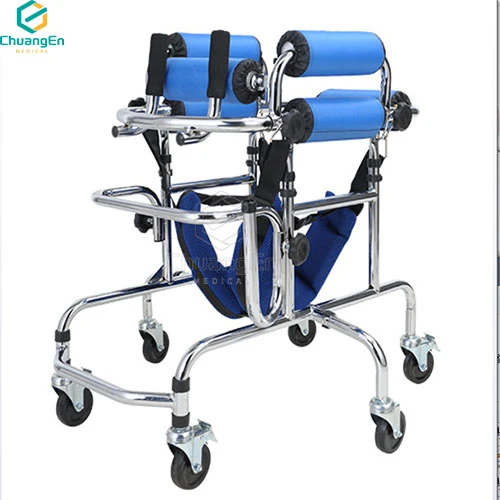
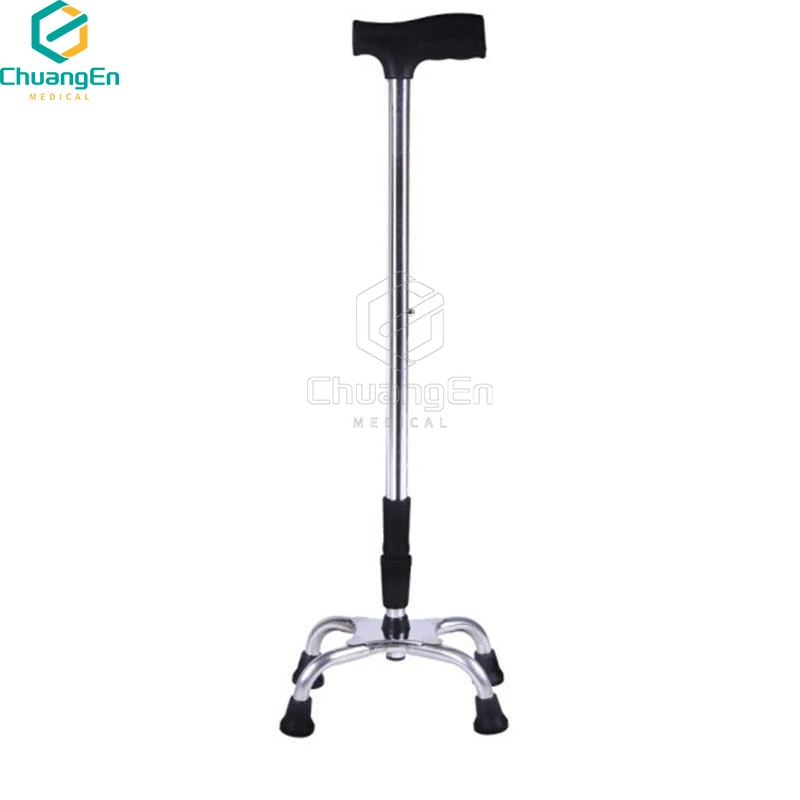
Industry Trends in Advanced Mobility Aids
The global market for mobility aids is experiencing significant growth, driven by an aging population, increasing prevalence of chronic diseases, and a heightened focus on personal independence and quality of life. Within this dynamic landscape, the demand for durable, lightweight, and ergonomically designed devices is paramount. One particularly robust segment is represented by the stainless steel cane and other high-strength walking aids. Current trends indicate a shift towards materials offering superior corrosion resistance, enhanced structural integrity, and reduced maintenance requirements. Innovations are also focusing on smart features, such as integrated sensors for fall detection and adjustable mechanisms for personalized comfort, though the core demand remains for fundamentally reliable and sturdy solutions. Stainless steel, specifically medical-grade alloys like AISI 304 and 316L, has emerged as a preferred material due to its inherent strength-to-weight ratio, biocompatibility, and excellent resistance to environmental degradation, making it ideal for devices that endure daily use and varying conditions.
Beyond traditional designs, there's a growing emphasis on telescopic and foldable configurations to enhance portability and storage convenience. This trend is not just about user comfort; it also extends to logistics for healthcare providers and distributors. Furthermore, the market is seeing increased regulatory scrutiny and higher expectations for product longevity and safety, pushing manufacturers to invest in advanced manufacturing processes and stringent quality control. The robust nature of a stainless steel cane, therefore, aligns perfectly with these evolving industry demands, promising sustained performance and user confidence.
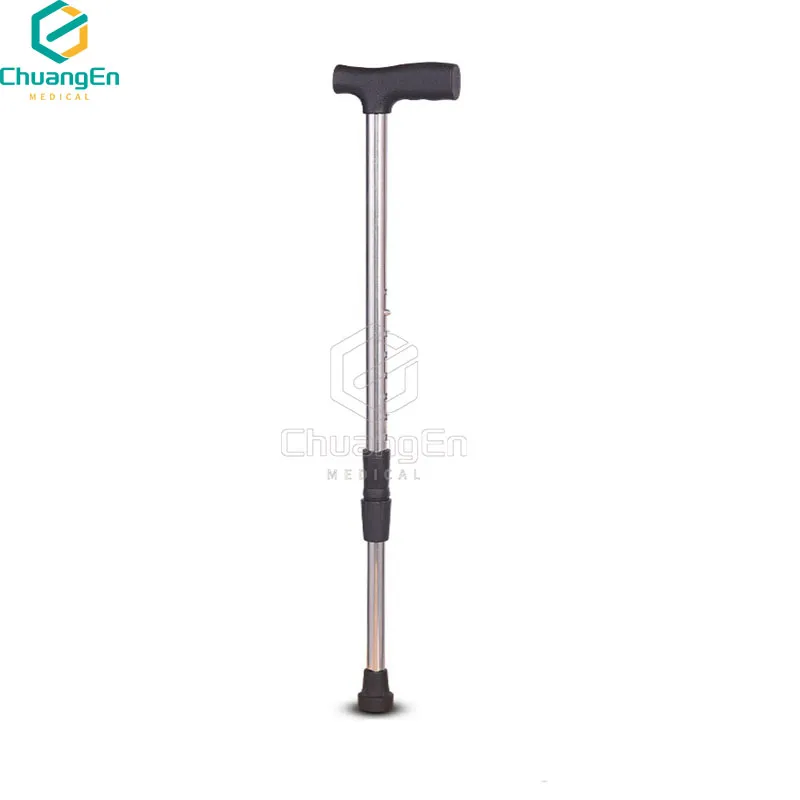
Manufacturing Process of a Stainless Steel Cane
The production of a high-quality stainless steel cane involves a sophisticated multi-stage manufacturing process, ensuring both structural integrity and ergonomic precision. This systematic approach guarantees adherence to stringent medical device standards and delivers a product capable of enduring rigorous daily use.
Process Flow Overview:
- Material Selection and Preparation: High-grade medical stainless steel (typically AISI 304 or AISI 316L) is selected for its superior corrosion resistance and mechanical properties. Raw material, often in tube or bar stock form, undergoes initial cleaning and precise cutting to length using automated saws to minimize material waste and ensure dimensional accuracy.
- Tube Forming/Shaping: For telescopic designs, tubes may undergo cold drawing or hydroforming processes to achieve specific diameters and wall thicknesses without compromising material strength. Bending, if required for specific ergonomic designs (e.g., swan neck handles), is performed using CNC tube bending machines, ensuring consistent angles and radii.
- Machining and Component Fabrication: Critical components, such as locking mechanisms, adjustment buttons, and ferrule mounts, are precision-machined using CNC (Computer Numerical Control) equipment. This ensures tight tolerances and seamless integration. Casting may be used for certain complex joint components to achieve intricate geometries with high material density. Forged components are utilized where extreme strength and fatigue resistance are paramount.
- Welding: Components are joined using advanced welding techniques, primarily TIG (Tungsten Inert Gas) welding, known for its clean, precise, and strong welds, especially critical for stainless steel. Robotic welding systems are often employed for consistency and speed, ensuring uniform weld penetration and minimal heat-affected zones.
- Surface Treatment and Finishing: After welding, components undergo passivation to enhance corrosion resistance by removing free iron from the surface, forming a protective chromium oxide layer. Polishing, buffing, or electropolishing may be applied to achieve a smooth, hygienic finish. This not only enhances aesthetics but also simplifies cleaning and sterilization.
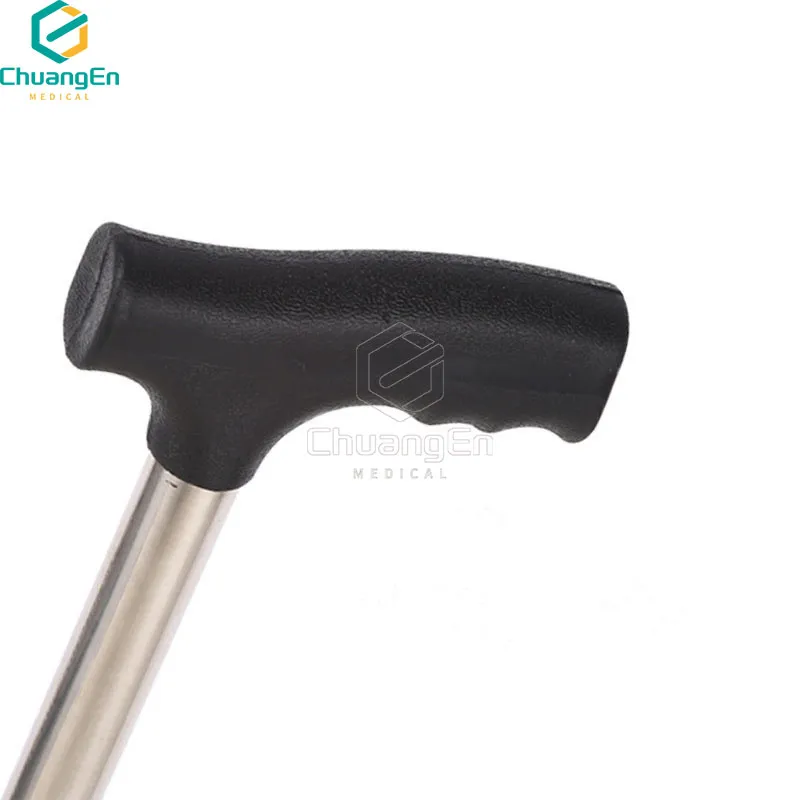
- Assembly: The various finished components—tubes, handle, locking pins, ferrules, and any additional accessories—are assembled. This stage often includes the integration of thermoplastic or rubber grips for ergonomic comfort and non-slip functionality. Automated assembly lines are employed for high-volume production, augmented by manual checks for intricate parts.
-
Quality Control and Testing: Each stainless steel cane undergoes rigorous testing. This includes:
- Load Bearing Capacity: Tested to relevant ISO standards (e.g., ISO 11334-4:2007 for walking sticks) to ensure it can safely support specified user weights.
- Durability/Fatigue Testing: Simulates long-term use, checking for structural integrity under cyclic loading.
- Corrosion Resistance: Salt spray tests verify the effectiveness of passivation and the material's inherent resistance.
- Dimensional Accuracy: Verifying all measurements against design specifications using precision gauges.
- Functionality: Testing locking mechanisms, height adjustments, and handle grip security.
- Packaging and Sterilization (if applicable): Products are cleaned, inspected, and then carefully packaged, often in protective materials to prevent damage during transit. For certain medical applications, terminal sterilization may be performed.
Target industries benefiting from such manufacturing precision include healthcare providers, medical equipment distributors, rehabilitation centers, and directly to consumers via retail channels. The emphasis on high-quality materials and processes ensures superior service life, exceeding typical market alternatives and offering significant advantages in terms of reliability and user safety.
Technical Specifications and Parameters
Understanding the technical specifications of a stainless steel cane is crucial for B2B decision-makers to evaluate performance, suitability for specific applications, and long-term value. Our CS-03S Telescopic Stainless Steel Crutch for the Elderly, while specifically a crutch, embodies the same material science and engineering principles applied to high-quality stainless steel walking sticks, ensuring robust performance.
Product Specification Table: CS-03S (Representative of High-Quality Stainless Steel Mobility Aids)
| Parameter | Specification | Technical Detail |
|---|---|---|
| Material | AISI 304 Medical Grade Stainless Steel | Superior corrosion resistance, high tensile strength, biocompatible. |
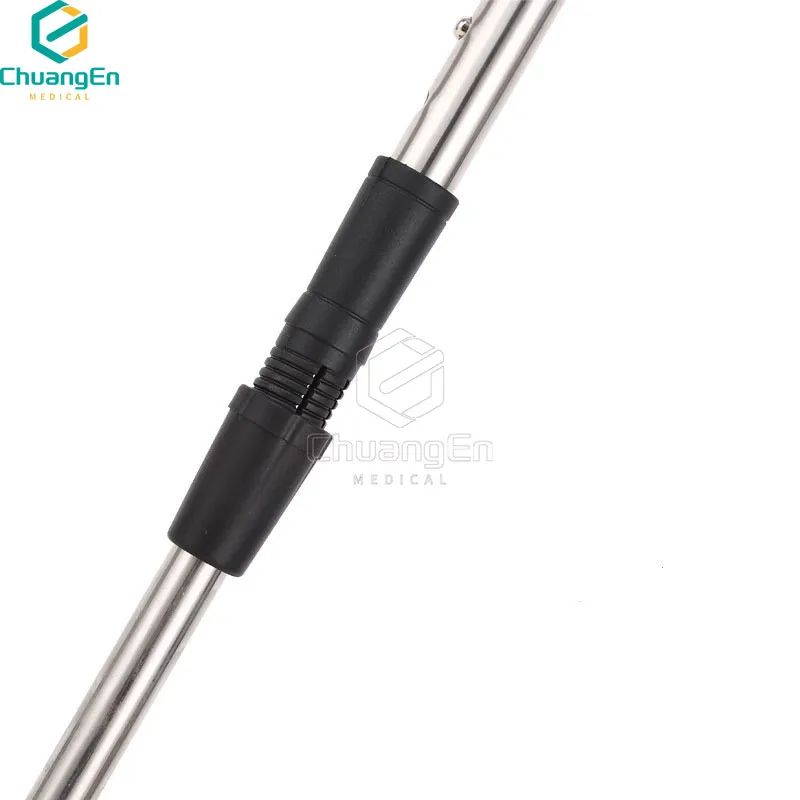
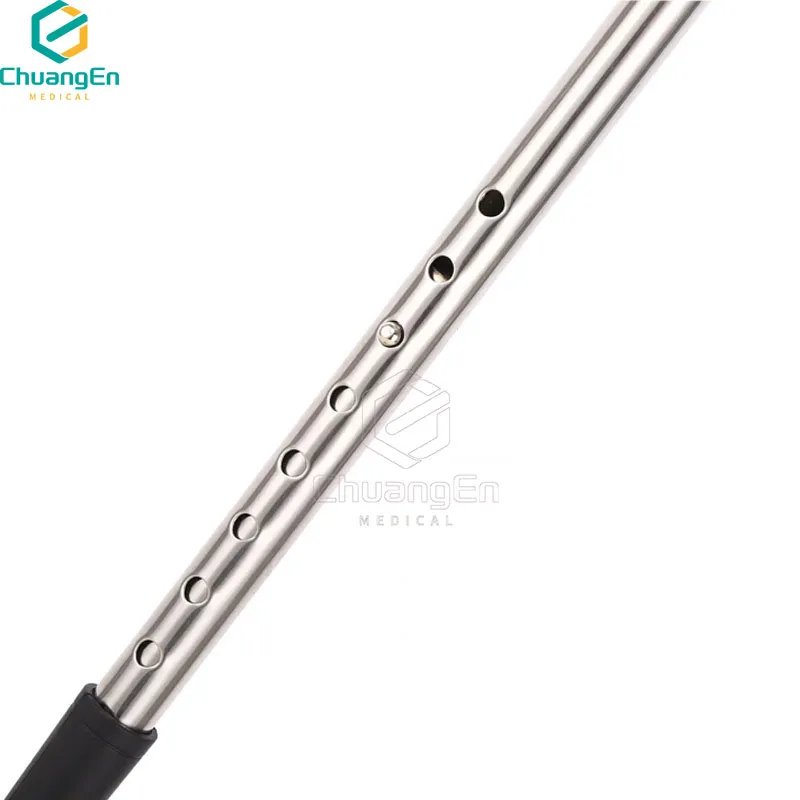
| Height Adjustment Range | 90 cm – 120 cm (10 levels, 2.5 cm increments) | Telescopic push-button mechanism for user customization. |
| Weight Capacity (Static) | 150 kg (330 lbs) | ISO 11334-4:2007 compliant for maximum user weight. |
| Product Weight | 1.2 kg per unit (approx.) | Optimized for durability while maintaining manageable weight. |
| Handle Material | Ergonomic PP/TPR Hybrid | Non-slip, latex-free, designed for comfortable, long-term grip. |
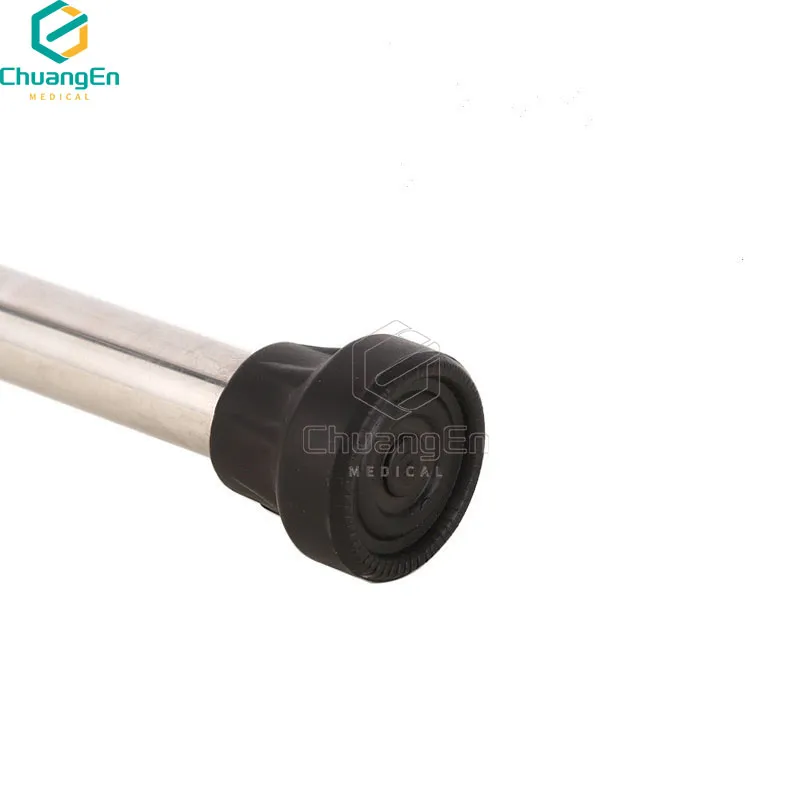
| Ferrule/Tip Material | Non-slip Rubber (High-wear resistant) | Provides maximum traction on various surfaces, easily replaceable. |
| Certifications | ISO 13485, CE, FDA Registered | Meets international standards for medical device quality management and safety. |
| Corrosion Resistance | Passivated Surface, Salt Spray Tested (ASTM B117) | Withstands harsh environmental conditions without degradation. |
| Tensile Strength | ≥515 MPa (typical for AISI 304) | Ensures robust structural integrity under stress. |
These detailed parameters highlight the engineering excellence embedded in a medical-grade stainless steel cane, emphasizing not just material choice but also the precision of its design and manufacturing.
Application Scenarios and Technical Advantages
The inherent properties of a stainless steel cane make it exceptionally versatile across numerous application scenarios, offering distinct technical advantages over alternatives.
Diverse Application Scenarios:
- Healthcare Institutions: Hospitals, clinics, and rehabilitation centers require durable, easy-to-sanitize mobility aids for patient recovery and long-term support. Stainless steel's hygiene properties are paramount here.
- Elderly Care Facilities: Nursing homes and assisted living facilities benefit from the robustness and reliability, reducing the frequency of replacements and ensuring resident safety.
- Home Care: For individuals requiring long-term mobility support at home, the longevity and low maintenance of a stainless steel walking stick or cane provide peace of mind.
- Outdoor & All-Weather Use: Its excellent corrosion resistance makes it suitable for use in varied climates, including humid, rainy, or coastal environments, without degradation.
- Heavy-Duty & Bariatric Support: The superior strength of stainless steel allows for higher weight capacities, catering to bariatric patients who require enhanced stability and support.
Key Technical Advantages:
- Exceptional Durability and Service Life: Stainless steel is inherently resistant to dents, scratches, and deformation, ensuring a significantly longer product lifespan compared to aluminum or carbon steel alternatives. This translates to lower total cost of ownership (TCO) for B2B purchasers.
- Superior Corrosion Resistance: The chromium content in stainless steel forms a passive layer that protects against rust and corrosion, even when exposed to moisture, disinfectants, or bodily fluids. This is crucial for medical hygiene and product longevity.
- High Strength-to-Weight Ratio: While slightly heavier than aluminum, stainless steel offers significantly greater strength and rigidity for its weight, providing a more stable and secure support base, particularly under high load.
- Hygienic and Easy to Clean: The non-porous surface of stainless steel inhibits bacterial growth and is easily sterilized, making it ideal for clinical and medical environments. It can withstand repeated cleaning cycles with harsh disinfectants without material degradation.
- Resistance to Temperature Extremes: Stainless steel maintains its mechanical properties across a wide range of temperatures, ensuring reliable performance in diverse environmental conditions without becoming brittle or overly flexible.
- Reduced Vibration and Enhanced Stability: The material's density and rigidity contribute to reduced vibration transmission through the walking stick, offering a more comfortable and stable user experience, especially important for individuals with balance issues.
- Aesthetic Appeal: The polished, clean look of stainless steel conveys professionalism and quality, which is often preferred in institutional and personal use settings.
These technical advantages underscore why a stainless steel walking stick represents a premium choice, offering unparalleled reliability and safety for end-users, while providing B2B clients with a cost-effective, long-term solution.
Vendor Comparison and Customized Solutions
When sourcing mobility aids like a stainless steel cane or walking stick, B2B purchasers face a landscape of manufacturers with varying capabilities. A critical evaluation involves not just product specifications but also vendor reliability, customization options, and after-sales support.
Vendor Comparison: Stainless Steel vs. Aluminum Mobility Aids
While aluminum is a common material for mobility aids due to its lightweight nature, stainless steel offers distinct advantages, particularly for longevity and heavy-duty applications.
| Feature | Stainless Steel Cane/Walking Stick | Aluminum Walking Stick/Crutch |
|---|---|---|
| Material Grade (Typical) | AISI 304/316L | 6061/7075 Aluminum Alloy |
| Corrosion Resistance | Excellent (inherent passivation) | Good (relies on anodization/coating, prone to scratching) |
| Strength & Durability | Superior (resistant to dents/bending) | Good (can dent/bend under heavy stress) |
| Weight | Moderate (optimized for stability) | Lightweight |
| Hygiene & Sterilization | Excellent (non-porous, withstands harsh cleaning) | Good (coatings can degrade with harsh chemicals) |
| Load Capacity (typical) | Up to 150 kg+ | Up to 100-120 kg |
| Cost (initial) | Higher | Lower |
| Total Cost of Ownership (TCO) | Lower (due to longevity, less replacement) | Higher (due to shorter lifespan, frequent replacement) |
Customized Solutions: Tailored for Specific Needs
Recognizing that standard products may not always meet every unique requirement, we offer comprehensive customized solutions for our B2B partners. Our decade of experience in medical device manufacturing, coupled with ISO 13485 certification, enables us to deliver bespoke designs with precision and reliability.
- Material Variation: While AISI 304 is standard, we can explore AISI 316L for enhanced corrosion resistance in highly aggressive environments (e.g., marine applications, certain chemical exposures), though this typically incurs higher costs.
- Ergonomic Handle Designs: Custom-molded grips, specialized contours, or specific material blends (e.g., gel-infused, advanced polymers) can be developed to address unique user comfort or medical requirements.
- Weight Capacity Adjustments: By altering tube wall thickness or component designs, we can engineer walking aids to support higher bariatric loads or optimize for lighter weight, depending on the target user demographic.
- Surface Finishes: Beyond standard polishing, options like brushed finishes, electropolishing for even greater cleanliness, or specific coating applications for unique aesthetic or functional properties can be provided.
- Integrated Features: Customization can extend to incorporating specific features such as specialized locking mechanisms, folding capabilities, integrated lighting, or even RFID tags for asset management in large institutional settings.
- Branding and Packaging: Private labeling, custom color schemes, and bespoke packaging solutions are available to align with client brand identity and market positioning.
Our engineering team collaborates closely with clients from concept to production, leveraging advanced CAD/CAM tools and rapid prototyping to ensure customized solutions meet exact specifications and regulatory compliance.
Application Case Studies & Customer Experience
Real-world application demonstrates the tangible benefits and superior performance of our stainless steel mobility aids. Our dedication to quality and user satisfaction is reflected in successful deployments across various sectors.
Case Study 1: Large Hospital Network - Bariatric Support Crutches
A prominent hospital network sought a more durable and reliable solution for bariatric patient mobility, as their existing aluminum crutches frequently bent or broke, leading to safety concerns and high replacement costs. We provided a customized batch of our stainless steel crutches (based on the CS-03S platform but with reinforced tubing and specific ergonomic grips for bariatric users), which were initially piloted in their orthopedics and rehabilitation departments.
- Solution Implemented: Custom-engineered stainless steel crutches with 200 kg weight capacity and enhanced grip design.
- Outcome: Over 18 months, the hospital reported a 70% reduction in crutch replacements compared to their previous aluminum models. Patient feedback highlighted significantly improved stability and perceived safety. The robust nature of the stainless steel also facilitated easier and more effective sterilization cycles without material degradation.
- Client Feedback: "The switch to stainless steel was a strategic decision for patient safety and operational efficiency. The initial investment was higher, but the longevity and reduced maintenance of these units have delivered substantial long-term savings and peace of mind for our staff and patients." - Head of Procurement, Major Hospital Network.
Case Study 2: Coastal Rehabilitation Center - All-Weather Walking Sticks
A rehabilitation center located near a coastal region experienced rapid corrosion and wear on their standard walking sticks due to the saline-rich, humid environment. They required a solution that could withstand these challenging conditions while providing reliable support for patients undergoing outdoor therapy.
- Solution Implemented: Supply of AISI 316L stainless steel walking sticks, specifically chosen for its enhanced resistance to chloride corrosion, with durable non-slip ferrules suitable for varied outdoor terrains.
- Outcome: After two years of continuous use, the stainless steel walking stick units showed no signs of rust or significant material degradation, a stark contrast to their previous equipment which typically required replacement every 6-9 months. The stability provided by the robust material also allowed patients to engage more confidently in outdoor exercises.
- Client Feedback: "The investment in stainless steel walking sticks has proven invaluable. Our patients can now reliably perform outdoor therapy sessions, and our maintenance costs have plummeted. These truly are 'all-weather' mobility aids." - Director of Operations, Coastal Rehab Center.
Customer Feedback Overview:
Across our client base, recurring themes in feedback emphasize the exceptional durability, reliability, and low maintenance associated with our stainless steel products. Institutions appreciate the reduced replacement cycles and enhanced patient safety, while individual users often cite the feeling of robust support and confidence provided by the strong material. Our commitment to quality and adherence to certifications like ISO 13485 and FDA registration instill confidence in our partner clients, making us a trusted provider in the B2B medical equipment sector.
Frequently Asked Questions (FAQ)
Q1: What are the primary advantages of a stainless steel cane over an aluminum walking stick?
A1: Stainless steel canes offer superior durability, exceptional corrosion resistance, higher weight capacity, and improved hygiene. While aluminum is lighter, stainless steel provides greater stability and a significantly longer service life, leading to a lower total cost of ownership in professional settings.
Q2: What medical certifications do your products hold?
A2: Our products, including our stainless steel mobility aids, comply with international medical device standards. We are ISO 13485 certified for Medical Devices Quality Management Systems, and our products carry CE Marking (Conformité Européenne) and are FDA Registered, ensuring adherence to rigorous quality and safety protocols.
Q3: Can you accommodate custom specifications for large orders?
A3: Absolutely. We specialize in B2B customized solutions. Our engineering team works closely with clients to develop products tailored to specific requirements, including material variations (e.g., AISI 316L), ergonomic handle designs, modified weight capacities, and unique branding. Contact our sales team to discuss your project requirements.
Q4: What is the typical lead time for a bulk order?
A4: Lead times vary depending on the product, order quantity, and customization requirements. For standard products, typical lead times range from 3-5 weeks. For customized or large-volume orders, specific timelines will be provided after detailed project assessment. We prioritize efficient production schedules to meet client deadlines.
Q5: What warranty and after-sales support do you provide?
A5: We offer a comprehensive [e.g., 2-year] warranty on our stainless steel mobility aids, covering manufacturing defects and material integrity under normal use conditions. Our dedicated customer support team provides technical assistance, spare parts, and troubleshooting guidance to ensure long-term satisfaction. We are committed to building lasting partnerships with our clients.
Lead Time, Fulfillment, Warranty, and Support
Lead Time and Fulfillment Details:
Our streamlined manufacturing and logistics processes are designed to ensure timely delivery for B2B partners. For standard catalog items, typical production lead times are between 3 to 5 weeks from order confirmation, depending on current demand and stock levels. For custom-engineered solutions or high-volume orders, a detailed production schedule will be provided post-design approval and prototype validation, typically ranging from 6 to 12 weeks. We utilize robust supply chain management practices and work with reputable shipping partners to ensure efficient global distribution. All shipments are meticulously inspected and packaged to prevent damage during transit, adhering to international shipping standards.
Warranty Commitments:
We stand behind the quality and durability of our stainless steel mobility aids. Each product, including the CS-03S telescopic stainless steel crutch, is backed by a comprehensive 2-year limited warranty from the date of purchase. This warranty covers defects in materials and workmanship under normal use and service conditions. It specifically covers structural integrity, corrosion resistance, and the functionality of mechanical components (e.g., locking mechanisms). This commitment underscores our confidence in the advanced manufacturing techniques and high-grade materials used in every stainless steel cane and walking stick we produce.
Customer Support Information:
Our dedicated B2B customer support team is available to assist with any inquiries, from product selection and technical specifications to order tracking and after-sales service. We provide comprehensive technical support, including guidance on product maintenance, troubleshooting, and spare parts procurement. Clients can reach us via phone during business hours, email, or through our online portal. Our goal is to ensure a seamless experience for our partners, offering responsive and expert assistance to maximize the operational lifespan and user satisfaction of our medical devices.
References
- International Organization for Standardization. (2007). ISO 11334-4: Walking sticks and crutches – Requirements and test methods – Part 4: Walking sticks with three or more legs. ISO.
- American Society for Testing and Materials. (2023). ASTM B117-19: Standard Practice for Operating Salt Spray (Fog) Apparatus. ASTM International.
- ASM International. (2006). ASM Handbook, Volume 1: Properties and Selection: Irons, Steels, and High-Performance Alloys. ASM International.
- National Institutes of Health (NIH). (2020). Mobility Aids for the Elderly: A Comprehensive Review of Design and Effectiveness. NCBI Bookshelf.
- World Health Organization (WHO). (2018). Global report on falls prevention in older age. WHO Press.