A Field Note on Transport Chairs For Sale: The CZY-Y06 Lift-Commodes Hybrid That’s Been Turning Heads
If you’re scanning the market for Transport Chairs For Sale, you’ve probably noticed a quiet shift: buyers aren’t just shopping for a basic chair anymore—hybrid transfer solutions with built-in lifting and commode functions are getting shortlisted. One such unit I’ve been testing and asking around about is the CZY-Y06 Hydraulic Transfering Patient Lift With Commode from Chuangen Medical (origin: No.65, Tiangui Street, High Technology Industrial Development Zone, Shijiazhuang, Hebei, China). MOQ? 1 piece—so yes, clinics and home users can buy without jumping through hoops.
Why hybrids are trending
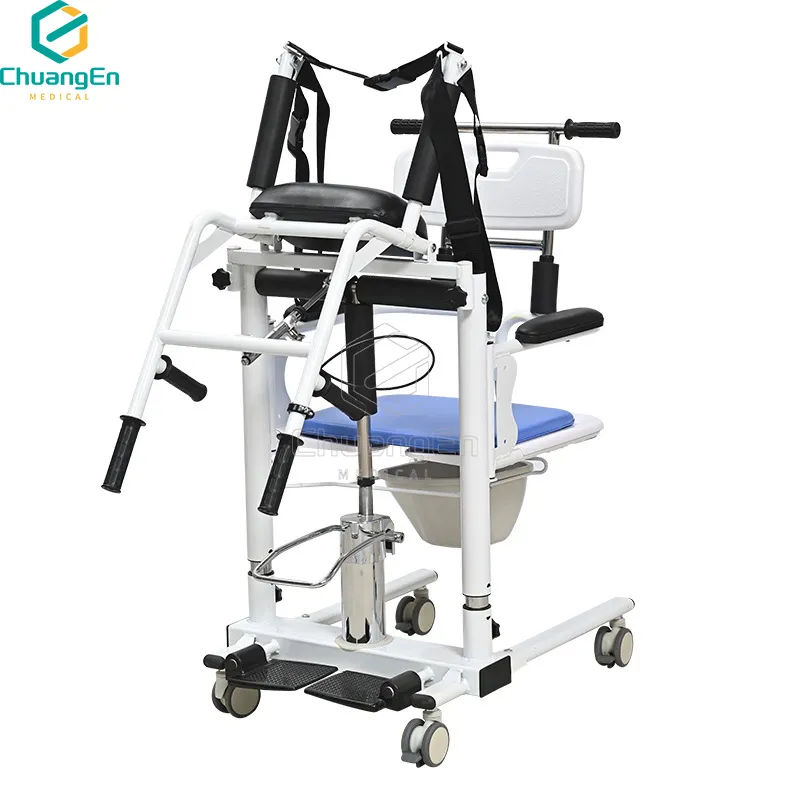
To be honest, a standard transport chair is fine for corridors and quick appointments. But when you factor in safe patient handling, bed-to-chair transfers, and toileting—it’s another story. The CZY-Y06 combines a hydraulic lift, 180° open frame, and a reinforced “back well” structure to stabilize load. It’s not just a chair; it’s a transfer system that eases workloads for caregivers and reduces awkward maneuvers for patients. Many customers say the “free height adjustment” is the difference between a risky lift and a routine one.
Snapshot specs (real-world use may vary)
| Model | CZY-Y06 Hydraulic Transfering Patient Lift With Commode |
| Frame & Build | Powder-coated steel frame; auxiliary lift bracket; back “well” reinforcement design |
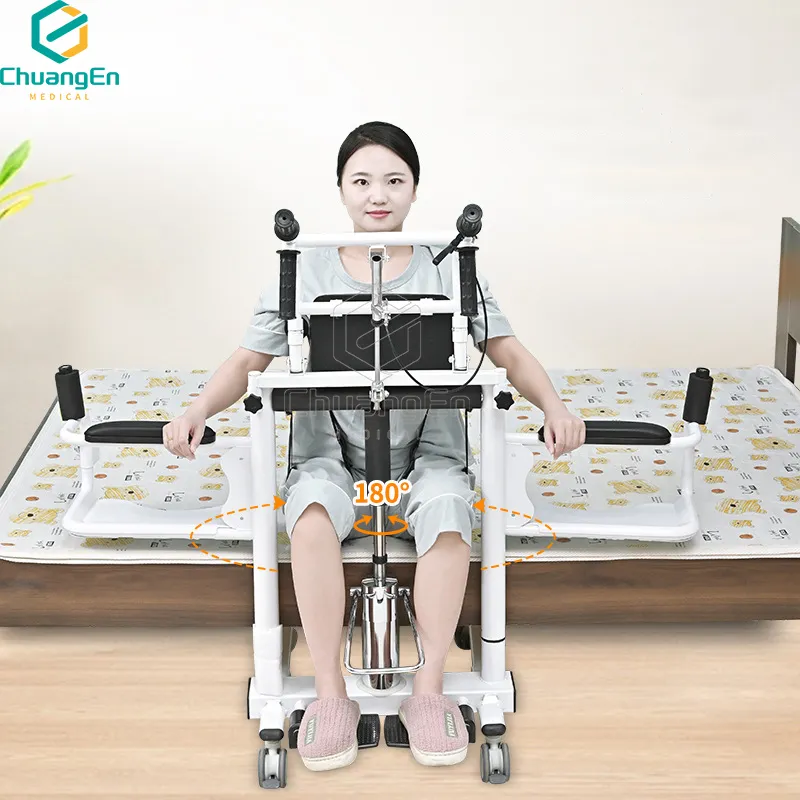
| Lift Type | Manual hydraulic; free height adjustment; ≈ 180° open base for furniture clearance |
| Typical Load Capacity | ≈ 150–180 kg (verify with supplier; test data below) |
| Seat/Commode | Integrated commode; removable bucket; easy clean surfaces |
| Caster System | Medical-grade casters with brakes (size varies by configuration) |
| MOQ | 1 piece |
Where it fits: hospitals, rehab, and home care
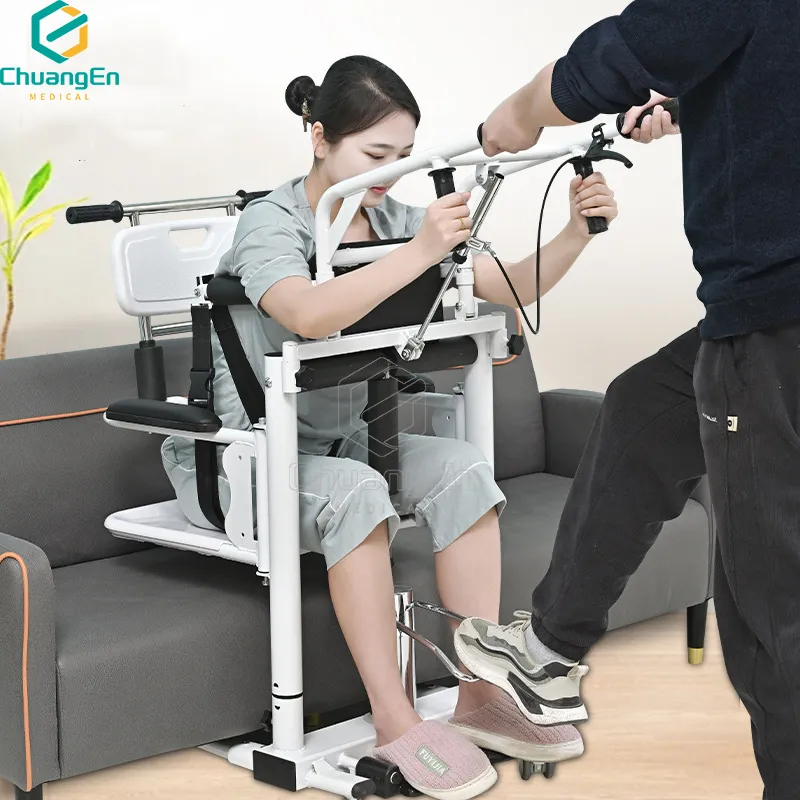
- Bed-to-wheelchair-to-toilet transfers without extra slings in tight rooms.
- Post-op wards and LTC facilities aiming to cut two-person lifts to one-person assists.
- Home care where storage is tight but daily toileting and shower-adjacent transfers are non-negotiable.
Actually, the 180° open framework is the unsung hero here—getting legs around sofa bases, commodes, or wheelchair footplates matters more than glossy brochures admit.
How it’s built (materials → methods → testing → service life)
Materials: powder-coated steel, medical-grade polymers for seat/commode, corrosion-resistant fasteners. Methods: welded joints, hydraulic cylinder assembly, multi-layer coating for abrasion resistance. Testing standards: typically validated against ISO 10535 hoist requirements (static/dynamic load tests, stability), with risk management under ISO 14971. Service life: around 5–7 years under routine clinical maintenance; hydraulic seals may require periodic checks.
Certifications and indicative test data
- Compliance aim: ISO 10535 hoists; EU MDR 2017/745 CE-mark pathways; OSHA-aligned safe patient handling programs.
- Factory bench tests (sample lot, internal): static load ≈ 1.25× rated; cycle test ≈ 10,000 lift cycles; caster brake hold on 5° incline. Real-world use may vary.
- Bioburden and cleaning compatibility validated on common disinfectants (per internal protocols; request report).
Vendor comparison (quick glance)
| Vendor | Frame/Lift | Cert Path | Lead Time | MOQ | Notes |
|---|---|---|---|---|---|
| Chuangen Medical (CZY-Y06) | Steel / Hydraulic | ISO 10535 target; MDR CE (confirm docs) | Around 2–4 weeks | 1 | Reinforced back well; 180° open |
| Vendor A | Aluminum / Electric | CE/FDA listed (model-dependent) | ≈ 4–6 weeks | 5–10 | Quieter motor; higher price band |
| Vendor B | Steel / Manual | Basic compliance; request test data | ≈ 3–5 weeks | 3 | Budget option; fewer accessories |
Customization and accessories
Color finishes, caster sizes, and commode bucket types are commonly requested. In fact, some facilities ask for wider seats and upgraded brake pedals for shoe-friendly operation. I guess that’s a small tweak with big daily impact.
Case study and feedback
A mid-size rehab center reported transfer time per patient drop by ≈28% over a month after switching two bays to the CZY-Y06, with fewer “second helper” calls. Caregivers mentioned the auxiliary lift bracket gives confidence, especially with taller patients. Patients? “Less jostling,” one said—anecdotal, sure, but it tracks with the reinforced design.
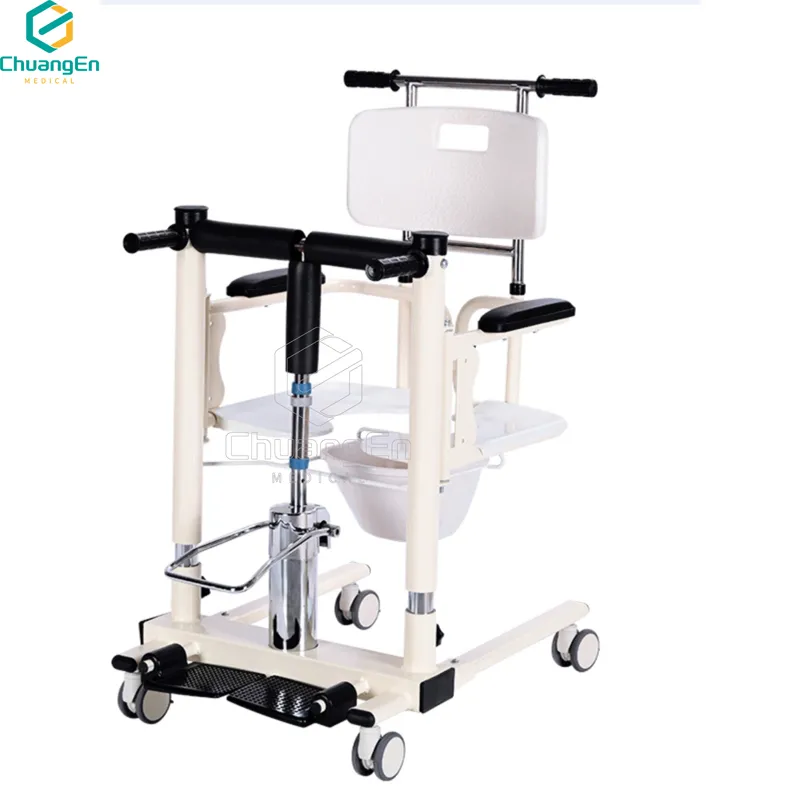
If your shortlist says Transport Chairs For Sale, don’t overlook lift-commode hybrids. This one’s pragmatic: hydraulic reliability, 180° clearance, and single-piece MOQ. As always, ask for the latest test reports and certificates before purchasing.
Authoritative citations
- ISO 10535: Hoists for the transfer of disabled persons—Requirements and test methods.
- ISO 14971:2019 Medical devices—Application of risk management to medical devices.
- EU MDR 2017/745—Regulation (EU) on medical devices.
- OSHA: Safe Patient Handling and Mobility (SPHM) guidelines.