Why Air Bed Mattresses for Bed Sores Matter Globally
Pressure ulcers, or bed sores, are a widespread and persistent health challenge affecting millions worldwide. For people confined to beds for extended periods—whether due to age, injury, or illness—the risk is alarmingly high. These wounds don't just cause physical pain; they can complicate recovery, lengthen hospital stays, and increase healthcare costs. Enter the air bed mattress for bed sores, a highly specialized product designed not just to protect the skin but to support patient recovery and dignity. Understanding these mattresses offers global value: from hospitals in high-tech urban centers to disaster zones where makeshift healthcare is the norm, preventing pressure ulcers is a universal concern.
The Global Context: Why This Matters Today
According to the World Health Organization, pressure ulcers affect approximately 10% to 20% of hospitalized patients globally—a number some experts argue is still underestimated. The UN’s focus on universal healthcare and aging populations also points to a growing demand for clinical support tools like air mattresses designed to mitigate these issues. Moreover, as longevity increases, chronic immobility is a bigger issue, making us ask: shouldn't better preventative technologies be more accessible and efficient everywhere?
Frankly, the challenge is twofold: creating effective, durable solutions while keeping them affordable for less-developed regions. That’s where the air bed mattress for bed sores consistently emerges as a meaningful answer, blending innovation with care.
What Exactly Is an Air Bed Mattress for Bed Sores?
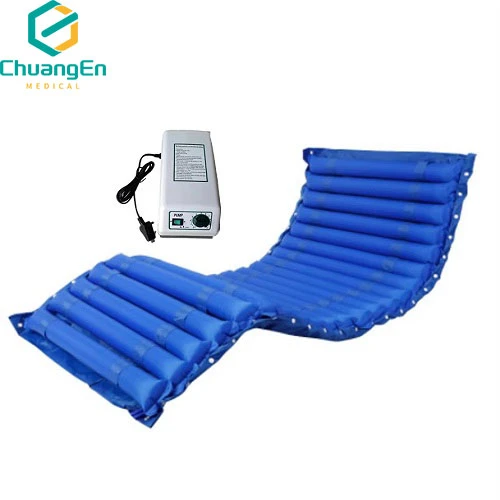
Simply put, an air bed mattress for bed sores is a specialized mattress that uses alternating or continuous air pressure to redistribute body weight and relieve pressure points. This helps to prevent skin breakdown and enhances blood circulation, particularly important for patients confined to bed.
These mattresses represent a meeting point of healthcare innovation and compassionate design, addressing a very clear humanitarian and clinical need. Beyond hospitals, they find their place in home care and emergency medical deployments, where traditional bedding falls short.
Key Features That Define These Mattresses
- Air Pressure Regulation: Cycles or maintains pressure to alleviate skin stress.
- Durable Materials: Often medical-grade vinyl or nylon, designed for hygiene and longevity.
- Portability & Power Use: Many models balance energy efficiency while remaining lightweight enough for transport.
- Adjustability: To accommodate different patient weights and sensitivities.
- Ease of Cleaning: Critical for infection control in clinical settings.
Mini Takeaway
Understanding these features helps caregivers select mattresses that truly suit their patients’ needs, blending comfort with clinical function.
Global Applications and Use Cases
In real-world terms, air bed mattresses are proving indispensable beyond traditional healthcare settings.
- Hospitals in High-Income Countries: Routine use for immobile surgical or ICU patients to prevent complications.
- Home Care Settings: Support for chronic patients, reducing frequent hospital visits.
- Disaster Relief Operations: Portable versions deployed in refugee camps or after natural disasters to provide immediate skin protection in makeshift care environments.
- Developing Regions: Partnerships with NGOs to improve patient outcomes where resources are scarce.
For example, in Japan’s extensive aging society, caregivers use advanced air mattresses integrated with digital monitoring to catch early signs of pressure sores, lowering incidence rates significantly.
Advantages and Long-Term Value
Surely the obvious benefit is prevention—fewer bed sores equate to lower treatment costs and better patient wellbeing. However, there’s a layered value here:
- Cost Reduction: Less costly wound care and faster recovery.
- Physical Safety: Reduced risk of infection and serious complications.
- Emotional & Social Impact: Patients maintain dignity and comfort, essential for morale, especially in long-term care.
- Reliability: Proven technology that doesn’t rely solely on nursing vigilance.
Plus, manufacturers are increasingly emphasizing sustainability—using recyclable materials or low-energy pumps—making these mattresses more eco-friendly over time.
What to Look for? A Quick Specification Table
| Specification | Typical Value | Comment |
|---|---|---|
| Material | Medical-grade PVC or Nylon | Easy to clean & durable |
| Weight Capacity | Up to 250 kg | Supports larger patients |
| Power Source | AC/DC with Battery Backup | Ensures continuous operation |
| Pressure Cycles | 5 to 15 minutes | User adjustable for patient comfort |
| Noise Level | Below 30 dB | Quiet for patient rest |
How Suppliers Stack Up: Vendor Comparison
| Vendor | Price Range | Product Range | Warranty | Unique Feature |
|---|---|---|---|---|
| ChuangEn Medical | $$$ | Wide (ICU & Home Use) | 2 years | Durable nylon air cells, low energy pumps |
| MediComfort | $$$$ | Exclusive hospital-grade | 3 years | Digital pressure monitors |
| HealTex | $$ | Home-care focus | 1 year | Simple controls, easy setup |
The Future Is Now: Trends & Innovations
Digitization is subtly creeping in—sensors embedded to provide real-time feedback on pressure points or mattress condition, allowing caregivers to intervene early. Renewable energy is also part of the conversation, with solar-powered units making occasional appearances in remote locations. Plus, new materials like antibacterial fabrics and low-friction coatings promise better hygiene and comfort, not to mention longer product lifespan.
Challenges and Clever Solutions
Of course, air bed mattresses aren’t perfect. Some users note issues like pump noise disturbing patients, susceptibility to punctures, or dependence on consistent power sources. To tackle these, many vendors are focusing on quieter pumps, rugged, multi-layered materials, and battery backups that can manage emergency situations lasting hours. In remote clinics, hybrid solutions pairing manual and automatic inflation help when power is unreliable.
FAQ: Common Questions about Air Bed Mattresses for Bed Sores
- Q: How often should the air bed mattress settings be adjusted?
- A: Settings typically depend on patient weight and comfort, but pressure cycles every 5–15 minutes are common. Caregivers should monitor skin regularly and adjust as needed.
- Q: Can these mattresses be used outside hospitals?
- A: Absolutely. Many models are designed for home care, long-term use facilities, and even emergency relief deployments. Portable designs make them versatile.
- Q: What maintenance is required?
- A: Regular cleaning with disinfectants, inspection for punctures, and pump function checks keep the mattress reliable. Most manufacturers provide clear guidelines.
- Q: Are air bed mattresses a cost-effective solution?
- A: While initial costs may be higher than foam mattresses, they substantially reduce bed sore treatment expenses and hospital stays, proving cost-effective long term.
Conclusion: Making a Difference One Patient at a Time
The air bed mattress for bed sores represents more than just a product; it’s a silent guardian for vulnerable patients globally. Investing in these mattresses means investing in dignity, safety, and improved outcomes. If you’re a healthcare provider or caregiver looking to make that difference, it's worth exploring the options available today.
Take a closer look at ChuangEn’s products at https://www.chuangenmedical.com and see how comfort meets innovation in preventing bed sores.
References: