Understanding Air Bed Mattress for Patients: A Modern Healthcare Essential
It's fascinating how a seemingly simple product like an air bed mattress for patients can carry such weight in global healthcare contexts. From preventing pressure ulcers to ensuring patient comfort during lengthy hospital stays, these mattresses play a pivotal role. Beyond mere comfort, they address critical challenges faced by medical staff and patients alike — that's why understanding their purpose and design is more than a niche interest.
Why Air Bed Mattresses for Patients Matter Worldwide
The global healthcare sector is under constant pressure to improve patient outcomes while balancing cost and sustainability. According to WHO estimates, pressure ulcers (bedsores) affect millions annually, often due to prolonged immobility. Enter the air bed mattress for patients — a practical solution that cushions and redistributes pressure, reducing risks and improving recovery rates.
This matter extends beyond hospitals. In aging populations across Europe, Japan, and North America, demand for such support surfaces continues to grow. Meanwhile, healthcare facilities in developing countries grapple with affordability and durability issues, making the need for reliable, cost-effective air mattresses even more urgent.
What Exactly is an Air Bed Mattress for Patients?
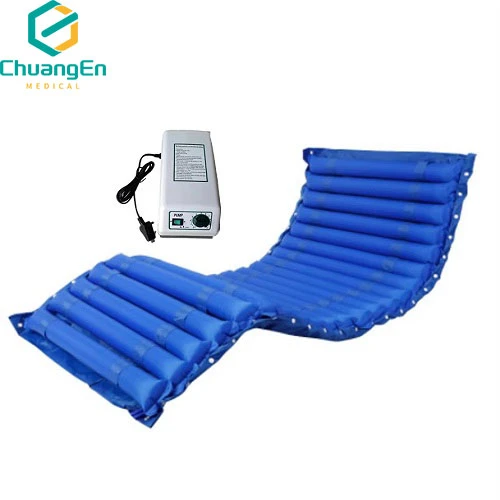
Simply put, an air bed mattress for patients is a specialized mattress that uses air cells or chambers to provide adjustable pressure relief and support. Unlike traditional foam or spring mattresses, these use a network of interconnected air pockets — often controlled by a pump system — to redistribute weight evenly.
Designed to prevent pressure ulcers and enhance comfort, these mattresses have become indispensable in clinical care, rehabilitation centers, and home care settings. They reflect a blend of medical insight and engineering, tailored to human needs.
Core Components That Define Their Functionality
1. Alternating Pressure System
Many air bed mattresses feature alternating pressure technology. By cyclically inflating and deflating air cells, this mechanism stimulates blood flow and prevents tissue breakdown.
2. Material Durability and Hygiene
The mattress cover must be both waterproof and breathable. Materials like medical-grade PVC or urethane ensure durability and ease of cleaning, crucial in infection control.
3. Weight Capacity and Adjustability
Designed to accommodate various patient sizes, most models support weights upwards of 300 lbs, with adjustable firmness tailored to individual comfort.
4. Pump Mechanism and Noise Levels
The performance of air pumps directly impacts patient experience. Models now increasingly focus on whisper-quiet operation — you don't want a noisy machine disturbing fragile sleep.
5. Portability and Ease of Use
Especially relevant in field hospitals and home care, lightweight, foldable designs with intuitive controls make deployment practical and less daunting.
Mini Takeaway:
The intricacies behind these mattresses reveal why they're more than just comfort items — they're engineered tools in the fight against serious health issues like pressure ulcers.
How Air Bed Mattresses Are Used Around the Globe
From urban hospitals in New York to remote relief camps in Southeast Asia, the applications of air bed mattresses vary but share the same goal — preserving patient well-being.
- Post-Disaster Relief: In earthquake or flood zones, temporary medical shelters rely on lightweight air mattresses for quick patient care.
- Long-Term Care Facilities: Elderly care homes in Europe deploy these mattresses extensively to maintain skin integrity in immobile residents.
- Home Healthcare: Patients recovering from surgeries or chronic illnesses at home benefit from adjustable pressure support without hospital stays.
- Developing Countries: NGOs and international organizations provide rugged, affordable options to regions lacking advanced hospital infrastructure.
- Military Field Hospitals: Mobility and durability are critical here; air bed mattresses meet these often harsh environment demands.
Mini Takeaway:
Versatility is key. Whether a makeshift clinic after a tsunami or an assisted living room, air bed mattresses adapt to save lives and safeguard dignity.
Advantages and Long-Term Value From Patient and Provider Perspectives
Beyond preventing pressure sores, air bed mattresses deliver:
- Cost Efficiency: Reduced incidence of wounds means fewer treatments and hospital readmissions.
- Patient Safety: Even pressure distribution lessens discomfort and physical harm.
- Improved Healing: Better circulation accelerates recovery.
- Emotional Well-being: Comfort promotes rest, essential in healing.
- Trustworthy Innovation: Brands continuously incorporate new materials and quieter pumps to enhance user experience.
It's a delicate balance — health facilities seek solutions that last while patients want "homey" comfort. Air bed mattresses often bridge this divide well.
Product Specifications at a Glance
| Feature | Typical Specification | Benefit |
|---|---|---|
| Material | Medical-grade PVC with breathable cover | Waterproof, easy to sanitize |
| Weight Capacity | Up to 350 lbs (160 kg) | Supports most patient sizes safely |
| Pressure System | Alternating cycle every 10 minutes | Prevents pressure sores effectively |
| Pump Noise Level | Less than 30 dB (quiet fan) | Undisturbed patient rest |
| Portability | Foldable, lightweight (under 10 kg) | Easy transport & setup in emergencies |
Comparing Leading Air Bed Mattress Vendors
| Vendor | Price Range | Product Variety | Durability (Years) | Warranty |
|---|---|---|---|---|
| ChuangEn Medical | $350 - $600 | Wide (Alternating & Low Air Loss) | 5+ | 3 years |
| MedLine | $400 - $700 | Medium | 4 | 2 years |
| SleepSafe Tech | $500 - $800 | Limited | 6 | 5 years |
Future Trends and Innovations
Oddly enough, the future of air bed mattresses isn’t just about softer cushions. Engineers are developing smart air bed mattresses that adjust in real-time to patient movements and biometric signals, reducing human error or neglect in repositioning schedules.
Additionally, sustainability is gaining traction: incorporating recyclable materials and energy-efficient pumps aligns with global healthcare goals on carbon footprint reduction.
Some startups are even trialing solar-powered units for remote clinics—imagine that, a mattress working off the sun in the heart of rural Africa.
Challenges and Solutions in Current Use
No product is perfect, of course. Current challenges include:
- Initial Cost: While long-term savings exist, upfront prices can be off-putting.
- Mechanical Failures: Air pumps can malfunction or create noise, disturbing patients.
- Maintenance: Covers and pumps require upkeep to prevent leaks or hygiene problems.
However, innovations in design for easier pump servicing and antimicrobial covers help alleviate these. User education also plays a massive role in ensuring devices work as intended.
FAQ: What You’re Really Asking About Air Bed Mattresses for Patients
- Q1: Can air bed mattresses completely prevent pressure ulcers?
- While they significantly reduce the risk by redistributing pressure, factors like patient mobility and skin condition also matter. They’re best used as part of comprehensive care strategies.
- Q2: How noisy are the pumps typically?
- Modern designs keep noise levels below 30 decibels—roughly a whisper. Still, some noise is unavoidable but generally not disruptive.
- Q3: Are these mattresses easy to clean?
- Yes, most come with waterproof, wipeable covers made from antimicrobial materials to simplify hygiene especially in clinical environments.
- Q4: How portable are these beds for emergencies?
- Many models fold and weigh under 10 kg, making them practical for quick deployment by first responders or NGOs.
- Q5: Do insurance providers usually cover air bed mattresses?
- Coverage varies by region and policy. Often, if prescribed by a healthcare professional, they qualify under durable medical equipment.
Conclusion: Why Investing in Air Bed Mattresses is a Win for Healthcare
All things considered, air bed mattresses for patients are more than just a comfort upgrade — they’re a proven clinical support tool with economic, social, and health benefits. As technology progresses, expect these mattresses to become smarter, greener, and more user-friendly.
For any institution or caregiver looking to improve patient care and reduce long-term costs, these devices are worth a serious look. Curious? Explore the latest air bed mattress for patients and discover what fits your needs best.
References
- World Health Organization. "Pressure Ulcers." Retrieved from WHO Fact Sheet.
- International Organization for Standardization (ISO). "Medical Devices - Pressure Redistribution Surfaces." ISO 16840 Series.
- United Nations Office for Disaster Risk Reduction. "Health Care Preparedness and Equipment." UNDRR Reports.