What Is an Alternating Air Pressure Mattress Pad & Pump and System — And Why Should You Care?
If you’ve never thought about how crucial pressure relief is to bedridden patients or long-haul care facilities, you’re not alone. But here’s the thing: an alternating air pressure mattress pad & pump and system is a game changer in the world of wound care, especially when we consider global healthcare challenges. In a nutshell, this technology helps prevent pressure ulcers—commonly known as bedsores—by constantly redistributing pressure on the skin.
Why does this matter beyond the hospital ward? Because the World Health Organization estimates that chronic wounds and pressure injuries affect millions worldwide, especially the elderly and disabled. The alternating air pressure mattress system is a practical, adaptive solution that supports comfort, safety, and dignity for vulnerable individuals, thereby easing healthcare costs and improving quality of life everywhere.
alternating air pressure mattress pad & pump and system isn’t just a technical phrase; it’s a lifeline, literally.
How Alternating Air Pressure Mattress Systems Fit Into the Global Healthcare Puzzle
Let’s zoom out for a sec. The UN reports aging populations are soaring—not just in high-income countries, but also in emerging economies. Meanwhile, healthcare systems worldwide are under pressure (pun intended) to manage chronic wounds more effectively. Bedsore care costs billions annually, often stretching already fragile budgets. Here’s where alternating air pressure mattress systems come into play.
This tech isn’t new but its global relevance has intensified with longer hospital stays and home-care trends. According to ISO standards and studies, a properly managed alternating pressure system can lower the risk of pressure ulcers by up to 60%. Yet, gaps in access persist. Rural clinics or disaster-relief scenarios often lack this equipment. So, the challenge is clear: how to scale use while keeping it affordable and reliable. As we unpack it all, you’ll see how this device keeps evolving, meeting real-world demands.
Mini takeaway:
Using alternating air pressure mattress pad & pump and systems is proven, essential, and increasingly vital worldwide as demographics and healthcare delivery change.
Breaking It Down: What Exactly Is an Alternating Air Pressure Mattress Pad & Pump and System?
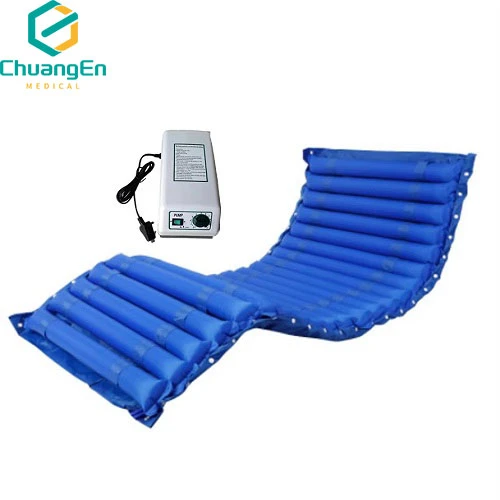
Say the whole phrase five times fast and you get the gist—it’s basically a mattress with air cells that inflate and deflate in cycles, connected to a pump that controls air pressure shifts. This system works by alternating pressure points to improve blood flow, reducing tissue breakdown. Put simply: it’s medical engineering meeting common sense.
Today’s alternating air pressure mattress pads are flexible, lightweight, and designed to fit over existing beds, making them practical at hospitals, nursing homes, and even home care. The pump itself is usually a quiet, compact device with adjustable settings tailored to a patient’s needs.
By controlling air inflation cycles, the alternating air pressure mattress pad & pump and system helps combat one of the healthcare world’s stubborn problems—pressure ulcers—that can lead to infections, longer hospital stays, and reduced mobility.
Mini takeaway:
This system is a smart blend of comfort and technology, uniquely designed to protect skin and promote healing.
Key Factors Behind Alternating Air Pressure Mattress Pads & Pump Systems
Let’s break down what really counts when choosing or evaluating these systems:
1. Durability and Material Quality
The mattress pad should be made from breathable, waterproof materials that resist tears and microbial growth. Many manufacturers opt for medical-grade PVC or nylon blends, ensuring longevity under constant use.
2. Adjustable Pressure Settings
Not all patients need the same pressure level. The best systems offer multiple pressure settings, allowing caregivers to customize therapy based on body weight, sensitivity, or wound condition.
3. Pump Noise and Energy Consumption
Silent or low-noise pumps prevent disturbance, especially in sleep care. Simultaneously, minimizing electricity use is critical—not just for cost but also for environmental reasons in facilities around the world.
4. Easy Maintenance and Cleaning
Healthcare environments require easy-to-clean surfaces to reduce infection risks. System designs that allow quick disassembly or simple wiping down prove invaluable.
5. Portability and Setup
Often underappreciated, a system that’s lightweight and easy to deploy helps caregivers manage patient care effectively, especially during transfer or in emergency contexts.
Mini takeaway:
Durability, customization, quiet operation, hygiene, and portability often determine real-world performance beyond specs sheets.
Where Does This Technology Actually Get Used? Real-World Applications
The applications of alternating air pressure mattress pad & pump and systems span many sectors:
- Hospitals & Elder Care Facilities: Standard equipment in intensive care and rehabilitation wards to prevent pressure injuries.
- Home Healthcare: A rising trend, especially with aging populations opting for at-home care.
- Post-Disaster and Humanitarian Relief: In field hospitals and temporary shelters, such systems help injured or immobilized patients avoid complications.
- Remote Industrial Camps: Mining or oil rigs rely on portable systems for medical emergencies far from hospitals.
- Military Medicine: In tactical field hospitals, lightweight alternating pressure systems have become a necessity.
For example, during the 2015 Nepal earthquake response, portable alternating pressure mattresses played a crucial role in treating immobilized victims, reducing complications despite chaotic conditions.
Mini takeaway:
From urban hospitals to remote disaster zones, this technology adapts to diverse needs, saving costs and lives.
Advantages & Long-Term Value: More Than Just ‘Comfort’
Technically, these systems provide clinical benefits. But honestly, the impact runs deeper:
- Cost Efficiency: By preventing costly pressure ulcers, hospitals avoid extended stays and expensive treatments.
- Improved Patient Quality of Life: Less pain, fewer infections, and a greater sense of dignity.
- Sustainability: Many modern units incorporate energy-saving pumps and recyclable materials.
- Adaptability: Systems can integrate with broader patient monitoring tech, enhancing overall care.
An emotional, human angle emerges here—family members sleep easier knowing loved ones suffer less. Nurses find workflows simplified. That trust in technology isn’t just fancy marketing; it’s real.
Spec Sheet — Typical Alternating Air Pressure Mattress Pad & Pump System
| Feature |
Specification |
| Mattress Size |
80" x 36" x 3" |
| Material |
Medical-grade PVC with Nylon Cover |
| Pump Noise Level |
|
| Pressure Settings |
5 Adjustable Levels |
| Weight Capacity |
Up to 400 lbs (181 kg) |
| Power Requirement |
110-240V, 50/60Hz |
| Warranty |
2 Years |
Vendor Comparison
| Vendor |
Price Range |
Key Features |
Warranty |
Ideal Use Case |
| ChuangEn Medical |
$600 - $900 |
Adjustable pump, antimicrobial cover, quiet operation |
2 years |
Hospitals, home care |
| AirCare Systems |
$700 - $1100 |
Smart pressure monitoring, remote app control |
3 years |
Long-term care, rehabilitation |
| MedRelief Co. |
$550 - $800 |
Lightweight, foldable mattress pad, easy cleaning |
1 year |
Field hospitals, mobile care |
Looking Ahead: What’s Next for Alternating Air Pressure Mattress Systems?
Innovation never sleeps—oddly fitting for something designed to help people rest better. Industry insiders hint at several exciting trends:
- Integration with IoT sensors to track real-time pressure data and patient movement.
- Use of sustainable bio-based materials to reduce environmental footprint.
- Battery-powered, ultra-portable pumps for off-grid or emergency use.
- AI-enhanced algorithms adjusting pressure dynamically per patient feedback.
- Incorporating antimicrobial nanocoatings to further reduce infection risk.
Add digital transformation and green energy initiatives and suddenly these products aren’t just reactive medical aids—they become smart, proactive health tools.
Navigating Challenges & How Industry Experts Solve Them
Of course, no tech is perfect. Some common issues raised are:
- Pneumatic leaks causing pressure drops.
- Noise complaints, especially in sensitive sleep environments.
- Upfront cost barriers for smaller clinics or home users.
- Complexity of use for non-professional caregivers.
The solution? Manufacturers increasingly focus on robust sealing tech, ultra-quiet pumps, modular designs, and user-friendly interfaces. Training programs and clear guidelines help demystify operation. Plus, innovative subscription or rental models democratize access.
Mini takeaway:
Challenges exist, but creative problem-solving is shaping the next-gen alternating air pressure mattress pad & pump and systems that work better everywhere.
Frequently Asked Questions About Alternating Air Pressure Mattress Pad & Pump and Systems
- Q1: How often should the air pressure alternate to effectively prevent pressure ulcers?
- A good alternating air pressure mattress system cycles approximately every 10 to 15 minutes, ensuring consistent pressure relief. However, settings may be customized based on patient weight and risk factors under professional guidance.
- Q2: Can I use an alternating pressure mattress pad on any hospital bed?
- Generally yes. Most pads are designed to fit standard bed sizes and can be placed over foam mattresses. It’s best to check product specifications for compatibility and to follow installation instructions carefully.
- Q3: What maintenance is required for these mattress systems?
- Routine cleaning according to manufacturer guidelines is essential, often involving wiping covers with disinfectants. Pumps should be inspected periodically for leaks or noise changes. Many systems come with replaceable parts for longevity.
- Q4: Are these systems covered by insurance or medical aid schemes?
- This depends on country and provider. Many health insurance plans reimburse for medically necessary alternating air pressure mattress systems, especially for patients at high risk of pressure ulcers. Always verify with your insurer.
- Q5: How portable are these systems for home or emergency use?
- Modern systems vary but many are lightweight (under 10 kg) with compact pumps designed for easy transport. Battery options exist for short-term off-grid use, fitting well in emergency kits or patient transfers.
Wrapping Up: Why Alternating Air Pressure Mattress Pad & Pump and Systems Matter for Long-Term Care
When you consider patient comfort, healthcare cost savings, and ease of use together, alternating air pressure mattress pad & pump and systems are clearly not a luxury—they’re essential. The systems represent a fusion of patient-centered design and practical innovation, evolving with global healthcare needs.
If you want to explore cutting-edge options or learn more about how these systems can fit your facility or home care needs, you should definitely check out
alternating air pressure mattress pad & pump and system offerings. Better pressure management is not just an investment in equipment—it’s an investment in wellbeing.
Thanks for dropping by this deep dive. Pressure relief isn’t glamorous, but it’s quietly saving lives every day.
References
- World Health Organization – Pressure Ulcers Factsheet
- ISO 80601-2-52:2018 – Medical electrical equipment
- United Nations – Decade of Healthy Ageing 2021–2030