Understanding the Blue Chip Low Air Loss Mattress: A Global Healthcare Essential
At first glance, the term blue chip low air loss mattress might seem quite technical, or maybe, even a bit niche. But in healthcare environments worldwide, this product has carved out a crucial space. Frankly, it’s not just about comfort—it's about improving patient outcomes, preventing complications like pressure ulcers, and supporting caregivers in varied settings from hospitals to home care. Considering billions globally suffer from mobility challenges or chronic wounds, understanding this mattress technology becomes imperative, especially as healthcare standards rise and budgets tighten.
Introduction: Why Blue Chip Low Air Loss Mattresses Matter Globally
The World Health Organization estimates that pressure ulcers affect about 10% of hospitalized patients worldwide — a huge number considering the global population. Additionally, with an aging demographic, especially in North America, Europe, and parts of Asia, preventing such wounds grows even more critical. The blue chip low air loss mattress enters here as a vital solution, offering relief by distributing pressure evenly and minimizing skin moisture buildup.
Think about it: pressure injuries not only cause pain but also drastically extend hospital stays and increase healthcare costs. According to ISO standards on medical devices, devices like advanced mattresses must meet strict criteria for safety and hygiene, contributing to healthcare efficacy globally.
Yet, despite its importance, there’s often confusion about what really sets these mattresses apart and how they integrate into modern care.
Defining the Blue Chip Low Air Loss Mattress
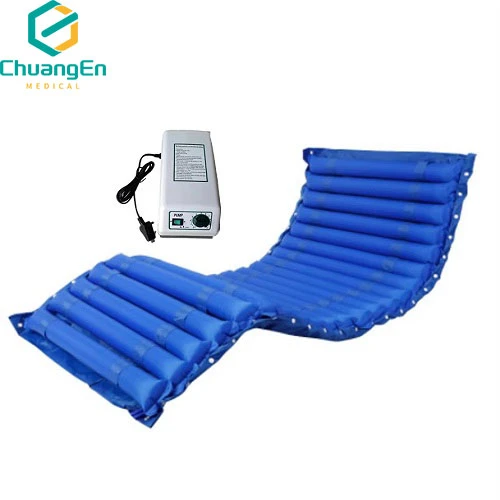
Simply put, a blue chip low air loss mattress is a specialized mattress designed to reduce pressure points through a continuous flow of air, effectively "floating" the patient and minimizing skin contact pressure. It typically incorporates multiple air cells that inflate and deflate in cycles, combined with low air loss technology that allows gentle air to escape, keeping the skin dry and cool.
In the broader healthcare ecosystem, these mattresses are vital for patients with limited mobility—think of spinal injury recovery, long-term elderly care, or even during extensive surgeries. Oddly enough, while high-tech, these systems remain surprisingly user-friendly and adaptable to various clinical settings.
Core Components of Blue Chip Low Air Loss Mattresses
1. Durability and Material Quality
These mattresses use medical-grade, hypoallergenic materials—fully compliant with ISO 14644 standards for cleanroom environments—that resist punctures and microbial growth. This ensures longevity, a must for healthcare facilities juggling heavy usage and infection control.
2. Pressure Redistribution Technology
Multiple air cells with adjustable pressure zones are the heart of this mattress type. They continuously alternate inflation levels to reduce localized pressure—key to preventing ulcers.
3. Moisture and Heat Management
Low air loss works by gently letting dry air escape, reducing moisture buildup on the skin. Managing microclimate is essential since damp skin is prone to breakdown.
4. User Control and Integration
Most products have intuitive digital controls allowing nurses or caregivers to customize pressures per patient need. They can sometimes link with hospital bed controls to sync movements and alarms.
5. Portability and Maintenance
While some models are robust and fixed, others are designed to be mobile, useful in home care or field hospitals. Easy cleaning routines reduce downtime.
Spec Table: Typical Blue Chip Low Air Loss Mattress Features
| Feature | Specification | Benefit |
|---|---|---|
| Air Cells Count | 20–24, segmented | Enhanced pressure redistribution |
| Weight Capacity | Up to 350 kg (770 lbs) | Accommodates diverse patient needs |
| Pressure Range | 20–60 mmHg adjustable | Customization for skin sensitivity |
| Power Source | 110-240V AC / Optional battery backup | Reliable operation during power interruptions |
| Cover Material | PU-coated nylon, waterproof & breathable | Prevents fluid seepage and allows air flow |
Global Applications and Use Cases
- Hospitals and Long-Term Care: Predominantly in ICU wards and nursing homes, where risk of pressure ulcers is very high.
- Disaster Relief & Field Hospitals: Portable versions of these mattresses aid in remote deployments, supporting patients in post-disaster zones from Southeast Asia to sub-Saharan Africa.
- Home Healthcare: Aging-in-place programs rely on these mattresses to keep patients safe without hospital stays.
- Military & Defense: Advanced low air loss mattresses are standard for injured soldiers where transport durations can be long and cushioning critical.
For instance, a relief organization in the Caribbean reported a 30% reduction in pressure ulcer cases during hurricane relief after deploying blue chip low air loss mattresses in temporary clinics.
Advantages and Long-Term Value
The immediate benefits are clear: reduced pressure ulcer rates, easier patient repositioning, and improved patient comfort. Long-term, hospitals save on costly ulcer treatment—some estimates suggest savings of thousands per patient annually.
Socially, the mattress restores dignity to individuals by preventing discomfort and skin breakdown that can cause serious infections. For caregivers, the automation and alarms mean less physical strain and more confidence.
Vendor Comparison Table
| Vendor | Price Range | Warranty | Unique Feature |
|---|---|---|---|
| Blue Chip MedTech | $1,200 – $1,800 | 3 years | Integrated patient monitoring interface |
| HealWell Solutions | $1,000 – $1,600 | 2 years | Battery backup for 8 hours |
| SafeRest Healthcare | $1,500 – $2,000 | 5 years | Antimicrobial mattress cover |
Future Trends and Innovations
Looking ahead, the blend of digital and materials innovation hints at exciting possibilities. Smart mattresses with embedded sensors can monitor patient posture and vital signs, alerting staff before damage occurs. Also, manufacturers are exploring bio-based and recyclable materials—quite aligned with global pushes for sustainability in healthcare, as per UNEP guidelines.
Plus, wireless control systems and integration with hospital IT infrastructure are becoming the norm, improving efficiency. Oddly enough, despite the tech, simplicity remains key: if the mattress isn't easy to use, adoption stalls.
Challenges & Solutions
Despite clear benefits, challenges remain. Power dependency can be problematic in regions with unstable electricity. Portability sometimes clashes with durability requirements. Plus, initial costs can deter cash-strapped facilities.
Solutions? Well, modular battery packs and solar-compatible versions are emerging, improving off-grid functionality. Some designs focus on robust yet lightweight materials, balancing ruggedness with ease of transport. Importantly, ongoing staff training enhances user confidence and maximizes the mattress’s effectiveness.
FAQ: Frequently Asked Questions About Blue Chip Low Air Loss Mattress
- What makes blue chip low air loss mattresses better than regular hospital mattresses?
They actively reduce pressure by alternating air cell inflation and simultaneously manage skin moisture and heat, which typical mattresses can’t. This decreases the risk of pressure ulcers significantly. - Can these mattresses be used at home, or are they hospital-only?
Many models are designed for home care, with portability and ease of use in mind. Patients recovering at home or with chronic conditions benefit greatly from them. - Are they compatible with all hospital beds?
Most blue chip low air loss mattresses fit standard hospital bed frames but always verify dimensions and attachment methods before purchase. - How energy-efficient are these mattresses?
Modern versions consume surprisingly low power, with some including energy-saving modes and backup batteries to ensure continuous operation during outages. - Do these mattresses require special cleaning protocols?
The covers are typically waterproof and antimicrobial, easy to wipe down with hospital-grade disinfectants, meeting infection control guidelines.
Conclusion & Call to Action
To sum up, the blue chip low air loss mattress is not just a product but a healthcare cornerstone addressing patient safety, comfort, and cost-efficiency worldwide. Its role in reducing pressure ulcers is invaluable, especially as healthcare systems strive to improve outcomes with limited budgets.
If you want to explore tailored solutions and learn more about these innovative support surfaces, feel free to visit our website. Because frankly, the future of patient care is partly about getting the mattress right.
Mini takeaway: Investing in advanced mattresses like blue chip low air loss models means better healthcare quality, fewer complications, and happier patients — globally.