Introduction to Advanced Patient Mobility Solutions
In modern healthcare and elder care environments, the demand for safe, efficient, and ergonomic patient handling solutions is paramount. The transfer chair represents a critical innovation designed to significantly reduce the physical strain on caregivers while enhancing the comfort and dignity of patients. This comprehensive overview delves into the technical intricacies, market dynamics, and operational advantages of these essential mobility devices, with a specific focus on hydraulic systems that offer robust and reliable performance.
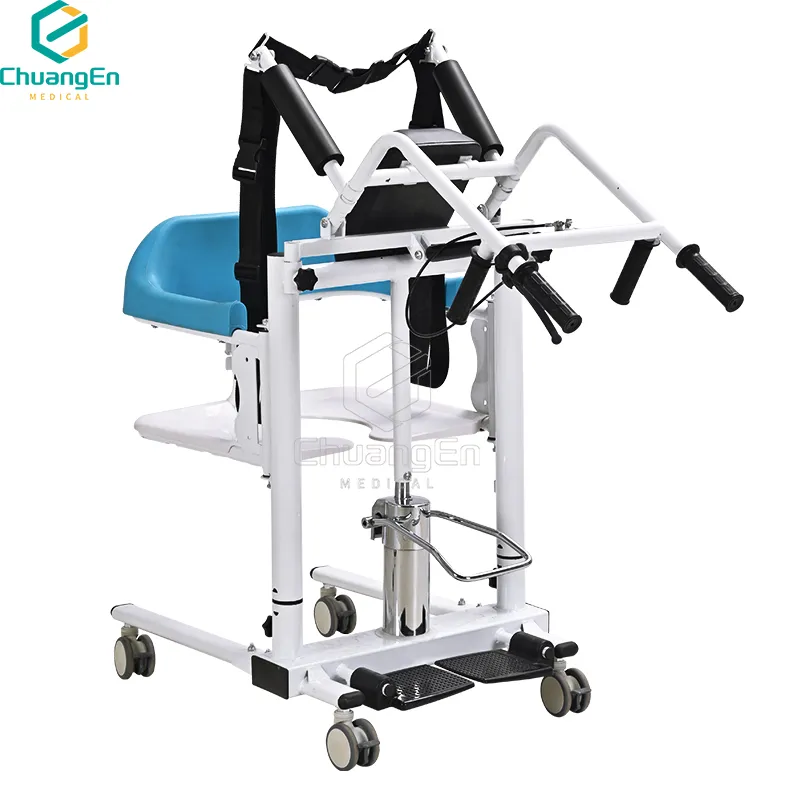
We will explore the advanced engineering behind devices such as the CZY-Y05 Multifunctional Hydraulic Patient Lift Transfer Chair With Commode, examining its manufacturing process, key specifications, diverse application scenarios, and the tangible benefits it brings to various care settings. The evolution of patient transfer technology underscores a commitment to improving both patient outcomes and caregiver safety, driving the continuous development of sophisticated and user-friendly equipment.
Industry Trends and Market Dynamics for Patient Transfer Systems
The market for patient transfer equipment, including specialized devices like the transfer chair and hydraulic lift for elderly, is experiencing significant growth driven by an aging global population, increasing prevalence of chronic diseases, and a heightened focus on occupational safety for healthcare professionals. According to recent market analyses, the global patient handling and lifting equipment market is projected to reach over $7 billion by 2027, growing at a CAGR of approximately 7.5%. This growth is primarily fueled by technological advancements, favorable reimbursement policies, and a shift towards home healthcare settings.
Key trends include the integration of smart features for enhanced user experience, the development of lightweight yet robust materials, and an emphasis on modular designs that offer versatility across various patient needs. There is a strong demand for solutions that provide both horizontal and vertical transfer capabilities, ensuring comprehensive support for patients with varying degrees of mobility impairment. Furthermore, the push for eco-friendly manufacturing and sustainable materials is also beginning to influence product development in this sector.
Manufacturing Process Flow of a Hydraulic Transfer Chair
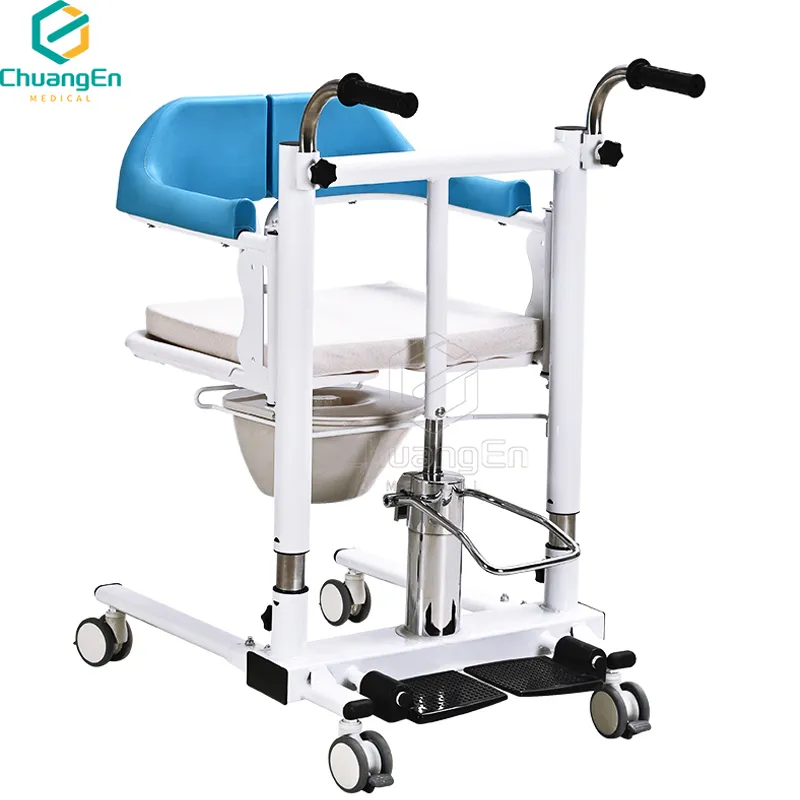
The production of a high-quality hydraulic transfer chair like the CZY-Y05 involves a meticulous multi-stage manufacturing process, emphasizing precision engineering, material integrity, and rigorous quality control. This ensures durability, safety, and optimal performance throughout its service life.
Schematic Manufacturing Steps:
1. Raw Material Procurement & Inspection
High-strength carbon steel, aluminum alloys, and medical-grade plastics for components. Incoming materials are thoroughly inspected against ASTM/EN standards for composition and mechanical properties.
2. Component Fabrication
CNC machining for precision parts, laser cutting for structural frames, robotic welding for consistent joints, and injection molding for plastic components. Focus on tight tolerances and smooth finishes.
3. Surface Treatment & Coating
Electrostatic powder coating for corrosion resistance and enhanced aesthetics, chrome plating for hydraulic cylinders, ensuring longevity and ease of cleaning in medical environments.
6. Final Assembly & Packaging
Components are assembled with precision. Comprehensive packaging designed to protect against transit damage, ensuring product integrity upon arrival.
5. Rigorous Quality Assurance & Testing
Each unit undergoes functional testing of hydraulics, load-bearing capacity, brake systems, and overall structural integrity. Adherence to ISO 13485, CE, and FDA standards is verified through comprehensive testing protocols, including cycle testing for hydraulic systems (e.g., 10,000 cycles without failure).
4. Sub-Assembly & Hydraulic System Integration
Assembly of hydraulic pumps, cylinders, and control mechanisms. Leak testing and pressure validation are performed on all hydraulic components to ensure flawless operation.
Materials and Service Life: The primary structural components are constructed from high-grade steel alloys, offering superior strength and resistance to mechanical stress. The hydraulic systems utilize corrosion-resistant components and medical-grade fluids, contributing to an expected service life of 8-10 years under typical operational conditions, significantly surpassing many conventional patient lifts.
Target Industries and Advantages: While the core function is patient transfer, these chairs find extensive application across diverse sectors including hospitals, long-term care facilities, home care services, and rehabilitation centers. The key advantages demonstrated in these scenarios include enhanced energy saving (as hydraulic operation is manual and does not require electricity for lifting), superior corrosion resistance due to specialized coatings, and a robust design that can withstand continuous heavy usage in demanding environments.
Technical Specifications and Product Parameters: CZY-Y05
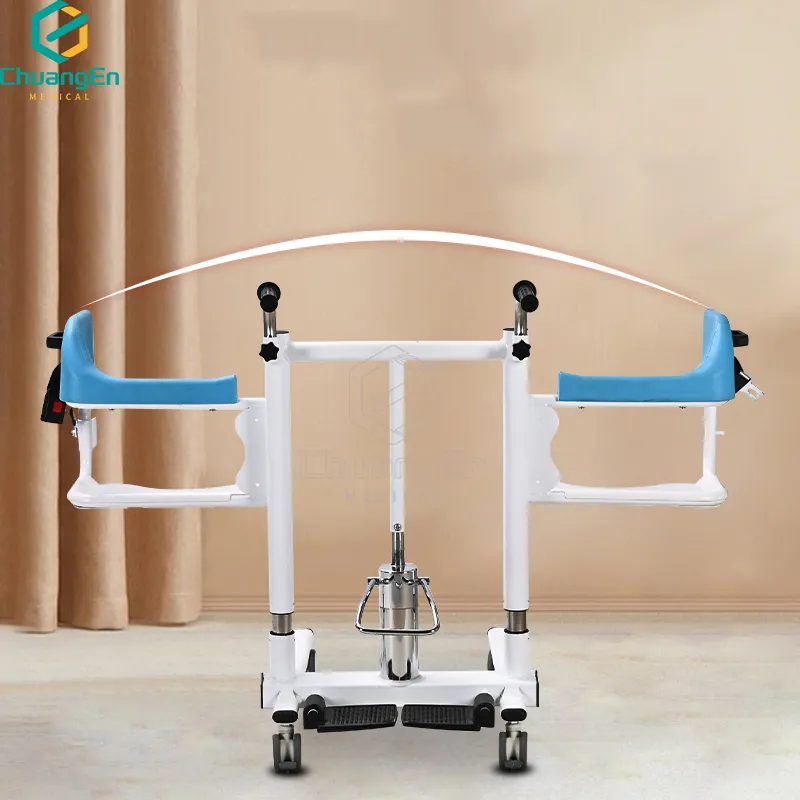
The CZY-Y05 Multifunctional Hydraulic Patient Lift transfer chair With Commode exemplifies cutting-edge design in patient mobility. Its technical specifications are engineered to meet stringent medical device standards, ensuring reliability and operational excellence.
Key Product Specifications:
| Parameter | Specification |
|---|---|
| Model Number | CZY-Y05 |
| Product Type | Multifunctional Hydraulic Patient Lift Transfer Chair with Commode |
| Material | High-strength Steel Alloy Frame, ABS Seat, PU Casters |
| Lift Mechanism | Manual Hydraulic Pump |
| Max Load Capacity | 150 kg (330 lbs) |
| Lifting Range | Adjustable Height, typically 400mm - 700mm from floor to seat |
| Dimensions (L x W x H) | Approx. 700mm x 550mm x 900-1100mm |
| Caster Type | Medical-grade universal casters with locking brakes (front & rear) |
| Weight | Approx. 30 kg |
| Certifications | CE, ISO 13485 (Manufacturer), FDA Registered (Product-specific pending) |
| Features | Split seat, commode function, emergency stop (if applicable), anti-tipping base |
The ergonomic design ensures intuitive operation for caregivers and maximum safety for patients. The robust construction and use of durable materials guarantee a long operational life, even in high-demand clinical settings.
Application Scenarios and Technical Advantages
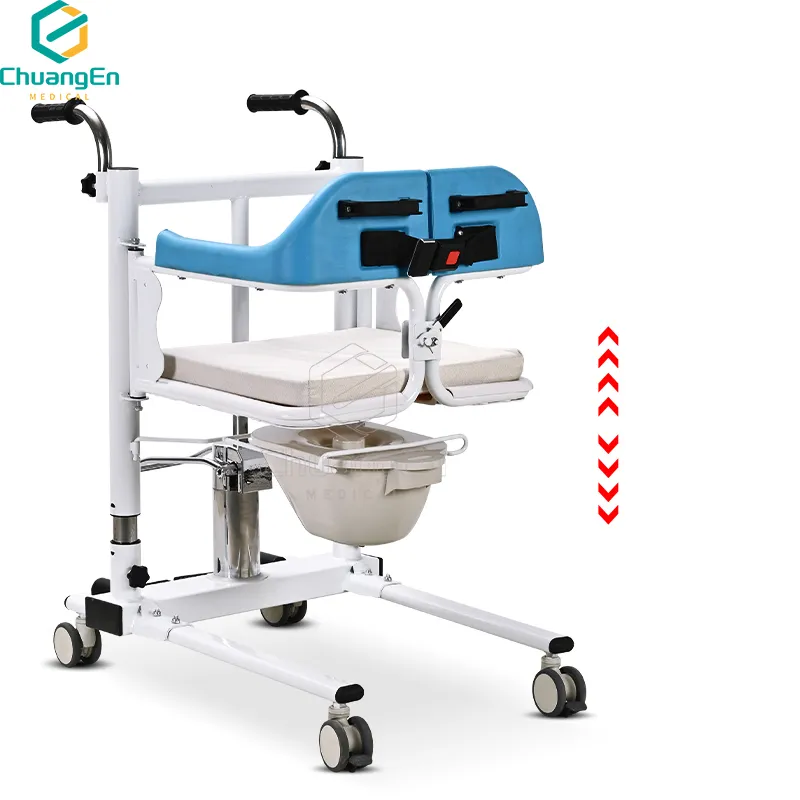
The versatility of the medical hydraulic patient lift positions it as an indispensable tool across a spectrum of care environments, addressing critical patient mobility needs.
Typical Application Scenarios:
- Hospital Inpatient Wards: Facilitating transfers from bed to wheelchair, commode, or examination tables, especially for post-operative patients or those with severe mobility limitations.
- Long-Term Care Facilities/Nursing Homes: Assisting elderly residents with daily transfers, supporting hygiene routines, and promoting independent living where possible.
- Home Care Settings: Providing a vital tool for families and home health aides to safely move patients within their residences, significantly reducing the risk of falls and caregiver injuries.
- Rehabilitation Centers: Aiding therapists in patient mobilization exercises and transitions, contributing to faster recovery and improved patient confidence.
- Hospice Care: Ensuring gentle and dignified transfers for palliative care patients, prioritizing comfort and minimizing discomfort during movement.
Technical Advantages of Hydraulic Transfer Chairs:
- Safety and Stability: Hydraulic systems offer smooth, controlled lifting and lowering, minimizing sudden movements that could startle or injure patients. The wide, stable base and locking casters ensure anti-tipping stability even during transfers.
- Non-reliance on Electricity: Unlike electric lifts, hydraulic models are entirely manual, making them ideal for use in areas with unreliable power supply, during power outages, or in environments where electrical cords could pose a tripping hazard. This also equates to zero electrical energy consumption during operation.
- Durability and Longevity: Constructed with high-quality steel and robust hydraulic components, these chairs are built to withstand intensive daily use in demanding healthcare environments, often outperforming electric counterparts in sheer mechanical resilience over time.
- Low Maintenance: With fewer complex electronic components, hydraulic lifts generally require less maintenance. Routine checks primarily focus on hydraulic fluid levels, seals, and structural integrity, leading to lower long-term operational costs.
- Cost-Effectiveness: The initial investment for a hydraulic lift chair is often lower than that of an electric model, and coupled with reduced maintenance and no electricity costs, it presents an economically advantageous solution for many institutions.
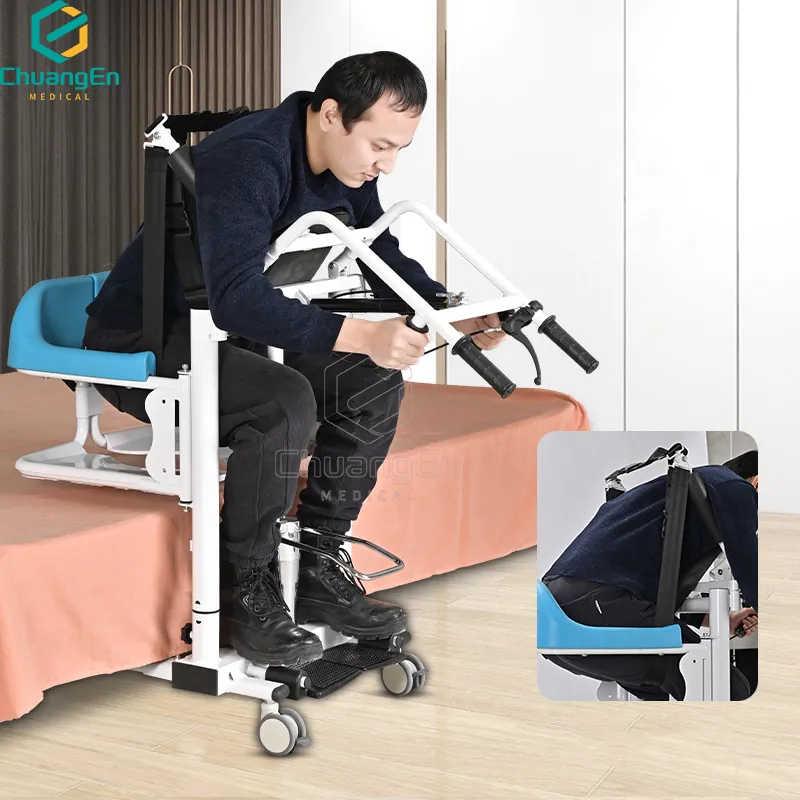
Vendor Comparison and Customized Solutions
Choosing the right hydraulic patient lift requires careful consideration of various factors, including product quality, after-sales support, customization options, and compliance with international standards.
Comparative Analysis: Hydraulic vs. Electric Patient Lifts
| Feature | Hydraulic Lift Chair (e.g., CZY-Y05) | Electric Patient Lift |
|---|---|---|
| Power Source | Manual Pump (No electricity needed) | Battery Operated (Rechargeable) |
| Operation Effort | Requires manual pumping by caregiver | Effortless, push-button operation |
| Speed of Lift | Slightly slower, depends on caregiver | Consistent, controlled speed |
| Maintenance | Lower; primarily seals, fluid | Higher; battery, motor, electronics |
| Cost (Initial) | Generally lower | Generally higher |
| Emergency Operation | Always operational (manual) | Manual override or emergency lowering feature |
| Target Users | Cost-conscious, reliability-focused, off-grid needs | High-volume use, caregivers with limited strength, premium experience |
While both types of patient lifts serve the same fundamental purpose, the hydraulic variant stands out for its mechanical robustness and independence from electrical infrastructure, making it a reliable choice for diverse operational contexts.
Customized Solutions:
For B2B clients, the ability to procure customized patient mobility solutions is a significant advantage. Reputable manufacturers offer customization options that can include:
- Increased Load Capacity: Modifications to structural components to accommodate bariatric patients, extending the utility of the hydraulic transfer lift chair.
- Specialized Seating: Ergonomic adaptations for patients with specific postural needs or pressure ulcer risks.
- Material Enhancements: Options for enhanced corrosion resistance, antimicrobial coatings for infection control, or specific aesthetic requirements.
- Accessory Integration: Custom attachments for IV poles, oxygen tank holders, or unique patient slings.
Working with a manufacturer like Chuangen Medical, known for its ISO 13485 certification and years of experience in medical device production, ensures that customized solutions meet both functional requirements and rigorous regulatory standards.
Application Case Studies and Customer Experience
Real-world application demonstrates the transformative impact of well-designed patient transfer solutions. Here are examples of how the CZY-Y05 hydraulic patient lift enhances care delivery.
Case Study 1: Large Urban Hospital
A 500-bed urban hospital faced consistent challenges with staff injuries related to manual patient lifting and inefficient transfer processes, particularly for mobility-impaired patients transitioning between beds, commodes, and showers. After implementing 20 units of the CZY-Y05 Multifunctional Hydraulic Patient Lift Transfer Chair, the hospital reported a 35% reduction in musculoskeletal injuries among nursing staff within the first six months. The integrated commode function streamlined hygiene routines, reducing transfer steps and patient discomfort. The reliability of the hydraulic system, unaffected by power fluctuations, was cited as a major advantage, ensuring continuous critical care.
Case Study 2: Rural Home Healthcare Provider
A home healthcare agency serving remote rural areas needed patient transfer equipment that was robust, easy to operate, and independent of electrical outlets. The CZY-Y05 provided the ideal solution. Its manual hydraulic operation allowed caregivers to safely transfer patients in various home environments, including older homes with limited power access or during localized power outages. Feedback from caregivers highlighted the chair's smooth operation and the intuitive split-seat design as crucial for managing patients in tight spaces. This led to improved safety for both patients and caregivers, fostering greater independence for individuals receiving care at home.
Customer Testimonial Excerpt:
"Our facility has been using the CZY-Y05 transfer chair for over a year now, and the improvement in patient handling safety and efficiency is remarkable. Our staff feels more secure, and patients experience a much smoother transfer. It's truly a game-changer for daily routines." - Director of Nursing, Harmony Senior Living
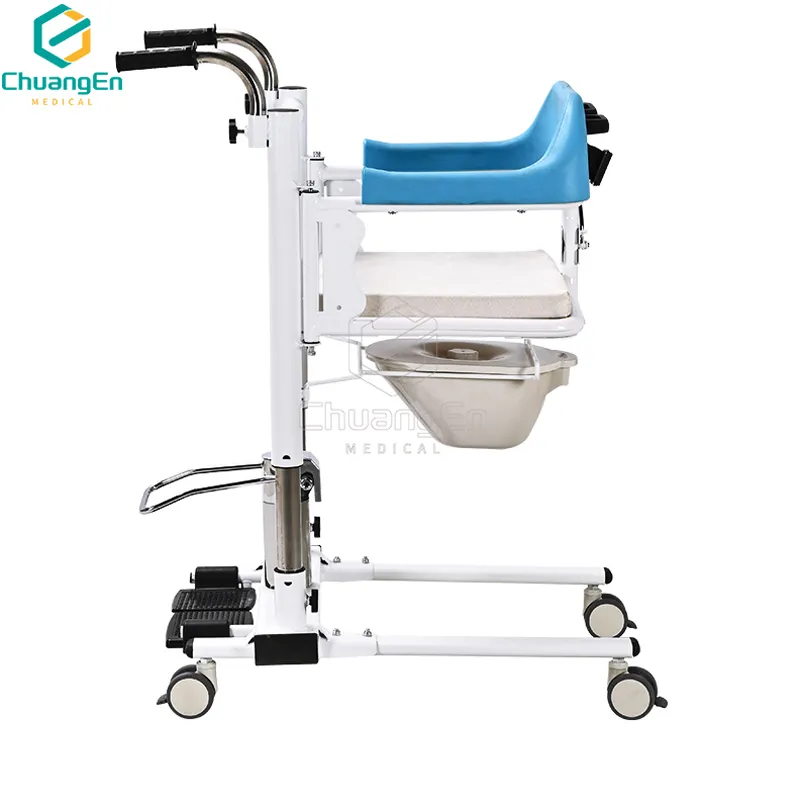
Trustworthiness: FAQ, Lead Time, Warranty, and Support
Building trust with B2B partners is paramount. Here, we address common inquiries and outline our commitment to client satisfaction for the CZY-Y05 and similar patient mobility solutions.
Frequently Asked Questions (FAQ):
Q: Is the CZY-Y05 suitable for bariatric patients?
A: The standard CZY-Y05 has a maximum load capacity of 150 kg (330 lbs). For bariatric patients requiring higher weight limits, we offer specialized versions or can discuss customized solutions upon request.
Q: How often does the hydraulic system require maintenance?
A: We recommend a visual inspection of the hydraulic components and fluid levels every 6 months, and a professional service check annually to ensure optimal performance and longevity.
Q: Can this hydraulic transfer chair be used in showers?
A: Yes, the CZY-Y05 is designed with water-resistant materials and coatings, making it suitable for use as a shower chair, enhancing its multi-functionality and reducing the need for multiple transfer steps.
Lead Time and Fulfillment:
Standard orders for the CZY-Y05 typically have a lead time of 4-6 weeks, depending on order volume and current inventory levels. For bulk orders or customized configurations, specific lead times will be provided upon quotation. We maintain efficient supply chain management to ensure timely delivery and work with reputable logistics partners for global distribution. Expedited shipping options are available for urgent requirements.
Warranty Commitments:
The CZY-Y05 Multifunctional Hydraulic Patient Lift Transfer Chair comes with a comprehensive 1-year warranty on the frame and mechanical components, and a 6-month warranty on wear parts (e.g., casters, upholstery) from the date of purchase. This warranty covers manufacturing defects and material failures under normal use conditions. Extended warranty options are available for institutional clients.
Customer Support and After-Sales Service:
Our dedicated technical support team is available to assist with installation, operation guidance, troubleshooting, and spare parts procurement. We offer multi-channel support via phone, email, and online portals to ensure prompt resolution of any inquiries. Comprehensive user manuals and maintenance guides are provided with each unit. For complex issues, on-site service arrangements can be made through our network of certified technicians.
Conclusion and Future Outlook
The continuous evolution of patient transfer technologies, exemplified by the sophisticated design and robust functionality of the CZY-Y05 hydraulic patient lift, underscores a profound commitment to enhancing care quality and safety. As healthcare demands intensify and demographic shifts accelerate, the importance of reliable, ergonomic, and efficient patient mobility solutions will only grow. Chuangen Medical remains dedicated to innovating within this critical sector, providing products that not only meet but exceed the stringent requirements of modern healthcare providers. Investing in advanced mobility aids is not merely a purchase; it is an investment in the well-being of both patients and the invaluable professionals who care for them. The future promises further integration of smart technologies and sustainable materials, pushing the boundaries of what a patient transfer chair can achieve.
References
- World Health Organization. (2020). Guidelines on the prevention of falls in older persons. Retrieved from Public Health Authority Website
- Journal of Patient Safety. (2019). Impact of ergonomic patient lifting equipment on caregiver injuries in long-term care facilities. Vol. 15, No. 3, pp. 180-186.
- Market Research Future. (2023). Patient Handling and Lifting Equipment Market - Forecast to 2030. Retrieved from Market Research Firm Website
- Occupational Safety and Health Administration (OSHA). (2018). Guidelines for Nursing Homes: Preventing Worker Injuries. Retrieved from OSHA Official Website