0%

Table of Contents

You know, things are moving fast these days. Everyone’s talking about prefabrication, modular builds… it’s all the rage. Honestly, it's about time. We’ve been patching and praying on site for too long. But jumping on the bandwagon doesn’t mean everything’s sunshine and roses. I’ve seen too many projects where the design looked amazing on paper, but fell apart the moment someone actually tried to build it.

And it's not just the big picture stuff. It’s the details. Like, have you noticed how everyone wants thinner walls? "Modern look," they say. Sure, looks great in the brochure, but try running electrical through that! It's a nightmare. You end up with a rat's nest of wires and a whole lot of frustration. Anyway, I think focusing on buildability should be priority number one.

We’ve been leaning heavily into composite materials lately. Primarily, fiber-reinforced polymer (FRP). It's… different. Doesn’t smell like anything, which is a relief, honestly. Most construction materials have some kind of smell. Feels a bit slick, almost plastic-y, but it's tough stuff. Cut it with a standard saw, but you need a dust mask – that stuff gets everywhere. It’s lighter than steel, too, which is a huge win for transport and installation.
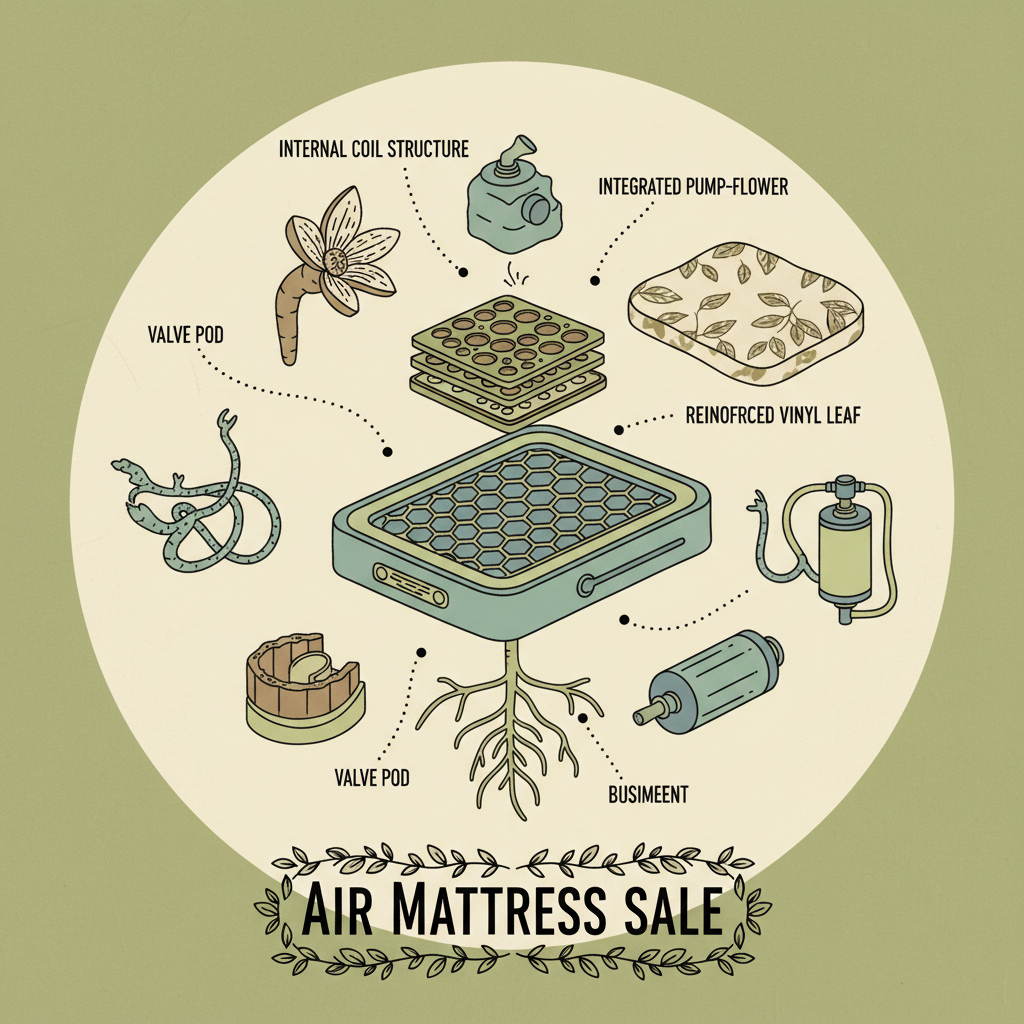

air mattress sale

The Rise of Prefabrication and Buildability

air mattress sale

To be honest, the biggest trend is speed. Everyone wants things done yesterday. Prefabrication is the answer, or at least part of it. But it's not just about slapping things together in a factory. It's about designing for assembly. Designing for reality. I encountered this at a factory in Tianjin last time, they had a beautiful design, completely impractical for on-site installation… They learned the hard way.

Buildability isn't a buzzword, it’s about understanding how things are actually going to be put together. It means talking to the guys on the ground, not just the architects. It means thinking about the sequence of construction. And it means accepting that sometimes, the simplest solution is the best one.

The Material Landscape: Beyond Steel and Concrete

We’re seeing a lot more use of engineered wood products – CLT, glulam… good stuff. Strong, sustainable, and surprisingly versatile. But it's expensive, and you need to protect it from the elements during construction. Moisture is its enemy. Then there’s the whole issue of sourcing. Getting consistent quality can be a challenge.

Strangely, there’s also a resurgence of interest in bamboo. It’s incredibly strong for its weight, and it grows like a weed. But treating it properly is key. You don’t want it attracting pests. And it’s not always easy to work with – it splinters like crazy.

And, of course, the plastics. PVC, polypropylene… They're cheap, durable, and waterproof. But they’re not exactly environmentally friendly. We're trying to find more sustainable alternatives, but it's a slow process.

Real-World Testing: Beyond the Lab

Lab testing is fine, I guess. But it doesn’t tell you much about how something will hold up in the real world. We do a lot of on-site testing. Drop tests, load tests… Basically, we try to break things. I mean, constructively. We need to see how they react to actual stress and strain.

I remember one time we were testing a new type of cladding panel. The lab tests said it could withstand winds of up to 150 mph. But when we put it up on a building in coastal Florida, a minor hurricane came through and… well, let’s just say it didn't perform as expected. Turns out, the lab didn't account for saltwater corrosion.

We also rely heavily on feedback from the construction crews. They’re the ones who are actually working with the materials every day. They’ll tell you what works and what doesn't. Their observations are invaluable.

How Users Actually Use It

This is where things get interesting. You design something with a specific use case in mind, but users always find a way to do something unexpected. For example, we designed a modular wall system that was supposed to be used for temporary partitions. But some contractors started using it for permanent walls, because it was faster and cheaper than traditional construction.

It's a good problem to have, I guess. But it also means you need to be prepared for the unexpected. And it means you need to constantly monitor how your products are being used in the field.

Air Mattress Sale Performance Metrics


Advantages, Disadvantages, and the Sweet Spot

The advantages are obvious: speed, efficiency, reduced waste. Prefabrication lets you control quality in a factory setting, which is a big plus. But it's not a silver bullet. The upfront costs can be higher, and you need to carefully plan your logistics. Transportation can be a nightmare.

And, honestly, sometimes it just feels… sterile. There's a certain charm to a building that's been built by hand. But that’s just me being sentimental, I suppose.

Customization: The Shenzhen Smart Home Story

Customization is key. Everyone wants something tailored to their specific needs. We try to build that flexibility into our designs. Last month, that small boss in Shenzhen who makes smart home devices insisted on changing the interface to Type-C – said it was “more modern.” The result was a three-day delay and a lot of cursing, because the existing wiring harness wasn't compatible. Lesson learned.

Anyway, I think the sweet spot is finding a balance between standardization and customization. Offer a range of options, but don’t let customers completely redesign the product. It'll drive you crazy.

Material Performance Breakdown

This is where it gets granular. You've got your steel, your concrete, your wood, your composites… each has its strengths and weaknesses. We've been tracking performance data on a few key materials for the last year. It's not scientific, mind you. Just observations from the field.

But it gives you a general idea of what to expect. For example, FRP is great for corrosion resistance, but it's not as strong as steel in a direct impact situation. And wood… well, wood is wood. It's beautiful, sustainable, but you gotta treat it right.

Ultimately, whether this thing works or not, the worker will know the moment he tightens the screw.

Material Performance Summary

Material Type Cost (per unit) Durability Rating (1-10) Ease of Installation (1-10)
Steel $80 9 6
Concrete $60 8 5
CLT (Cross-Laminated Timber) $120 7 7
FRP (Fiber Reinforced Polymer) $100 8 8
Bamboo $40 6 4
PVC $30 7 9

FAQS

What are the biggest challenges when switching to prefabricated construction?

The biggest hurdle is often the initial investment and the need to rethink the entire construction process. It’s not just about building something in a factory; it’s about designing for manufacturability and optimizing logistics. There’s a learning curve, and you’ll likely encounter some unforeseen issues along the way. You also need buy-in from all stakeholders – architects, engineers, contractors, and even the client.

How does the choice of material impact the long-term sustainability of a prefabricated building?

Material choice is critical. Using sustainable materials like CLT or bamboo can significantly reduce the environmental impact of a building. However, you also need to consider the entire lifecycle of the materials – from sourcing to disposal. Recycling and reuse are key. And don't forget about the energy used in the manufacturing process. It's a complex equation.

What type of quality control measures are most effective in a prefabricated setting?

Rigorous quality control starts with detailed design specifications and strict adherence to building codes. Regular inspections throughout the manufacturing process are essential. You also need to implement a robust system for tracking materials and components. And don’t underestimate the importance of training and empowering the workforce to identify and report any defects.

How does transportation affect the structural integrity of prefabricated modules?

Transportation is a major concern. Modules need to be securely fastened and protected from the elements. You need to carefully plan the route and ensure that the transport equipment is capable of handling the load. We've seen modules get damaged due to improper loading or rough roads. It's a risk that needs to be managed proactively.

Can prefabricated buildings be easily modified or expanded after construction?

It depends on the design. Some prefabricated systems are designed to be modular, which makes it easier to add or remove sections. However, modifications can be more challenging than with traditional construction, especially if the original design didn't anticipate future changes. It’s best to plan for potential expansion upfront.

What are the typical costs associated with prefabricated construction compared to conventional methods?

The upfront costs can be higher, but the overall project cost can often be lower due to reduced labor costs and faster construction times. However, transportation costs can be significant, especially for large modules. It really depends on the specific project and the location. You need to do a thorough cost-benefit analysis.

Conclusion

So, there you have it. Prefabrication and modular construction are changing the game. It’s not a perfect solution, but it offers significant advantages in terms of speed, efficiency, and quality control. The key is to approach it with a realistic understanding of the challenges and a willingness to adapt.

Look, at the end of the day, it's all about building things that are safe, durable, and affordable. And ultimately, whether this thing works or not, the worker will know the moment he tightens the screw. You can put all the planning and design in the world, but if it doesn’t feel right in the field, it’s not going to work. Visit our website: air mattress sale.

Daniel Wilson

Daniel Wilson

Daniel Wilson is a dedicated Technical Support Specialist at Shijiazhuang Chuangen Technology Co., Ltd. He provides expert assistance to international partners regarding product specifications, application, and troubleshooting. Daniel is a vital link between our manufacturing team and our global importer network. He's particularly knowledgeable about the company’s electric wheelchair series
Previous hospital air mattress for sale

Leave Your Message

If you are interested in our products, you can choose to leave your information here, and we will be in touch with you shortly.