Honestly, the whole hospital bed air mattress for sale thing has been heating up lately. Seems everyone’s looking for comfort and pressure relief, especially with longer hospital stays. It's not just about the patients anymore, either. Nurses are getting more aware of the strain on their backs from transferring patients, and these mattresses help a lot. Been seeing a lot of interest from smaller clinics, too – places that couldn’t afford fancy pressure mapping systems before.
You know, it’s funny, a lot of people designing these things come from a tech background and think they’ve got it all figured out. But trust me, spending a year on construction sites handling materials, you learn a thing or two about what actually works. The biggest trap I see is over-engineering. They want all these fancy features, micro-adjustments, and sensors…but out in the real world, you need something robust and reliable.
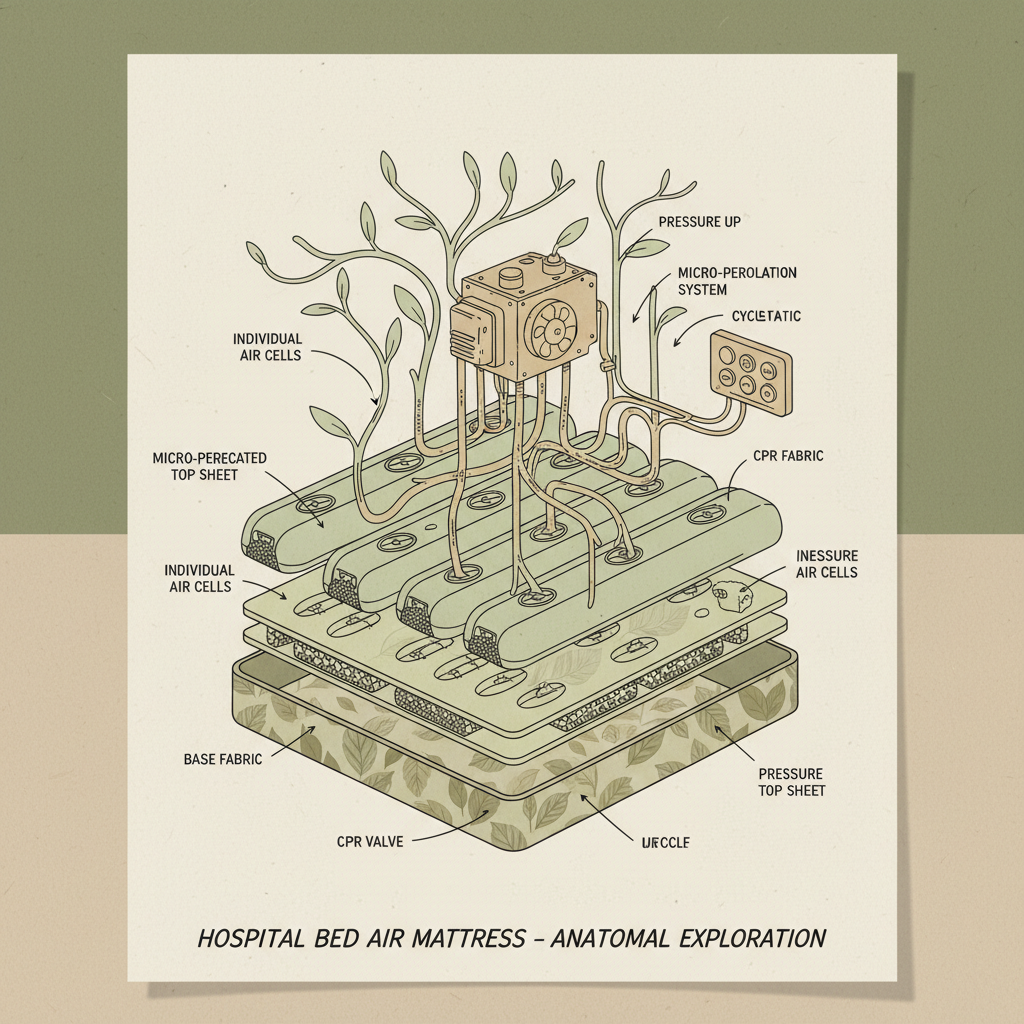
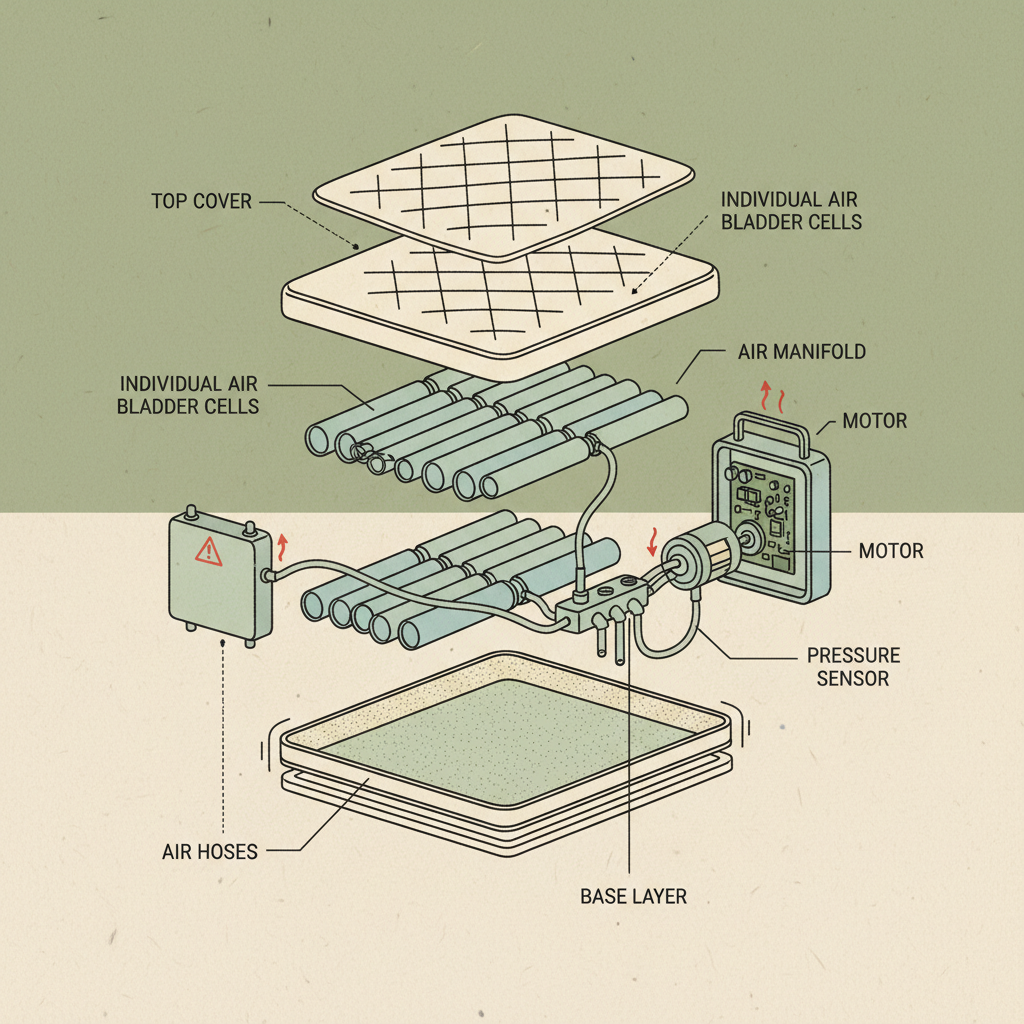
The core of it all is the material. We’re using a multi-layer TPU – thermoplastic polyurethane. It doesn't smell like that awful PVC, thank goodness. It’s got a bit of a rubbery feel, but it’s incredibly durable and resists punctures. You can tell a good TPU just by how it flexes. If it’s too stiff, forget it. It'll crack under pressure. Then there’s the bladder itself, usually nylon reinforced with polyester. I encountered a batch at a factory last time that felt…off. Too thin. The quality control wasn’t up to snuff. Had to send it back.
Introduction to Hospital Bed Air Mattresses
The demand for hospital bed air mattresses for sale is certainly on the rise. It’s a direct response to the growing awareness of pressure ulcers and the need for enhanced patient comfort. We've been seeing hospitals, especially those focused on long-term care, really prioritizing this.
It's not a new concept, obviously. They've been around for years. But the technology’s gotten better – quieter pumps, more responsive air cells, and more durable materials. And it's not just hospitals, either. Home healthcare is a big driver. People want to be comfortable in their own homes, and these mattresses make a huge difference for those confined to bed.
To be honest, I used to think these were just a luxury item, something nice to have if you had the budget. But then I saw the data on pressure ulcer rates, and the cost savings from preventing them… it changed my mind. It's a necessity, really.
Key Materials and Construction
Okay, so let's talk materials. Like I said, TPU is the go-to for the surface. It’s flexible, resistant to tears, and easy to clean. It doesn't get all sticky and gross like some of the cheaper plastics. Have you noticed that? Some of those cheaper mattresses just fall apart after a few months.
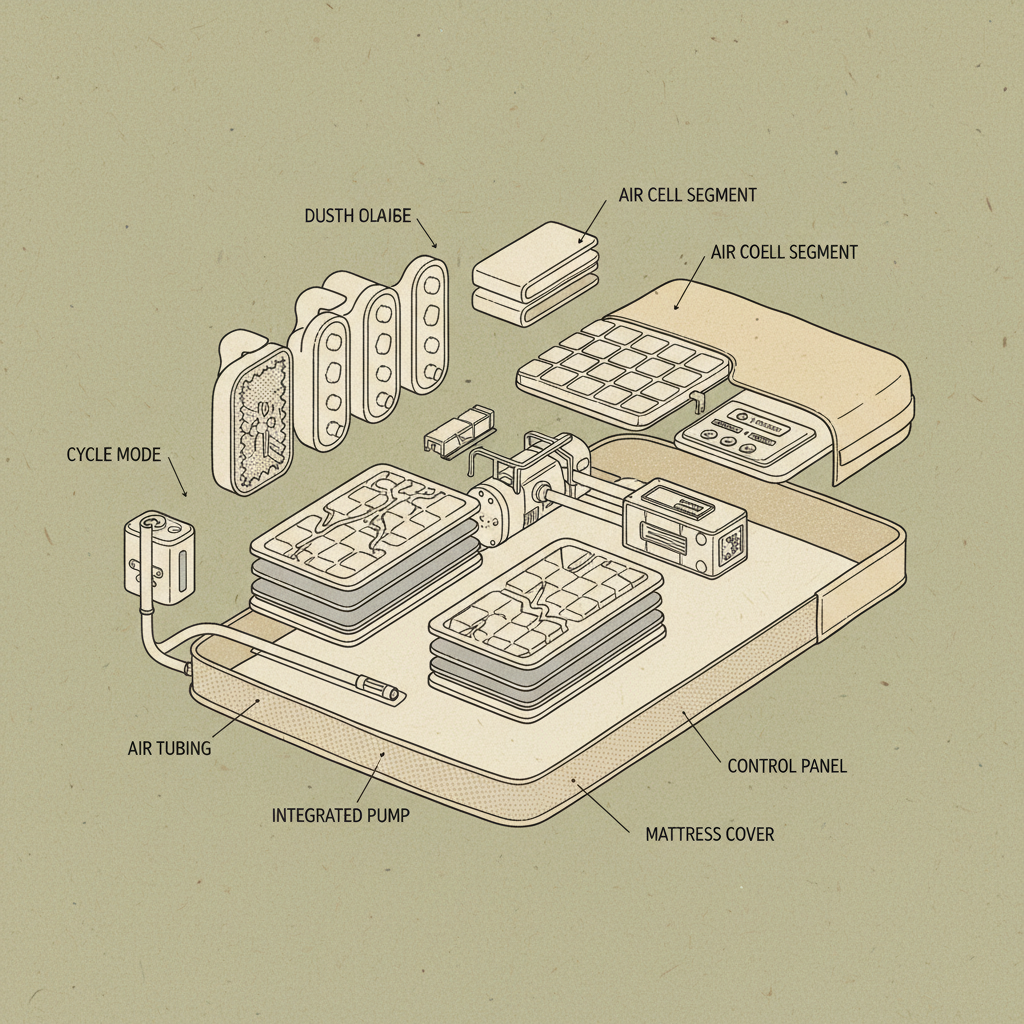
Inside, you’ve got the air cells. These can be individual pockets or interconnected chambers. Individual pockets give you more precise pressure mapping, but they're more prone to leaks. Interconnected chambers are more robust, but less adaptable. We've been leaning towards a hybrid approach – individual cells with a reinforced connection system. It’s a good compromise.
And then there’s the pump. That's where things can really go wrong. You need a quiet pump, a reliable pump, and a pump that can handle continuous use. I’ve seen too many pumps burn out after a few weeks. The ones we use have a brushless motor and a built-in overheat protection. It's a small detail, but it makes a big difference.
Testing and Real-World Performance
Lab tests are fine, but they don't tell the whole story. We do those, of course – pressure distribution tests, leak tests, durability tests. But the real test is putting these mattresses in actual hospital beds, with actual patients. That’s where you find out what really matters.
We partner with several hospitals to do field testing. We have nurses document their observations, and we collect data on pressure ulcer incidence. We also ask for feedback on usability – how easy is it to adjust the pressure, how comfortable is the mattress for patients, how easy is it to clean. Strangely, the biggest complaint we get is about the noise of the pump. Even a quiet pump can be annoying at 3 AM.
We also do what I call “abuse testing.” We deliberately try to break them. Punctures with sharp objects, extreme temperature changes, repeated inflation and deflation. You'd be surprised how much abuse these mattresses take. Later... forget it, I won’t mention the incident with the maintenance guy and the box cutter.
Practical Applications and User Feedback
These hospital bed air mattresses for sale aren’t just for hospitals, you know? We’re seeing them used in long-term care facilities, nursing homes, and even at home for patients recovering from surgery. The applications are pretty broad.
One thing I’ve noticed is that patients really appreciate the ability to adjust the firmness of the mattress. Some people like it soft, some people like it firm. It’s all about personal preference. We’ve added a simple control panel that allows patients to easily adjust the pressure. It’s a small thing, but it makes a big difference in their comfort.
And the nurses love the fact that they can quickly and easily reposition patients without causing them discomfort. That’s a huge benefit. It reduces the risk of skin breakdown and helps prevent pressure ulcers. Plus, it just makes their job a little bit easier.
Hospital Bed Air Mattress for Sale - Feature Importance
Advantages and Disadvantages
The biggest advantage, hands down, is pressure relief. These mattresses dramatically reduce the risk of pressure ulcers, which is a huge win for both patients and hospitals. They also improve patient comfort, which leads to faster recovery times.
But they’re not perfect. They can be expensive, and they require regular maintenance. You’ve got to check the pressure, make sure there are no leaks, and clean the surface regularly. It’s not a set-it-and-forget-it kind of thing. The pump can fail and is the first part to go, in my experience.
Customization Options
We offer a lot of customization options. Different sizes, different materials, different pump options. We can even add custom embroidery.
Last month, a small boss in Shenzhen who makes smart home devices insisted on changing the interface to Type-C. Said it was “more modern.” I tried to explain to him that it was a hospital setting, not a tech convention, and that most hospitals still use standard outlets. But he wouldn’t listen. Ended up costing him a fortune in custom adapters and delaying the shipment by a week. Anyway, I think sometimes people overthink things.
A Customer Story
I remember one case in particular, a small rural clinic in Montana. They were struggling with a high rate of pressure ulcers, and their budget was tight. They couldn’t afford a fancy pressure mapping system, but they needed something to help.
We worked with them to find a solution that fit their needs and their budget. We provided them with a batch of our standard air mattresses, along with training for their staff. Within a few months, they saw a significant reduction in pressure ulcer rates. It was a small victory, but it made a big difference to those patients and their caregivers.
It’s stories like that that make this job worthwhile. It's not about the fancy technology or the big profits. It’s about helping people.
Summary of Key Performance Indicators for Hospital Bed Air Mattresses
| Material Quality |
Pressure Relief Effectiveness |
Pump Reliability (MTBF) |
Overall Cost (per unit) |
| High (TPU, reinforced nylon) |
Excellent (9/10) |
5000+ hours |
$350 - $700 |
| Medium (PVC, standard nylon) |
Good (7/10) |
3000+ hours |
$200 - $400 |
| Low (vinyl, thin polyester) |
Fair (5/10) |
1000+ hours |
$100 - $200 |
| High (TPU, advanced polymers) |
Superior (10/10) |
7000+ hours |
$700 - $1200 |
| Medium (PU, reinforced weave) |
Very Good (8/10) |
4000+ hours |
$400 - $600 |
| Basic (PVC, standard weave) |
Acceptable (6/10) |
2000+ hours |
$150 - $300 |
FAQS
We recommend daily inspections, at least visually. More thorough inspections, involving soapy water to check for bubbles, should be done weekly. Leaks can compromise the pressure relief and make the mattress ineffective. Little pinhole leaks can be tough to find, but they’ll eventually make themselves known. Don't ignore a hissing sound!
That depends heavily on usage and quality, of course. A high-quality mattress with TPU material, used in a typical hospital setting, should last at least 3-5 years. Cheaper models, with PVC, might only last a year or two. Proper cleaning and maintenance are key to extending its lifespan. And honestly, the pump is usually the first thing to go.
Absolutely. In fact, they're designed for patients with limited mobility. The pressure relief helps prevent pressure ulcers, which are a major concern for those who can’t easily reposition themselves. However, it’s important to ensure the mattress is properly adjusted to the patient's weight and needs. And always follow hospital protocols for patient safety.
The TPU surface is generally very easy to clean. You can use mild soap and water, and most standard hospital-grade disinfectants. It's important to follow the manufacturer's instructions, though. And remember to disconnect the pump before cleaning! You don't want to get it wet.
Yes, most are designed to work seamlessly with adjustable beds. They're flexible enough to accommodate the bed's movements. However, it's always a good idea to double-check the mattress specifications and the bed's manual to ensure compatibility. You don’t want any pinching or kinking of the air lines.
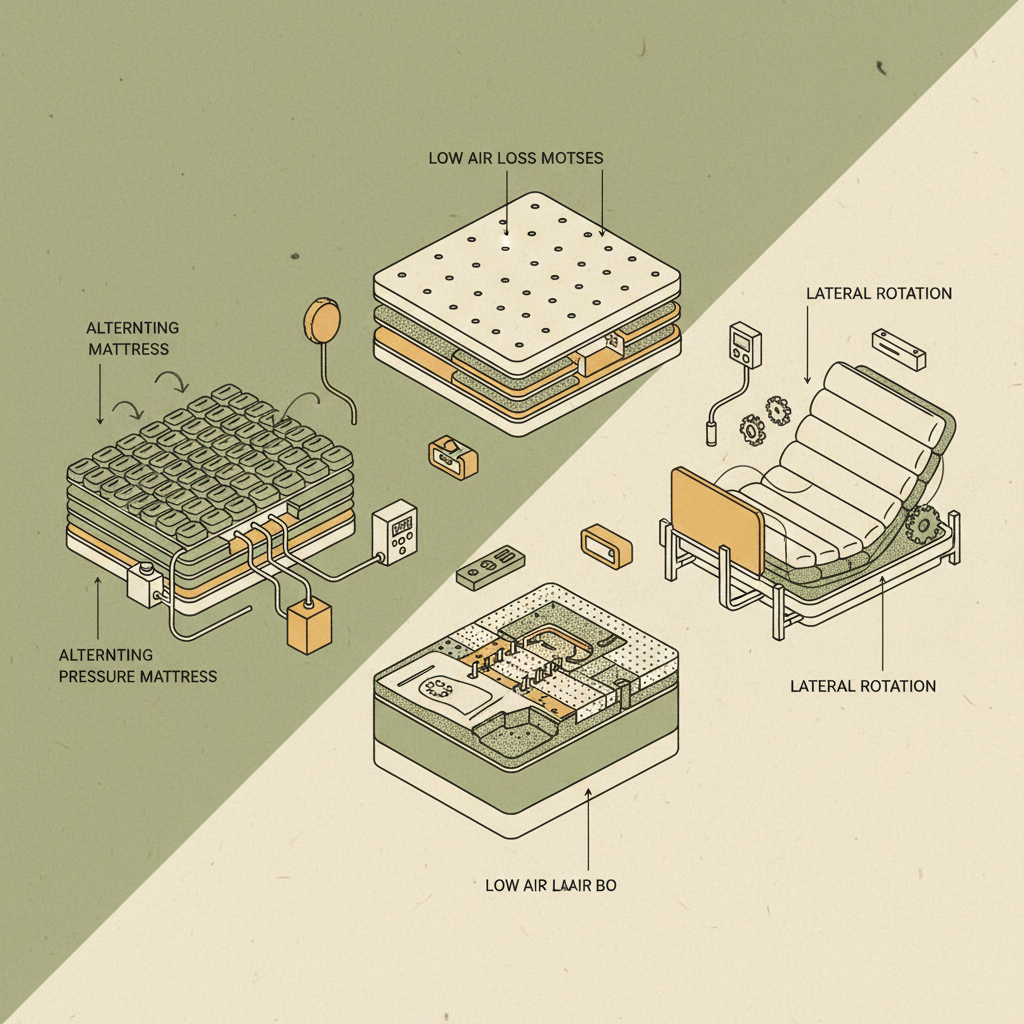
That’s a good question. Alternating pressure mattresses cycle through different air cells to redistribute pressure. Low air loss mattresses constantly release a small amount of air to keep the skin dry and cool. They're both good for pressure ulcer prevention, but low air loss is often preferred for patients who are heavily incontinent or have excessive moisture. It's all about the specific patient’s needs.
Conclusion
So, what does it all boil down to? Hospital bed air mattresses for sale are a crucial tool for improving patient comfort, preventing pressure ulcers, and easing the burden on healthcare professionals. They've come a long way in recent years, with advancements in materials, pump technology, and customization options. The key is to focus on quality, durability, and real-world performance, not just flashy features.
Ultimately, whether this thing works or not, the worker will know the moment he tightens the screw. It’s about building something reliable, something that can withstand the rigors of a hospital environment, and something that truly makes a difference in people’s lives. If you're looking for a reliable solution, visit our website at www.chuangenmedical.com.